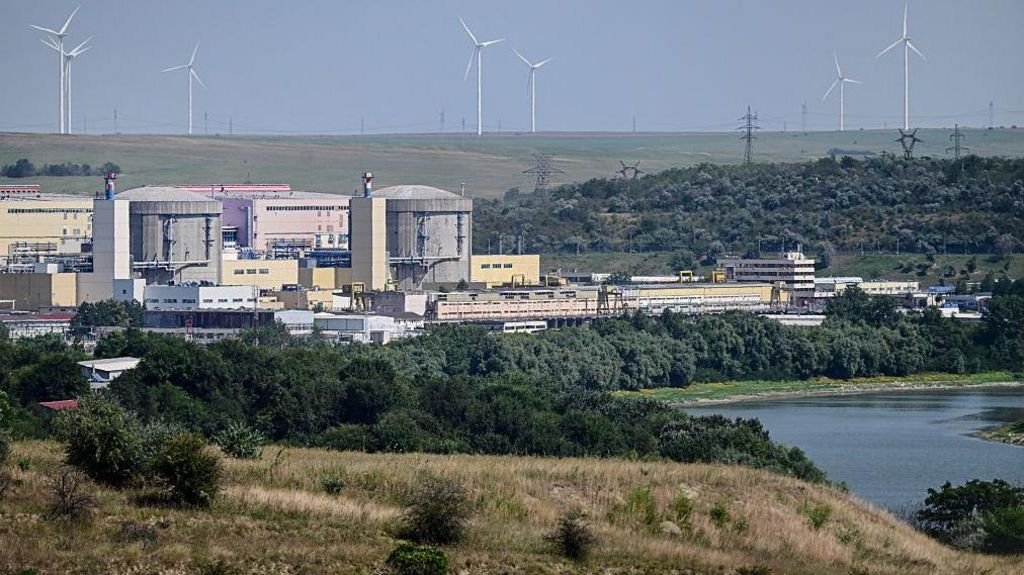
Romania has shut down the Cernavodă nuclear power plant, its only nuclear facility, due to extremely low water levels in the Danube River. The shutdown was necessitated by prolonged hot weather affecting much of Europe, which has reduced the river water available to cool the plant's reactors.
The facility's second 706-megawatt reactor was disconnected from the national electricity grid just before midday on Thursday. This followed the shutdown of the first reactor in July. Plant director Romeo Urjan stated that a restart is not expected within the next 10 days. The event marks only the second time the plant has been fully shut down since it began operations, with the previous instance occurring in 2003.
To maintain river levels earlier this week, authorities attempted to increase water flow by sinking rock-loaded barges in the Danube. Despite these efforts, water levels across several countries have reached 30-year lows. In neighboring Hungary, the Paks nuclear plant remains operational, though Prime Minister Péter Magyar previously warned that low water levels could eventually force a shutdown there as well because suction nozzles struggle to reach the receding water.
The environmental conditions affecting the plant also impact other energy sectors and the broader economy. Romania’s hydropower capacity has been significantly reduced by the same drought conditions. Across Europe, low water levels in major arteries like the Rhine are restricting commercial traffic, while agricultural associations in Italy and France estimate climate-related damages between €3 billion and €15 billion. The Dutch bank Triodos suggested these conditions could reduce projected economic growth for the European Union, which was previously forecast at 1.1%.
For Romanian households and businesses, the immediate change involves a shift in the source of their electricity and a temporary reliance on foreign energy markets. The duration of this shift depends on weather patterns, as the plant director indicated no restart for at least 10 days from August 13. Future policy may be influenced by data from the Copernicus climate service, which reports that Europe is warming twice as fast as the global average, leading to more frequent summer heatwaves and increased pressure on water resources used for industrial cooling.