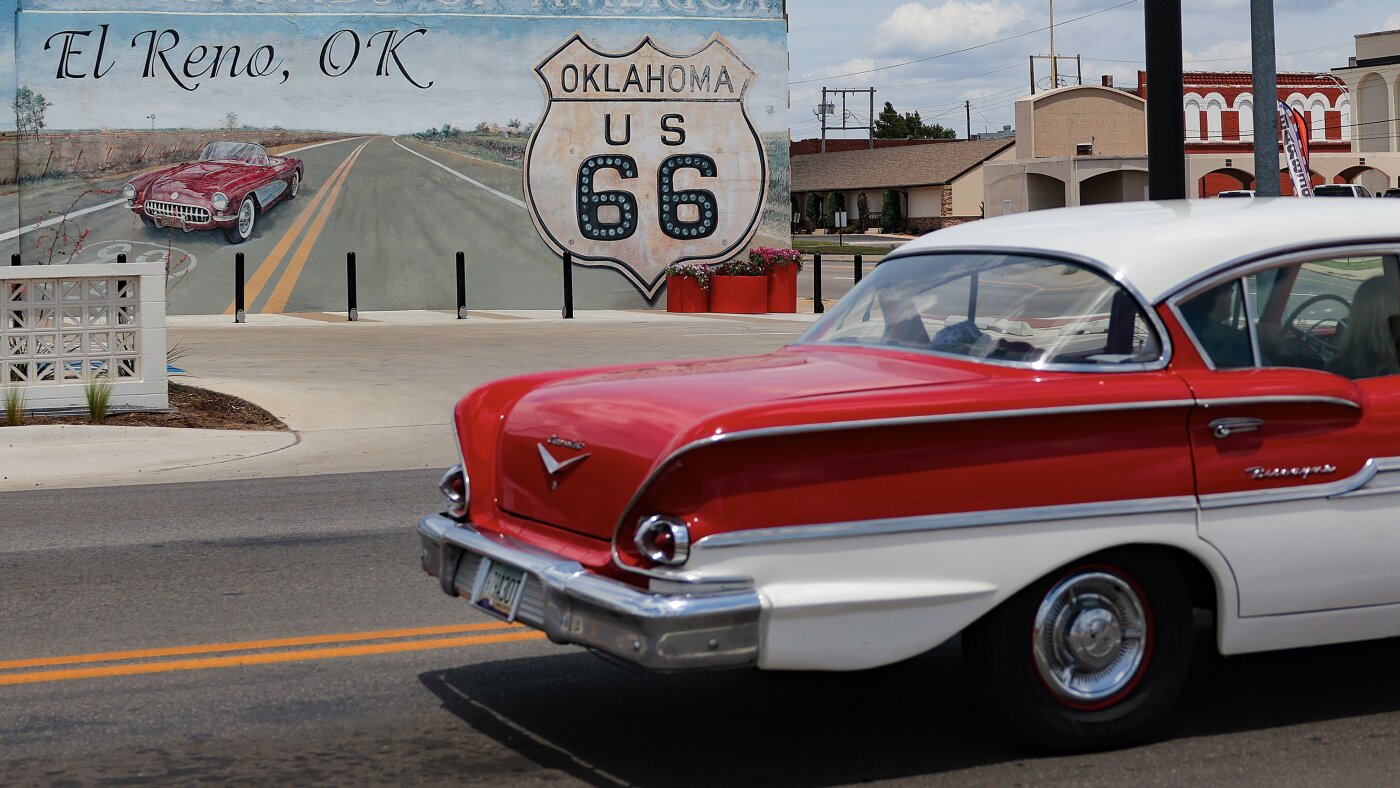
Route 66 reached its 100th anniversary in 2026, marking a century since its designation as a primary east-west artery in the United States. Originally established in 1926, the highway spans approximately 2,400 miles, connecting Chicago to Santa Monica. Historians and authors, including Susan Croce Kelly, noted that the road's development was driven by early 20th-century advocacy from bicyclists and specific highway commissioners who sought a paved, transcontinental route for motor vehicles.
Prior to its federal designation, much of the path consisted of unpaved and disconnected roads. The transition to a paved national highway was intended to facilitate interstate commerce and travel, eventually earning the route the nickname "Main Street of America." The road became a significant corridor for migration during the Dust Bowl and a central component of the American tourism industry during the mid-20th century.
While the original highway was decommissioned from the United States Highway System in 1985 after being bypassed by the Interstate Highway System, segments of the road remain preserved as National Scenic Byways. Today, these sections are maintained through various state historical initiatives and private organizations dedicated to the preservation of the route's infrastructure and history.