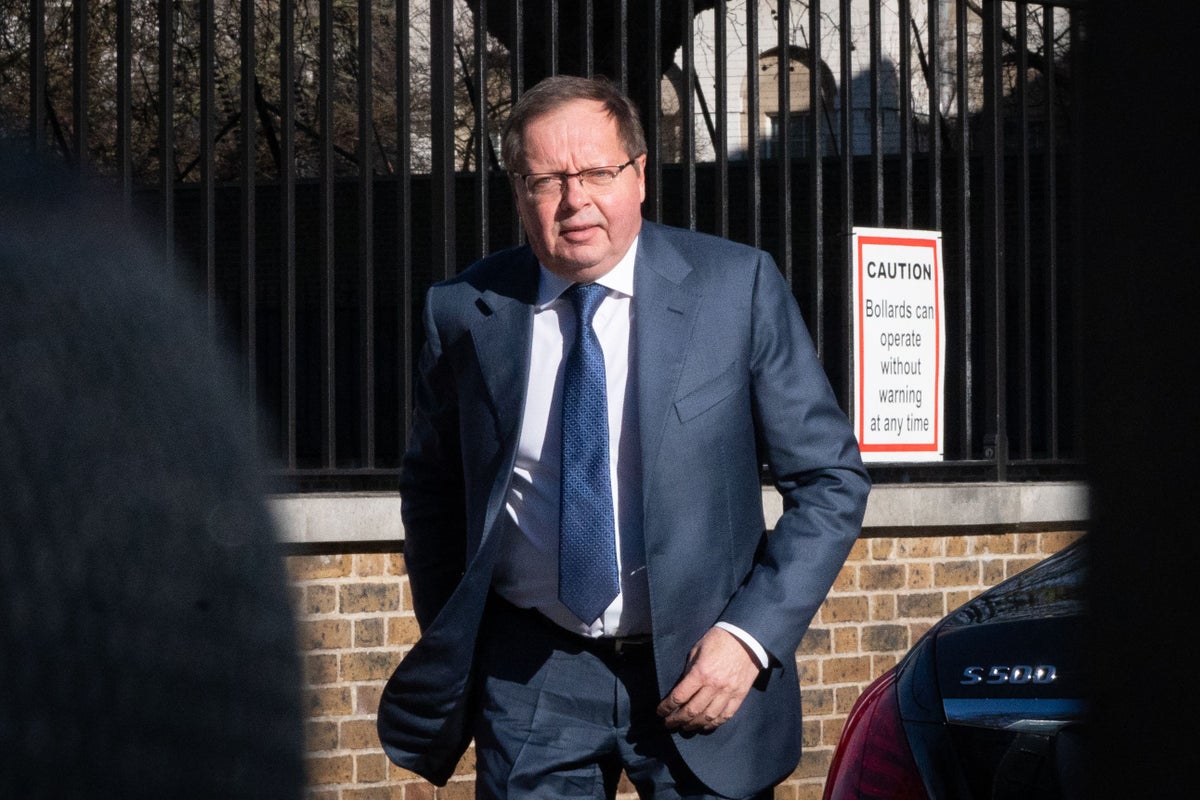
Russia has withdrawn its ambassador to the United Kingdom, Andrey Kelin, who departed the country on July 21 after serving in the post for more than seven years. The Russian embassy in London confirmed that the mission is currently headed by a chargé d’affaires, a diplomat who serves as a temporary substitute for an ambassador.
The departure occurred amid a decline in diplomatic relations between the two nations related to the conflict in Ukraine. While the Russian embassy stated it does not intend to formally downgrade ties, it attributed the "unprecedentedly low level" of relations to the UK government's policies. A spokesperson for the embassy stated that Kelin had attempted to maintain communication channels but accused the UK of choosing a "path of confrontation."
The UK Foreign, Commonwealth and Development Office responded by stating that the appointment of an ambassador is a matter for the Russian Ministry of Foreign Affairs. British officials confirmed that the UK maintains its own ambassador and embassy in Moscow to engage with the Russian government. Prime Minister Andy Burnham stated that the UK remains committed to supporting Ukraine's defense, characterizing the Russian government's actions in Ukraine as an "illegal war."
Recent friction between the two countries has also centered on military technology. The Russian embassy claimed that the reported use of UK-manufactured drones by Ukrainian forces indicated a deliberate escalation by London. The embassy warned that British involvement would carry "consequences," while Prime Minister Burnham stated that the UK would not be deterred by such threats and would continue its current level of support for Ukraine.
On a broader scale, this development reflects the shifting geopolitical environment for the UK’s 67 million residents. The exchange of rhetoric regarding UK-made drones and the warning of "consequences" suggests a heightened risk of retaliatory measures, which could manifest as further trade restrictions, cyberactivity, or increased military posturing. In practical terms, British taxpayers may see the impact through continued or increased military spending, as Prime Minister Burnham confirmed the government will not change its policy of providing 100 percent support to Ukraine’s defense efforts.
The situation sets a precedent for how diplomatic missions may function during prolonged proxy tensions. The Russian embassy has not yet submitted a new candidate to the Foreign Office, and there is no reported timeline for when a replacement might be named. The next steps depend on whether Moscow proposes a new envoy and if the UK government accepts the credentials of that individual. For now, formal relations remain at a functional minimum while both sides maintain their respective positions on the conflict in Ukraine.