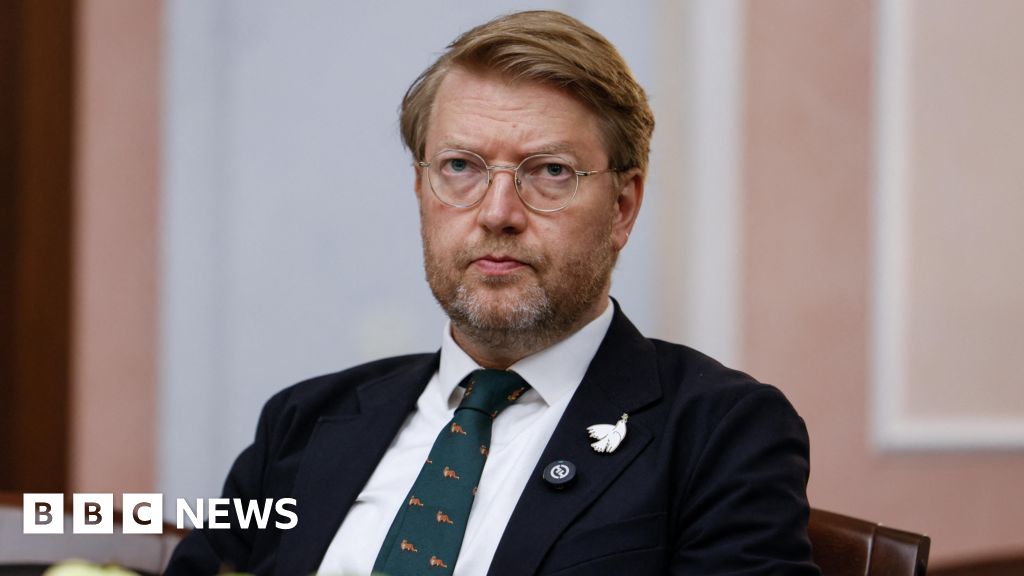
A Moscow court ruled Monday to bar the Yabloko party from participating in next month's parliamentary elections. Yabloko was the only registered political party in Russia to officially oppose the war in Ukraine. The ruling followed an eight-hour hearing attended by party chairman Nikolai Rybakov and marked by a public gathering of hundreds of supporters outside the courthouse.
The lawsuit against Yabloko was initiated by Rodina, a pro-Kremlin nationalist party. Rodina alleged that Yabloko supported an extremist organization by publishing website materials related to the "international LGBT movement," which the Russian Supreme Court designated as extremist in 2023. Additionally, Rodina accused the party of copyright infringement regarding the use of Soviet-era song lyrics in an interview.
During the proceedings, Russia’s financial monitoring service alleged that Yabloko received funds from foreign nations, including the United States and Germany, through third-party intermediaries. These legal challenges followed a late-July decision by the Central Electoral Commission to approve Yabloko's candidate list. However, several party members had already been disqualified, including deputy leader Maxim Kruglov, who was sentenced to seven years in prison in June for social media posts regarding civilian casualties in Ukraine.
The scale of this exclusion is reflected in recent polling and historical data. While Yabloko received only 1.34% of the vote in 2021 and has not held Duma seats since 2003, the source notes that its support was surging prior to this ruling. For the average Russian citizen, this decision means the removal of a specific set of policy alternatives regarding inflation, internet blackouts, and military engagement. The source suggests this could lead to lower voter turnout, as citizens who oppose the current administration may no longer feel motivated to participate in the election process.
Furthermore, this ruling sets a precedent for how existing extremism and censorship laws are applied to political organizations. By linking the party to "extremist" designations and foreign funding allegations, the court has effectively neutralized a long-standing opposition voice that had historically opposed conflicts in Chechnya and Crimea. The next phase of this process will be the parliamentary elections scheduled for next month, which will proceed without Yabloko’s participation unless the ruling is overturned. The specific date for any potential appeal was not reported.