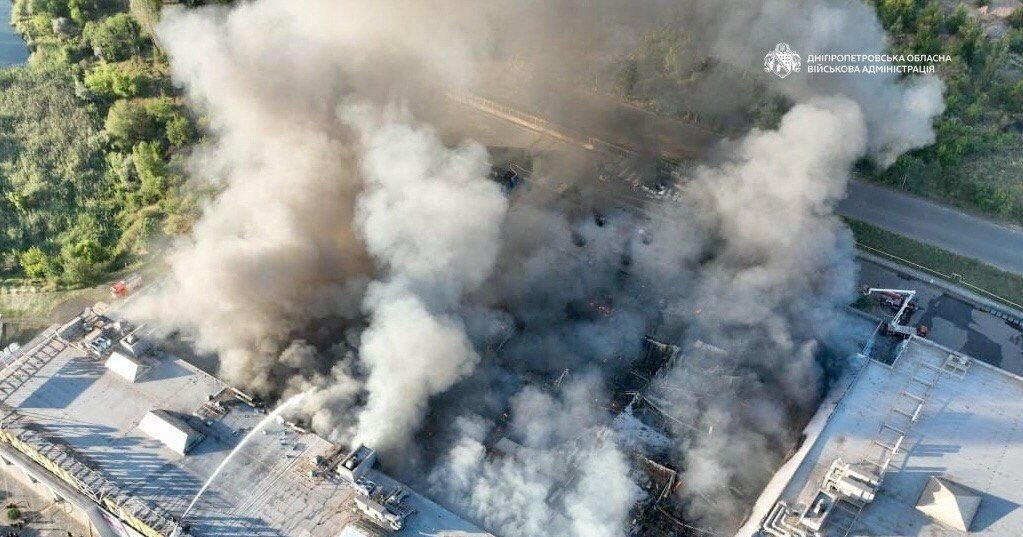
Russian drone strikes targeted a shopping mall in Kryvyi Rih on Friday, killing at least 15 people and injuring 130 others. Ukrainian President Volodymyr Zelenskyy, who is from the city, reported that the attack utilized a "double-tap" tactic, where an initial wave of drones was followed by a second wave that struck while rescue workers were responding to the scene. Among the injured in Kryvyi Rih were 23 children, according to Oleksandr Hanzha, head of the Dnipropetrovsk regional military administration.
The strike in Kryvyi Rih was part of a series of aerial attacks across Ukraine on Friday that resulted in a total of 21 deaths. In the Kharkiv region, a drone attack killed two women, while a separate strike in the Mykolaiv region killed four people, including three children. Ukraine's air force reported that it shot down or suppressed 107 of the 135 drones launched by Russia overnight. These events followed a large-scale attack on Kyiv 24 hours earlier that killed 16 people.
In a reciprocal action, Ukrainian drones targeted sites inside Russian territory. President Zelenskyy stated that Ukrainian strikes hit a Lukoil-operated oil refinery in Perm, located approximately 995 miles from the border, and the Marinovka military airfield in the Volgograd region. Russian officials reported that a drone strike in the Belgorod region killed one person and wounded four others. The Russian Defense Ministry claimed its air defenses intercepted a total of 536 Ukrainian drones over 15 regions and Crimea throughout the day.
The scale of these aerial operations involves hundreds of unmanned aerial vehicles and significant casualties on a weekly basis. In July alone, the United Nations reported that at least 54 civilians were killed and 202 injured in Kyiv. The ongoing shortage of U.S.-made Patriot air defense interceptors—the only system in Ukraine's inventory capable of stopping ballistic missiles—means residents in major cities remain vulnerable to intensified Russian missile campaigns. Conversely, the expansion of Ukrainian drone range to nearly 1,000 miles brings industrial hubs like the Perm oil refinery into the conflict's reach, potentially affecting Russian energy production and local infrastructure.
These strikes set a precedent for a war increasingly defined by remote technology rather than territorial gains. Military analysts note that large numbers of drones and ground robots have restricted troop movements along the 780-mile front line, leading both nations to prioritize long-range strikes to pressure the opposing side. While Ukrainian officials aim to use these strikes to force Russia into peace negotiations, there is currently no indication of a pause in hostilities. Residents in both countries can expect continued alerts and potential disruptions to utilities or commerce as both sides target industrial and urban centers. No specific dates for future negotiations or ceasefires have been reported.