Health officials in Rwanda are encouraging citizens to reduce their daily milk intake as urban lifestyle changes contribute to an increase in chronic illnesses. Dr. Sabin Nsanzimana, Rwanda’s health minister, stated that while milk provides essential nutrients like protein and calcium, excessive consumption is linked to obesity and cardiovascular disease. The government is advising a shift toward drinking more water and limiting milk to approximately one cup per day.
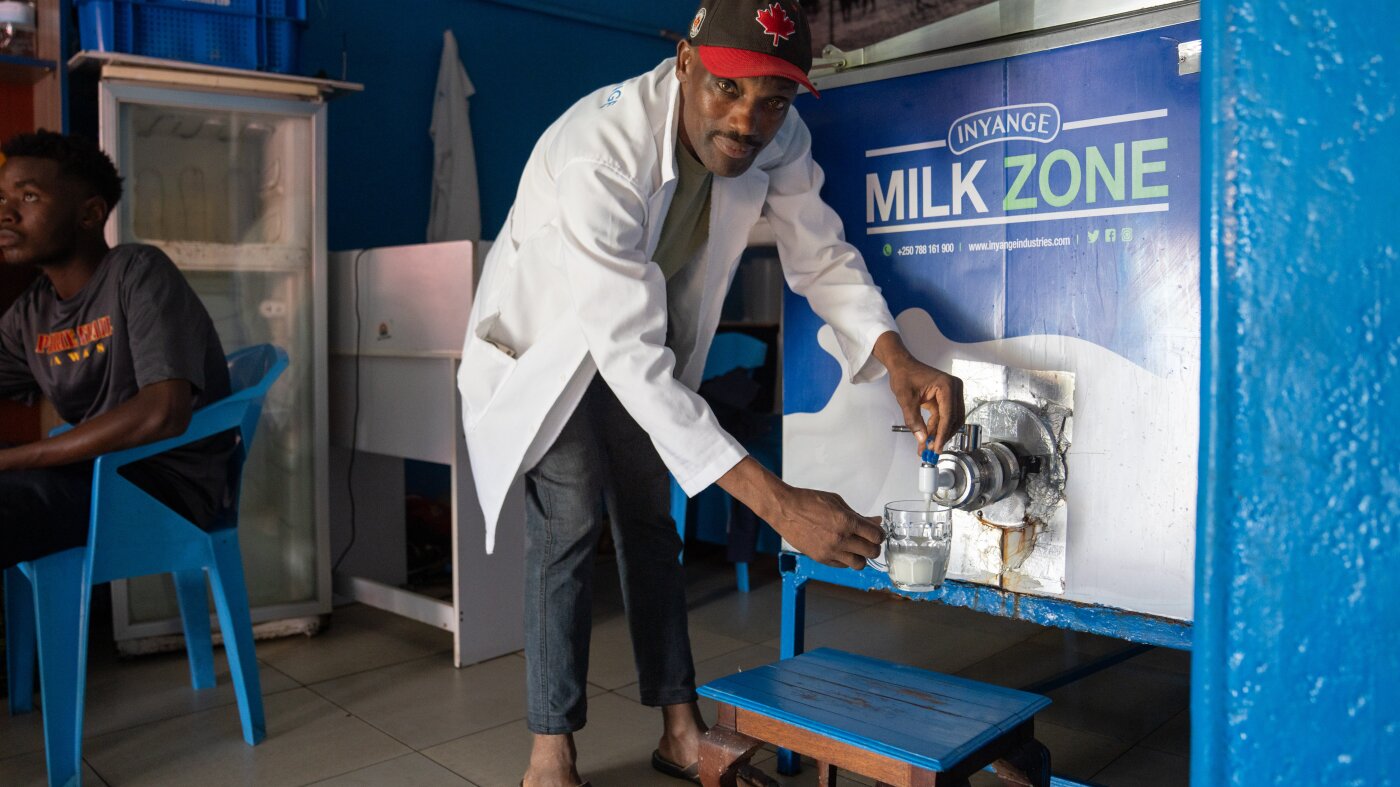
Milk bars have become a central part of daily life in the capital city of Kigali, serving as a primary source of fresh dairy for residents who moved from rural areas. In Rwandan culture, cows are viewed as symbols of prosperity and sustenance, and the act of drinking milk is treated with respect. Business owners like Moses Sansiman, who has operated a milk bar for five years, report high demand for fresh, pasteurized whole milk served in large glass mugs.
Some residents, such as JP Sagahutu, report drinking approximately four 8-ounce glasses of milk per day, totaling 32 ounces. Customers at local milk bars often express a preference for fresh milk over bottled options, coffee, or tea, citing its perceived nutritional value. Nsanzimana noted that communicating the risks of overconsumption is difficult because of the deep-seated cultural belief that milk is a primary health requirement.
Individual Rwandans would notice a change in their daily routines and dietary costs if they substituted milk—a culturally significant beverage—with water. The health ministry warned that the current rate of consumption is contributing to an increase in hospital visits for preventable chronic diseases. By urging this change now, officials aim to lower the national rates of obesity and heart disease, which studies have linked to high dairy intake and increased mortality.
The knock-on effects could influence the local agricultural economy and the viability of specialized milk bars like the "Milk Zone" shops found throughout the capital. If public behavior aligns with the health minister’s recommendations, the demand for fresh milk could decrease, impacting the livelihoods of rural cattle owners and urban shopkeepers. Dr. Nsanzimana acknowledged that the transition is currently a "difficult shift in communication" within the country, and no specific dates for formal new regulations or enforcement measures were reported.