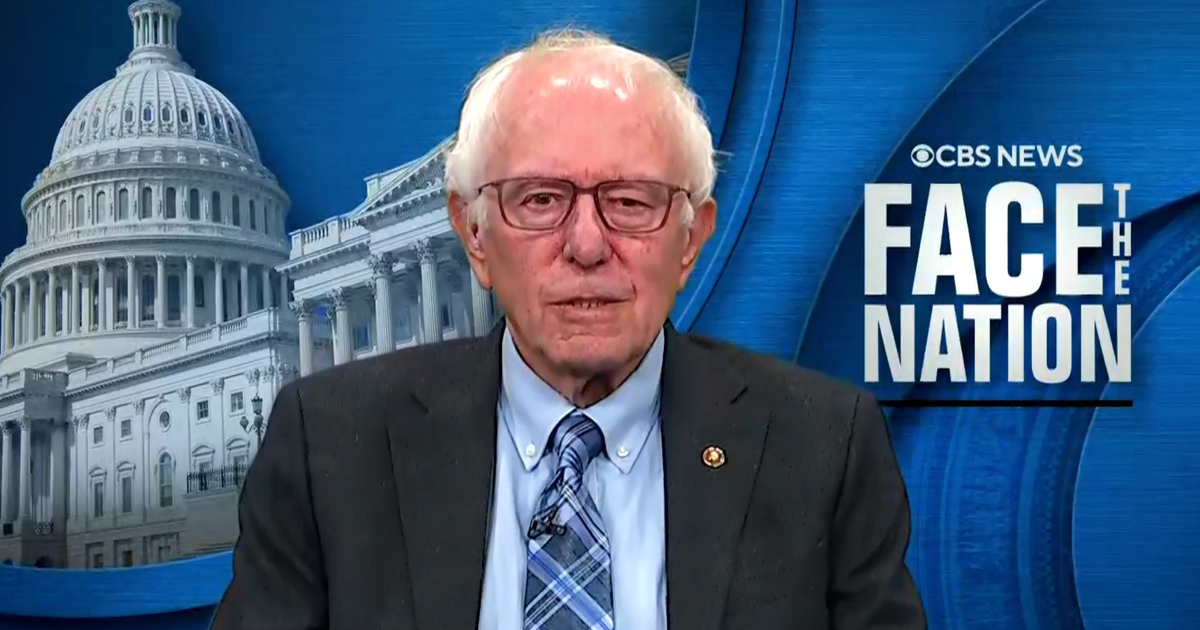
Sen. Bernie Sanders (I-VT) addressed upcoming midterm elections and intraparty divisions during an interview on "Face the Nation" that aired on November 1, 2026. Sanders defended Michigan Senate candidate Abdul El-Sayed against criticisms from within the Democratic Party and from Republican opponents, while also discussing electoral tactics in Alaska and Ohio. The interview took place as voters prepared to go to the polls.
The discussion followed a weekend where Sanders hosted telerallies and town halls for candidates in Maine, Michigan, Florida, and Minnesota. In Michigan, the Democratic primary has left some friction; former Rep. Haley Stevens, who lost the primary to El-Sayed, has expressed misgivings about backing him, citing concerns over ads and his views on Israel. Sanders stated that while Stevens lost a close race, he believed Michigan voters would stand with El-Sayed to oppose Republican candidate Mike Rogers.
Sanders also addressed rhetoric from Republican figures regarding El-Sayed, who would be the first sitting Muslim member of the U.S. Senate if elected. Sen. Ted Cruz (R-TX) and Donald Trump have accused El-Sayed of ties to the Muslim Brotherhood. El-Sayed has disavowed these claims. Sanders characterized these accusations as "racism," criticizing rhetoric and ads that labeled the candidate, a medical doctor, a "terrorist" and a "jihadist."
The interview further covered disputes over election integrity in Alaska and Ohio. In Alaska, Margaret Brennan noted the Justice Department has indicated it may challenge the certification of the U.S. Senate race involving Rep. Mary Peltola. Sen. Tim Sheehy (R-MT) has alleged "fraud" in the state, while Peltola has denied knowledge of a reported Democratic effort to influence the ballot. Sanders described the tactics in Alaska as "dumb" but not illegal, comparing them to a Republican Super PAC in Ohio funding a socialist candidate to potentially draw votes away from Sen. Sherrod Brown (D-OH).
The disputes over election tactics in Alaska and Ohio affect candidates in the next Congress. In Alaska, a potential challenge by the Justice Department could affect the seating of a representative. In Ohio, the use of Super PAC funds to support third-party candidates could impact the reelection bid of Sen. Sherrod Brown.
Sanders stated he does not believe the federal government should intervene in state-level elections. The next Congress will convene following the certification of results across all 50 states. Candidates like El-Sayed and Rogers, as well as incumbents like Peltola and Brown, await the final tally from voters to determine their roles in the upcoming legislative session.