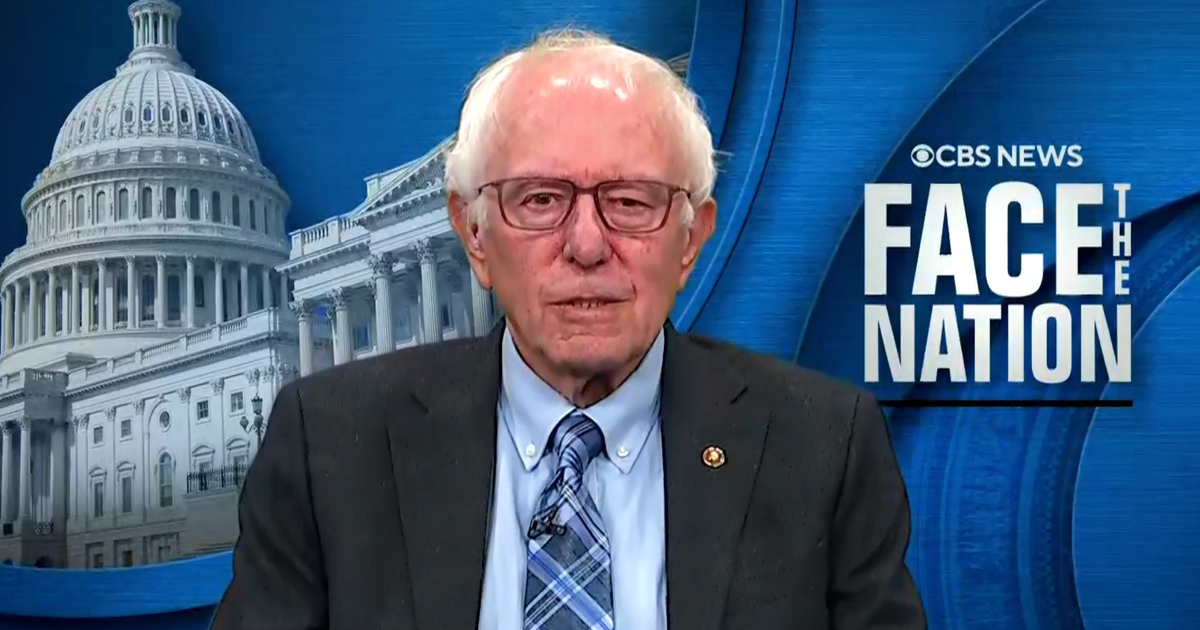
Sen. Bernie Sanders (I-VT) criticized Republican rhetoric in the Michigan Senate race on Sunday, November 1, 2026, describing attacks on Democratic candidate Abdul El-Sayed's religion and ethnicity as "overt absolute racism." Sanders, appearing on "Face the Nation," cited comments from Donald Trump, Sen. Ted Cruz (R-TX), and Sen. JD Vance (R-OH) regarding El-Sayed, who is a medical doctor and seeking to become the first Muslim U.S. senator.
The dispute follows a series of advertisements and statements from Republican surrogates that Sanders characterized as "fearmongering." Republicans have alleged that El-Sayed is a supporter of the Muslim Brotherhood, a group the Trump administration designated in part as a terrorist organization earlier this year. El-Sayed has denied any connection to the group and condemned the characterizations, while Republican surrogates have suggested his election could be dangerous for Americans.
The Democratic ticket in Michigan has also seen internal friction. Rep. Haley Stevens, who lost to El-Sayed in a primary three months ago, called on him last week to condemn an outside group's advertisement that linked U.S. military aid for Israel to grocery prices. Stevens described the ad as antisemitic, while El-Sayed stated the ad "was not made by me" and that he disagreed with its contents. Shortly after Sanders' interview on Sunday, Stevens publicly endorsed El-Sayed's Republican opponent, Mike Rogers.
For voters, the immediate change is the nature of the information appearing in their media. Sanders reported seeing advertisements calling a medical professional a "terrorist" and a "jihadist," while Stevens cited "hate" as her reason for crossing party lines to support Rogers. These developments occurred on November 1, 2026, in the final days before the midterm vote.
The rhetoric and shifting endorsements reflect how religious identity and foreign policy disagreements regarding Israel are being litigated in the contest. While Sanders argued that criticizing the Israeli government is not antisemitism, Stevens indicated that the tone of the Democratic nominee was the reason she "does not belong" in the campaign. The final decision rests with Michigan voters at the polls on Election Day; however, the source did not provide the specific date for the upcoming Tuesday election.
In response to the endorsement, El-Sayed stated on Sunday that he is focused on the people of Michigan rather than the disagreement with Stevens. Mike Rogers, the Republican nominee, has not yet commented on the specific labels used by surrogates, but his campaign now carries the public backing of a sitting Democratic Representative. Candidates will continue campaigning through the weekend preceding the midterms.