The Plain Record

Neutral daily news — clear headlines, complete facts.

Supreme Court

Sandy Hook Parents and U.S. Government File Briefs in AR-15 Ban Cases

Parents of Sandy Hook victims and the U.S. Solicitor General filed amicus briefs in Supreme Court cases regarding state and local bans on AR-15 rifles.

Published October 29, 2026 at 9:00 AM EDT

The short answer

Parents of Sandy Hook victims and the U.S. Solicitor General filed amicus briefs in Supreme Court cases regarding state and local bans on AR-15 rifles.

Sandy Hook Parents and U.S. Government File Briefs in AR-15 Ban Cases

The Facts

Who
Parents of Sandy Hook victims, U.S. Solicitor General D. John Sauer, and the U.S. Department of Justice.
What
filing of amicus curiae briefs in Supreme Court cases challenging semiautomatic rifle bans.
When
Wednesday, October 28, 2026
Where
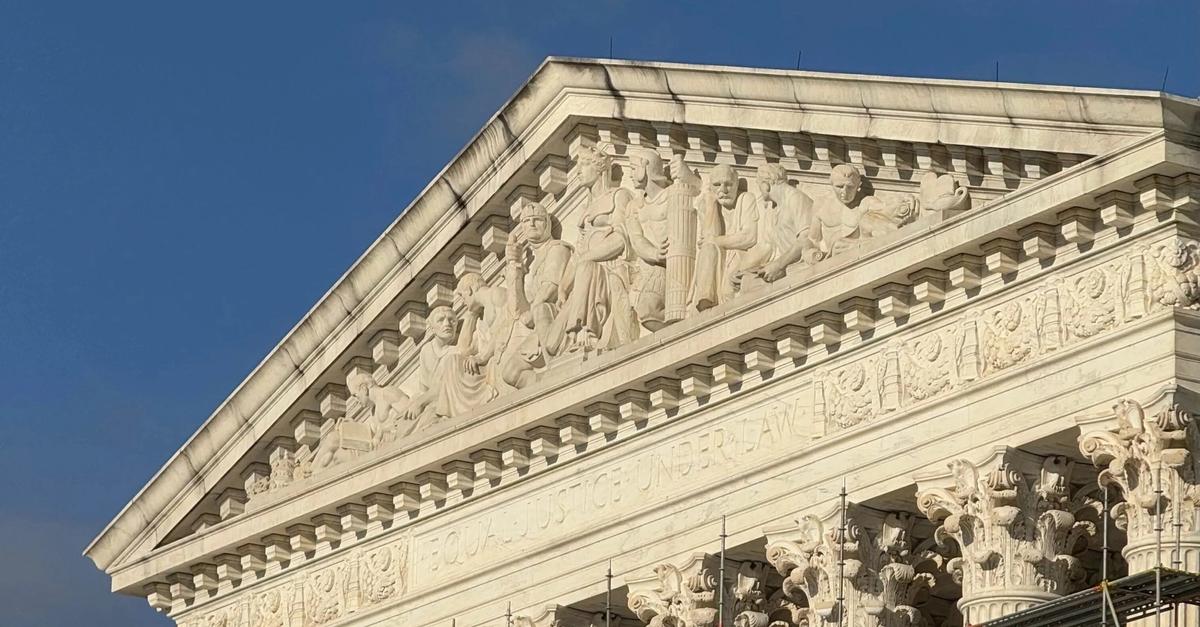
United States Supreme Court, Washington, D.C.
Why
To provide the Supreme Court with arguments regarding whether categorical bans on AR-15 rifles infringe upon the Second Amendment.

Parents of children killed in the 2012 mass shooting at Sandy Hook Elementary School filed a brief with the Supreme Court on Wednesday, Oct. 28, 2026. The group urged the justices to uphold bans on semiautomatic rifles, such as the AR-15, which they have advocated for since the shooting in Newtown, Connecticut. The filing comes as the court prepares to review two specific cases challenging local and state restrictions on such firearms.

The cases, Viramontes v. Cook County and Grant v. Higgins, involve challenges to bans enacted in Cook County, Illinois, and the state of Connecticut. The United States government, represented by Solicitor General D. John Sauer, filed an amicus curiae brief supporting the petitioners who are challenging the bans. The government argues that AR-15 rifles are "arms" protected by the Second Amendment and are in "common use" for lawful purposes.

In its brief, the Department of Justice stated that the AR-15 is "the most popular rifle in the country." The government contends that historical precedent and Supreme Court rulings, including District of Columbia v. Heller, foreclose categorical bans on firearms that are widely owned by law-abiding citizens. The brief cites the 2026 National Firearms Survey, which reports that millions of Americans own these rifles for activities such as self-defense and hunting.

The Supreme Court will also consider other matters during this term, including a request from the Trump administration on Oct. 21, 2026, to resume border wall construction in the Big Bend region of Texas. Responses to that application are due by 4 p.m. EDT on Thursday, Oct. 29, 2026. Regarding the firearm cases, the court has granted writs of certiorari to the Seventh and Second Circuits. A final decision date has not been reported.

Timeline of what happened

Key dates and decisions, in the order they occurred.

  1. December 14, 2012

    Mass shooting at Sandy Hook Elementary School occurs

  2. September 4, 2026

    U.S. Solicitor General files brief supporting petitioners challenging bans

  3. October 21, 2026

    Trump administration asks court to resume border wall construction in Texas

  4. October 28, 2026

    Sandy Hook parents file amicus brief urging court to uphold firearm bans

  5. October 29, 2026

    Deadline for responses to border wall construction application

Summaries are written by The Plain Record to state the facts of a story plainly and without political slant. Drafted with AI assistance and checked against the source record before publication. See how we report, or report a correction.

← Back to the front page

Questions readers ask

What happened: Sandy Hook Parents and U.S. Government File Briefs in AR-15 Ban Cases?

filing of amicus curiae briefs in Supreme Court cases challenging semiautomatic rifle bans.

Who is involved?

Parents of Sandy Hook victims, U.S. Solicitor General D. John Sauer, and the U.S. Department of Justice.

When did this happen?

Wednesday, October 28, 2026

Where did this happen?

United States Supreme Court, Washington, D.C.

Why does this matter?

To provide the Supreme Court with arguments regarding whether categorical bans on AR-15 rifles infringe upon the Second Amendment.