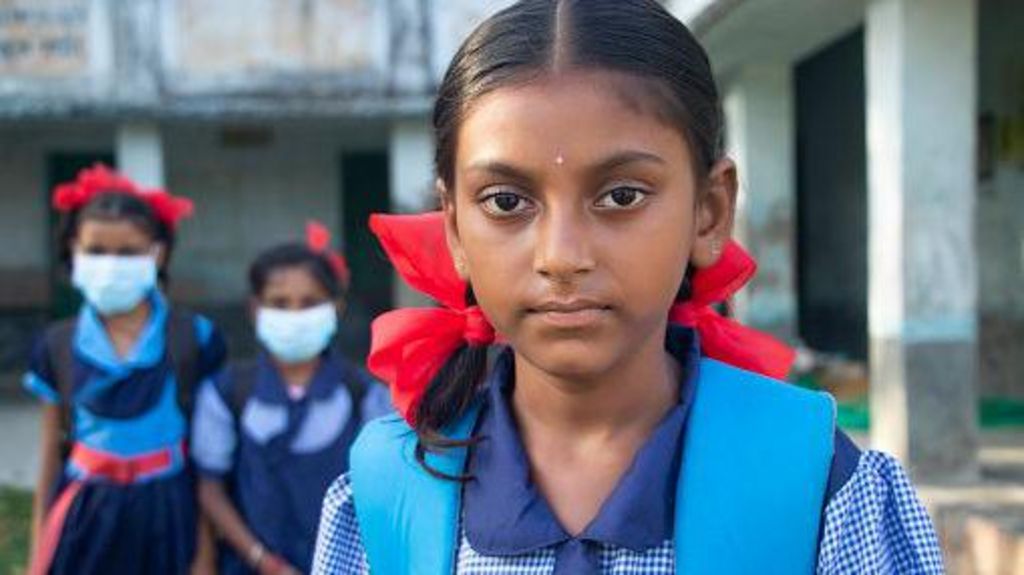
The Cockroach Janta Party (CJP), an online satirical movement in India, has launched a campaign titled #SchoolThikKaro (#FixTheSchool) to address infrastructure issues in government-run schools. The campaign utilizes social media to highlight reports of leaking roofs, unusable toilets, and classroom shortages, particularly in rural areas. CJP founder Abhijeet Dipke stated that the movement seeks to ensure rural children receive the same quality of facilities and opportunities as those in large cities.
The campaign follows recent domestic unrest regarding the Indian education system. In May, protests broke out after the National Eligibility cum Entrance Test (NEET), a major medical entrance exam, was canceled due to a question paper leak. The ensuing demonstrations in Delhi led to the resignation of Education Minister Dharmendra Pradhan last month. CJP leaders and supporters are now shifting their focus toward broader systemic issues, including school safety and resource allocation.
Official data shows that 94,000 government schools in India closed between the 2014-15 and 2024-25 academic years. According to a report by the government think-tank Niti Aayog, while some schools were merged to streamline the system, enrolment has declined as demand for private education increases. India currently spends 4.1% of its Gross Domestic Product (GDP) on education, which meets the minimum UNESCO threshold but falls below the 6% target recommended by the National Education Policy (NEP).
In Faridabad, social worker Satpal Narwat reported that one primary school for girls abandoned four of its nine classrooms because they were unsafe. Additionally, teachers have cited staff shortages as a critical issue. Chatar Singh, treasurer of a primary teachers' association in Haryana, noted that many teachers are frequently reassigned to non-teaching duties, such as conducting the census or revising voter lists. The government of Prime Minister Narendra Modi and the Ministry of Education have not yet issued a formal response to the CJP’s latest campaign.
For the average household, these issues manifest as a choice between a free but deteriorating public school or a private school that charges fees for better facilities. In instances reported by social workers, school buildings have remained in disrepair for years despite petitions to officials. The CJP’s use of social media, where they have 26 million followers, allows students to bypass traditional bureaucratic channels by posting viral videos of infrastructure failures. These "localised mutinies" have already resulted in concrete changes in some areas, such as the repair of a road in Raigad after a video of schoolgirls mocking its condition gained public attention.
The campaign sets a precedent for how digital activism may influence future education policy and government accountability in India. By documenting specific failures—such as toilets that have not been cleaned due to a lack of permanent staff—the movement pressures the administration to address the 1.9% GDP gap between current spending and the NEP’s 6% goal. While the protests in Delhi resulted in a high-level resignation, the long-term impact will depend on whether the government allocates more funding to rural infrastructure. No specific dates for new legislation or budget increases have been announced following the campaign's launch.