Saudi Arabia accused Yemen-based Houthi rebels of attempting a drone attack on Mecca, a city the kingdom has designated a "red line." Saudi officials reported that they intercepted and destroyed a drone before it entered the airspace of the city, which is approximately 1,100 kilometers (680 miles) from the Yemeni border. The Houthi rebels denied responsibility for the attempted strike.
The accusation comes as Saudi Arabia faces infrastructure challenges, including the reported weeks-long shutdown of a major oil pipeline and Houthi attacks on shipping in the Red Sea. Regional tensions remain high as Iran continues to target ships in the Strait of Hormuz, contributing to oil prices staying above $100 per barrel.
While several nations and organizations, including the Organization of Islamic Cooperation and Pakistani Prime Minister Shehbaz Sharif, condemned the reported attack, there has been no immediate commitment of military support. Officials from Turkey and Pakistan told The Associated Press that Saudi Arabia has not yet requested assistance under a recently formed defense pact. A Turkish official noted that the alliance must be "institutionalized" before it can become operational.
The United States has indicated it does not intend to enter the conflict at this time. President Donald Trump stated that the Houthis have indicated they do not want to fight with the U.S., focusing their efforts on Saudi Arabia instead. Vice President J.D. Vance confirmed the administration is in "constant contact" with Saudi officials and has engaged in direct conversations with Houthi representatives to monitor the situation.
In a separate claim on Wednesday, Houthi military spokesperson Brig. Gen. Yahya Saree stated the group shot down a Saudi-led coalition F-15 fighter jet over Yemen's Marib province. The rebels did not provide evidence for the claim or a specific date for the event, and the Saudi government did not immediately respond to requests for comment. Meanwhile, Iranian Foreign Minister Abbas Araghchi traveled to China to discuss the conflict and shipping security.
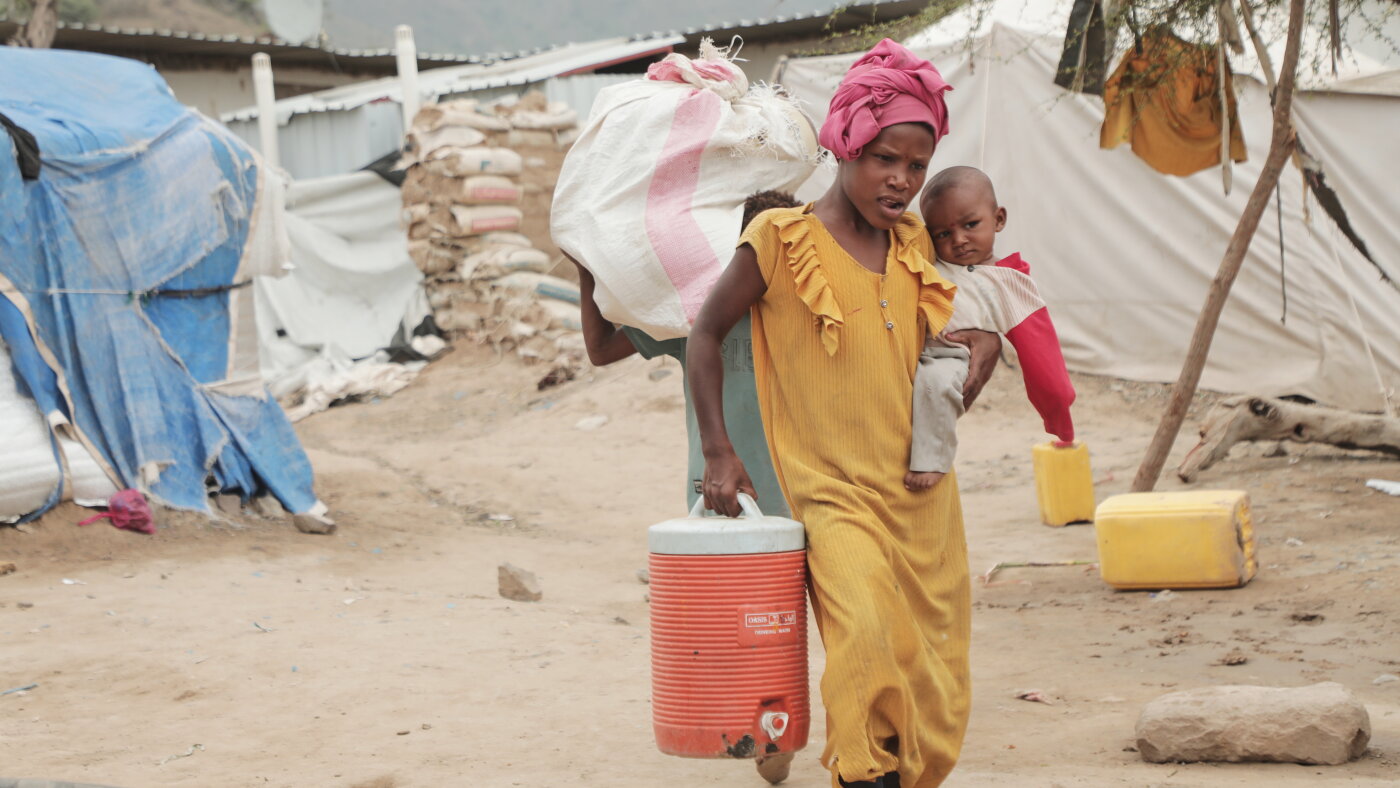
The situation involves regional players and international alliances. While Pakistan and Turkey have expressed diplomatic solidarity, the lack of an active military response highlights the current limits of their new defense pact with Saudi Arabia. For residents in the region, particularly in Yemen where the conflict has displaced large numbers of people, the continued fighting persists despite international diplomatic efforts. The U.S. position of direct communication with the Houthis while avoiding military involvement suggests a shift in how Washington manages its security commitments in the Arabian Peninsula.
What happens next depends on whether Saudi Arabia formally invokes its defense agreements or if diplomatic interventions by China and other parties gain traction. Iranian officials are meeting with Chinese leaders to discuss the security of the Strait of Hormuz, a primary transit point for global energy supplies. The Houthi claim regarding the downed F-15 remains unverified. Further developments regarding the operational status of the Saudi-Turkey-Pakistan pact will determine the scale of future regional military cooperation.