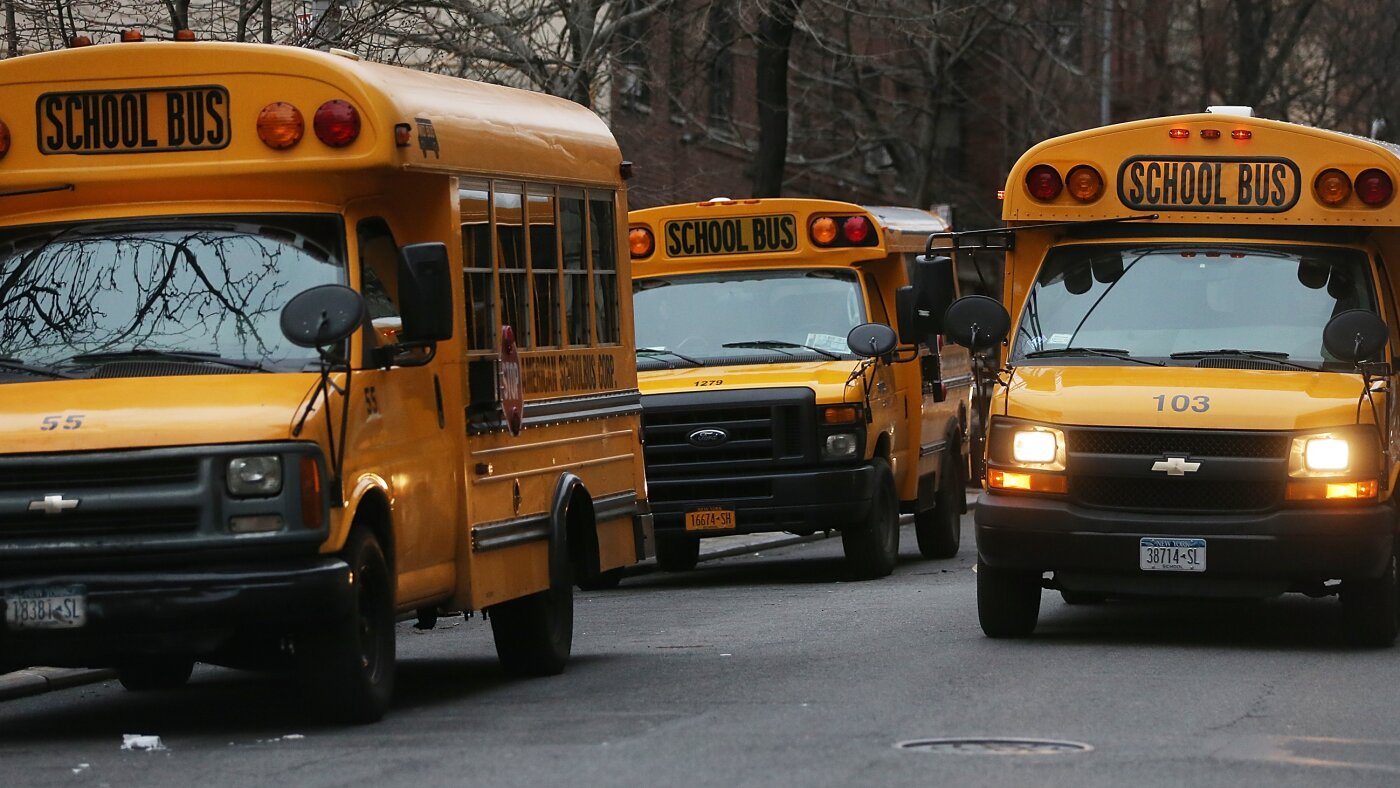
Public school districts are adjusting transportation operations and budgets as the national average price for diesel fuel reached $5.62 per gallon this week. The price increase, which represents a rise of nearly $2 compared to the same period last year, coincides with the start of the 2026-2027 academic year. Approximately 90% of the 480,000 school buses in the United States operate on diesel fuel.
Fuel prices began to rise in the spring of 2026 following the start of the war with Iran. A May survey conducted by organizations representing school superintendents and bus companies found that over half of the surveyed districts had already exceeded their fuel budgets. As schools reopen for the fall, administrators report using reserve funds or altering daily logistics to accommodate the increased costs.
In Washington, the Yakima School District estimated that fuel costs for the upcoming year could rise by $130,000, a figure Assistant Superintendent Jacob Kuper compared to the salary of one teacher. To mitigate these costs, the district consolidated routes and staggered bell times. In Boise, Idaho, the school district reported a $600,000 increase in transportation costs. That district recently added eight electric buses to its fleet through the federal Clean School Bus Program to evaluate long-term fuel savings.
Families and students will notice concrete changes in daily routines as districts attempt to lower fuel consumption. According to a May survey, 40% of districts are consolidating bus routes and 20% are limiting non-required trips like field trips. For students, this often results in more children per bus and longer travel times due to fewer stops or staggered school start times. Drivers may also experience longer shifts or more complex routes. These changes are taking effect immediately as the 2026-2027 school year begins across the country.
The long-term impact involves a potential weakening of school district financial stability. Elleka Yost of the Association of School Business Officials International noted that many districts are currently using "rainy-day" or reserve funds to cover fuel gaps, which could reduce their ability to handle future financial emergencies. Additionally, the price pressure is accelerating interest in alternative energy, as seen in Boise's adoption of electric vehicles and Monterey, California's shift toward gasoline-powered fleets. Districts will continue to monitor prices throughout the fall quarter to determine if further budget requests or service reductions are necessary.