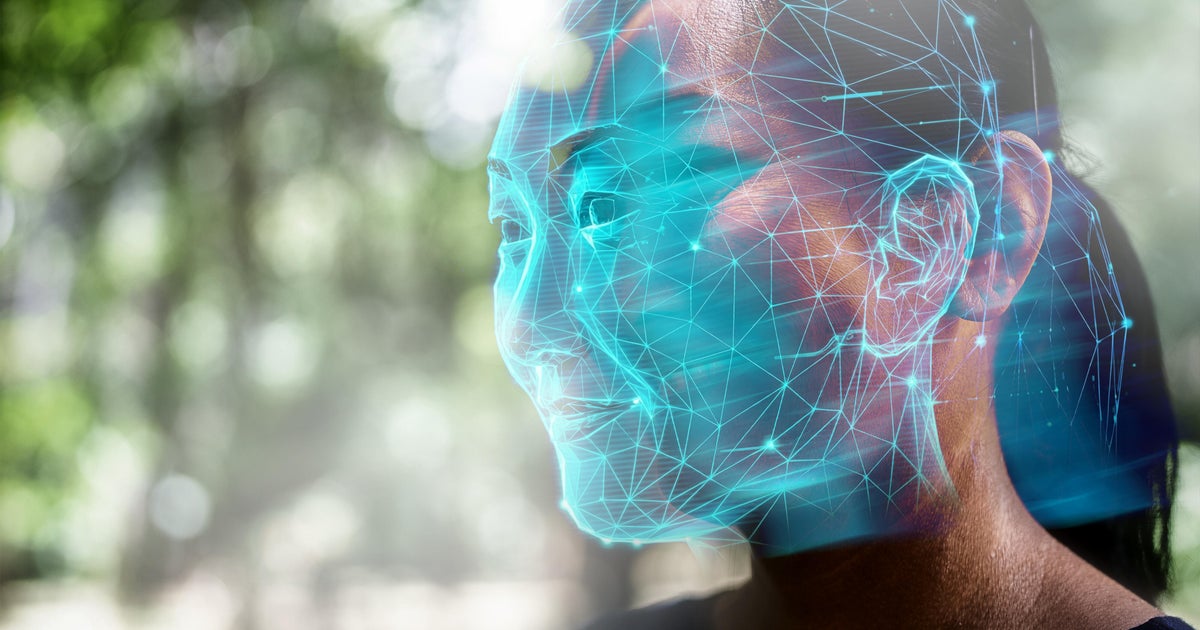
Security experts and researchers are warning of an increase in the use of artificial intelligence to create deepfakes—synthetic media that replicates the voice or likeness of a person—to target consumers and voters. According to Doppel, a social engineering defense platform, less than 10% of people can currently recognize an audio deepfake, with a test showing 92% of participants believed they were speaking to a human. The identity verification company Veriff reported a 300% increase in deepfake-related fraud attempts against businesses this year compared to 2025.
In the political sector, the Wesleyan Media Project reported that campaigns have spent more than $137 million on at least 220 AI-generated advertisements as of mid-October for the 2026 midterm cycle. This represents an increase from the 2024 cycle, which saw less than $50,000 in similar spending. Erika Franklin Fowler, co-director of the project, noted that in most cases, these ads do not disclose their use of AI. Specific incidents include a manipulated video targeting Texas Senate candidate James Talarico (D) and a 2023 deepfake impersonating Chicago mayoral candidate Paul Vallas.
Scams targeting individuals often involve "urgent" requests for money, such as a deepfake voice of a relative claiming to be in an accident or facing a medical bill. V.S. Subrahmanian, a computer science professor at Northwestern University, stated that AI tools now require only three seconds of audio or video to generate a replica. While 29 states, including Indiana, have enacted laws to regulate political deepfakes, Illinois currently lacks such regulations. The FBI reported that AI-related scams cost victims approximately $900 million in 2025.
Beyond direct financial fraud, the technology is changing how citizens interact with public information. Because deepfakes have become easier to produce—moving from complex Photoshop work to simple text prompts—the public may begin to "question everything," as Michael Kaiser of Defending Digital Campaigns noted. This can lead to the dismissal of authentic evidence, such as a genuine photo of Sen. Mitch McConnell (R-KY) that some users claimed was manipulated. As detection tools currently lag behind generation tools, the burden of verification is increasingly falling on individuals and journalists.
The knock-on effects include a potential erosion of trust in digital communications and the necessity for new security habits, such as the use of family passwords or multi-channel identity verification. Legal precedents are currently being set on a state-by-state basis, as 29 states have already moved to regulate political deepfakes while others have not. As of October 28, 2026, many detection technologies remain available only to specialized groups like journalists rather than the general public.