The Plain Record

Neutral daily news — clear headlines, complete facts.

On the Hill

Sen. Blumenthal Urges House to Pass Expanded Russia Sanctions Bill

Sen. Richard Blumenthal (D-CT) urged the House to pass a bipartisan sanctions bill targeting Russian energy revenue following an 86-11 Senate vote.

By The Plain RecordUpdated August 30, 2026 at 2:20 PM EDT
Published August 30, 2026 at 1:21 PM EDT

The short answer

Sen. Richard Blumenthal (D-CT) urged the House to pass a bipartisan sanctions bill targeting Russian energy revenue following an 86-11 Senate vote. Sen. Richard Blumenthal (D-CT) called on the House of Representatives on Sunday to approve a Senate-passed bill that would expand sanctions against Russia.

Updates (1)

  • Update — August 30, 2026 at 2:20 PM EDT: Sen. Richard Blumenthal (D-CT) called for passage of Russian sanctions and questioned recent ICE enforcement actions in Connecticut that he said detained approximately 100 people.
Sen. Blumenthal Urges House to Pass Expanded Russia Sanctions Bill

The Facts

Who
Sen. Richard Blumenthal (D-CT)
What
Sen. Richard Blumenthal urged the House to pass The Lindsey O. Graham Sanctioning Russia and Iran Act of 2026.
When
Sunday
Where
Washington, D.C.
Why
To reduce the revenue available to the Russian military by targeting the top purchasers of Russian oil and gas with tariffs up to 100%.

Timeline of what happened

Key dates and decisions, in the order they occurred.

  1. August 1, 2026

    Senate passes sanctions bill 86-11 before recess.

  2. August 28, 2026

    Russian drone strike occurs west of Kyiv.

  3. August 30, 2026

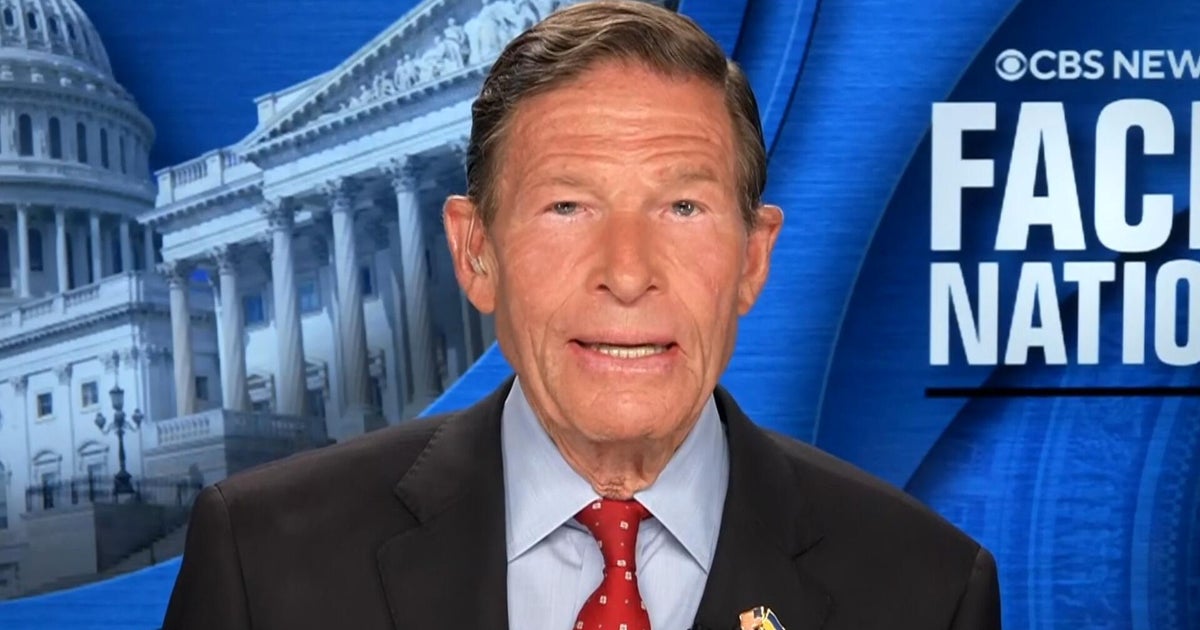
    Sen. Blumenthal advocates for House passage on Face the Nation.

Sen. Richard Blumenthal (D-CT) called on the House of Representatives on Sunday to approve a Senate-passed bill that would expand sanctions against Russia. The senator described the legislative effort as a measure to reduce the revenue available for the Russian military during the war in Ukraine.

The push for the legislation follows the recent death of Sen. Lindsey Graham (R-SC), who had been a primary co-sponsor of the effort alongside Blumenthal. The Senate passed the measure with an 86-11 vote earlier this month before beginning its August recess. The House is scheduled to return from its five-week recess this week.

The legislation, named The Lindsey O. Graham Sanctioning Russia and Iran Act of 2026, would allow the president to impose tariffs of up to 100% on the five largest purchasers of Russian oil or natural gas. Exceptions would be available for countries that import less than 15% of their natural gas from Russia and are taking steps to reduce those imports. The bill also includes measures to target financial institutions, oligarchs, and the "shadow fleet" of tankers used to transport Russian energy.

Blumenthal noted that Russia faces a looming $125 billion deficit, representing 5% of its Gross Domestic Product (GDP), and pays 14% interest on its national debt.

Blumenthal defended the bill against concerns from some House Democrats regarding the scale of executive authority, stating the measure was the result of "painstaking" negotiations between the White House, the U.S. Trade Representative, and bipartisan lawmakers.

The timing of a House vote remains uncertain. Blumenthal stated that Ukrainian President Volodymyr Zelenskyy identified the passage of this bill as his top priority during the senator's recent trip to Ukraine. The senator said he urged Zelenskyy to meet with House members to advocate for the bill, similar to meetings held with the Senate.

Summaries are written by The Plain Record to state the facts of a story plainly and without political slant. See our editorial standards, or report a correction.

← Back to the front page

Questions readers ask

What happened: Sen. Blumenthal Urges House to Pass Expanded Russia Sanctions Bill?

Sen. Richard Blumenthal urged the House to pass The Lindsey O. Graham Sanctioning Russia and Iran Act of 2026.

Who is involved?

Sen. Richard Blumenthal (D-CT)

When did this happen?

Sunday

Where did this happen?

Washington, D.C.

Why does this matter?

To reduce the revenue available to the Russian military by targeting the top purchasers of Russian oil and gas with tariffs up to 100%.