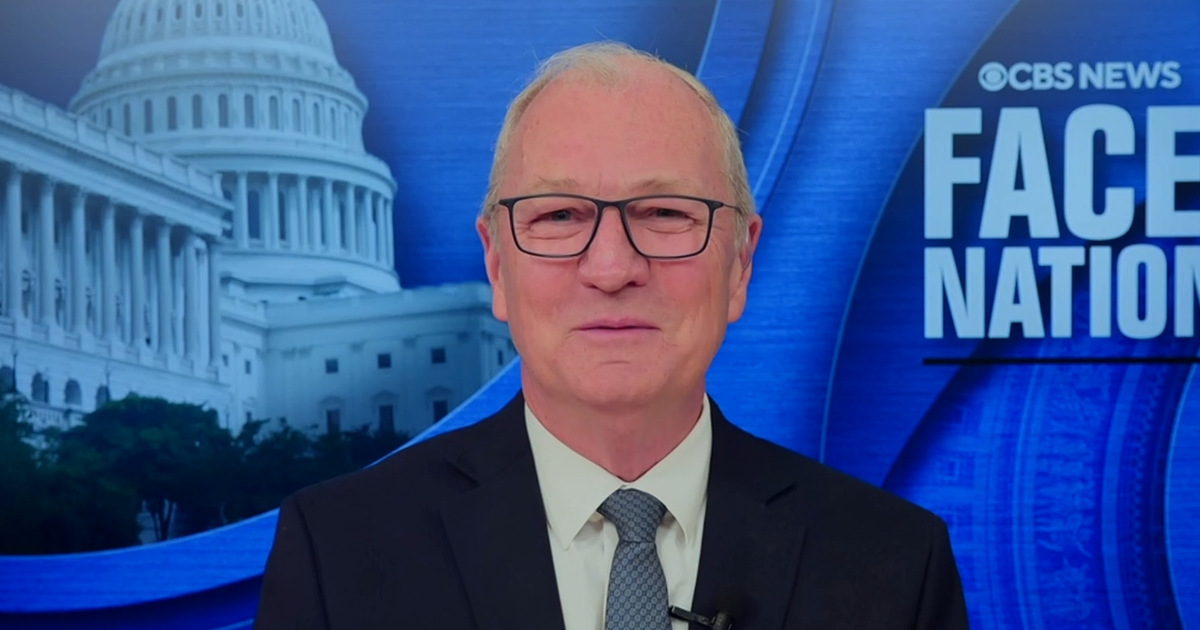
Sen. Kevin Cramer (R-ND) stated in a broadcast interview on October 18, 2026, that he supports a proposal to expand Ukraine’s access to Starshield, a U.S. military satellite program, in exchange for a halt to Ukrainian strikes on Russian energy assets. Cramer, who recently met with Ukrainian President Volodymyr Zelenskyy, said the proposal was developed by Senate Armed Services Committee Chairman Roger Wicker (R-MS) to shift Ukraine’s military focus toward Russian launch facilities.
Cramer also joined other Senate Republicans in criticizing the administration’s decision to waive sanctions on buyers of Russian oil, which were originally established by the Lindsey Graham sanctions bill. While Cramer described the waiver as a move that funds Russia’s military efforts, he noted that the high cost of diesel fuel is a significant domestic political issue just weeks before the upcoming election. He expressed hope that the waiver would be a short-term pause.
During their meeting, Zelenskyy requested three specific items: the full enforcement of sanctions, access to Starshield for targeting facilities up to 300 kilometers inside Russia, and licenses to co-produce Patriot missile interceptors. Cramer reported that Zelenskyy was enthusiastic about the proposal to stop hitting energy facilities if he could instead "kill the archer" by targeting the source of incoming missiles and drones.
The Senator also called for an investigation into reported interruptions of Starlink service, which Ukraine uses for drone operations. Cramer said he supports efforts by Sens. Thom Tillis (R-NC) and Jeanne Shaheen (D-NH) to determine if the service disruption was a technical glitch or a deliberate decision. He stated that Congress or an Inspector General should investigate the matter to ensure Ukraine maintains its defensive capabilities.
The specific groups most affected include U.S. ranchers and consumers. Cramer noted that the decision to import foreign beef tariff-free has not lowered grocery store prices but has lowered the market price for domestic cattle. This affects thousands of American ranching households who face higher input costs while their product value decreases. Additionally, the concentration of U.S. meatpacking—reported to be over 33% owned by Chinese and Brazilian interests—creates a market environment where domestic producers struggle to maintain herds during low-price cycles.
What happens next depends on the administration's response to the Wicker proposal and the upcoming November elections. While Cramer stated the beef tariff issue would not impact North Dakota’s immediate election results, the policy's effects on rancher enthusiasm remain a factor in other agricultural states like Kansas. Further developments are expected as Secretary of State Marco Rubio and other officials, including Jared Kushner and Steve Witkoff, continue discussions regarding the conflict in Ukraine and global energy sanctions.