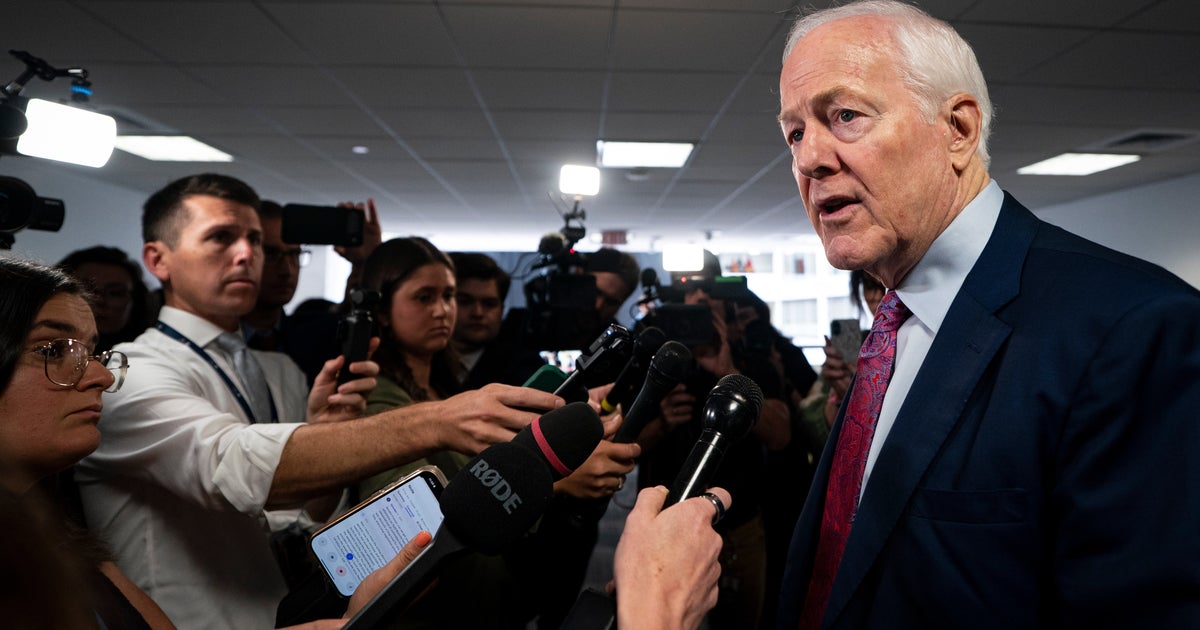
Sen. John Cornyn (R-TX) announced on Thursday, September 17, 2026, that he will not vote for Bo French, the Republican nominee for Texas railroad commissioner. Cornyn stated that French is an "embarrassment to the Republican Party" following social media posts made by the candidate regarding South Asian American students.
The situation began on Sunday, September 13, 2026, when French posted a photo on X, the platform formerly known as Twitter, showing nonwhite students at a University of Texas at Austin football game. In the post, French wrote that he had heard graduation "looked like this" and claimed the "problem is now obviously far worse than anyone imagined." He later posted the same image again, stating that social media was "exposing how many Americans have been displaced by foreigners."
Cornyn, who lost his Senate primary, told a reporter for the Washington Examiner that French’s comments would "drag the whole ticket down." He joined other figures, including former Texas House Speaker Dade Phelan and Republican strategist Karl Rove, in criticizing French. Cornyn also questioned on social media whether other Republican officials would condemn what he described as "intolerance and racism" or allow it to become "normalized."
French has not apologized for the posts and has instead used the attention to seek campaign donations. While some Republican figures have joined Cornyn in his criticism, others in the state have issued more limited critiques, and few have called for French to withdraw from the statewide race. French’s campaign did not provide an immediate response to Cornyn’s announcement.
The scale of the impact involves the entire Texas electorate, which includes millions of registered voters. For a resident of Texas, this conflict does not directly change their taxes or utility bills in the immediate term, but it centers on the leadership of a commission that oversees an industry responsible for billions of dollars in state revenue. A person following this race would notice a shift in the political environment where a prominent member of a candidate’s own party is actively advising against their election, an action Cornyn warned could lead a political party to "self-destruct."
The knock-on effects include potential shifts in how the Texas Republican Party manages its internal discipline and its public messaging regarding immigration and ethnic diversity. Cornyn’s stance sets a precedent for a high-ranking official who lost his primary to openly oppose a party nominee, which may affect the level of support French receives from other donors or political organizations. What happens next depends on the reaction of other Republican officeholders and whether French maintains his position as the nominee leading up to the general election; no specific deadlines or court dates were reported.