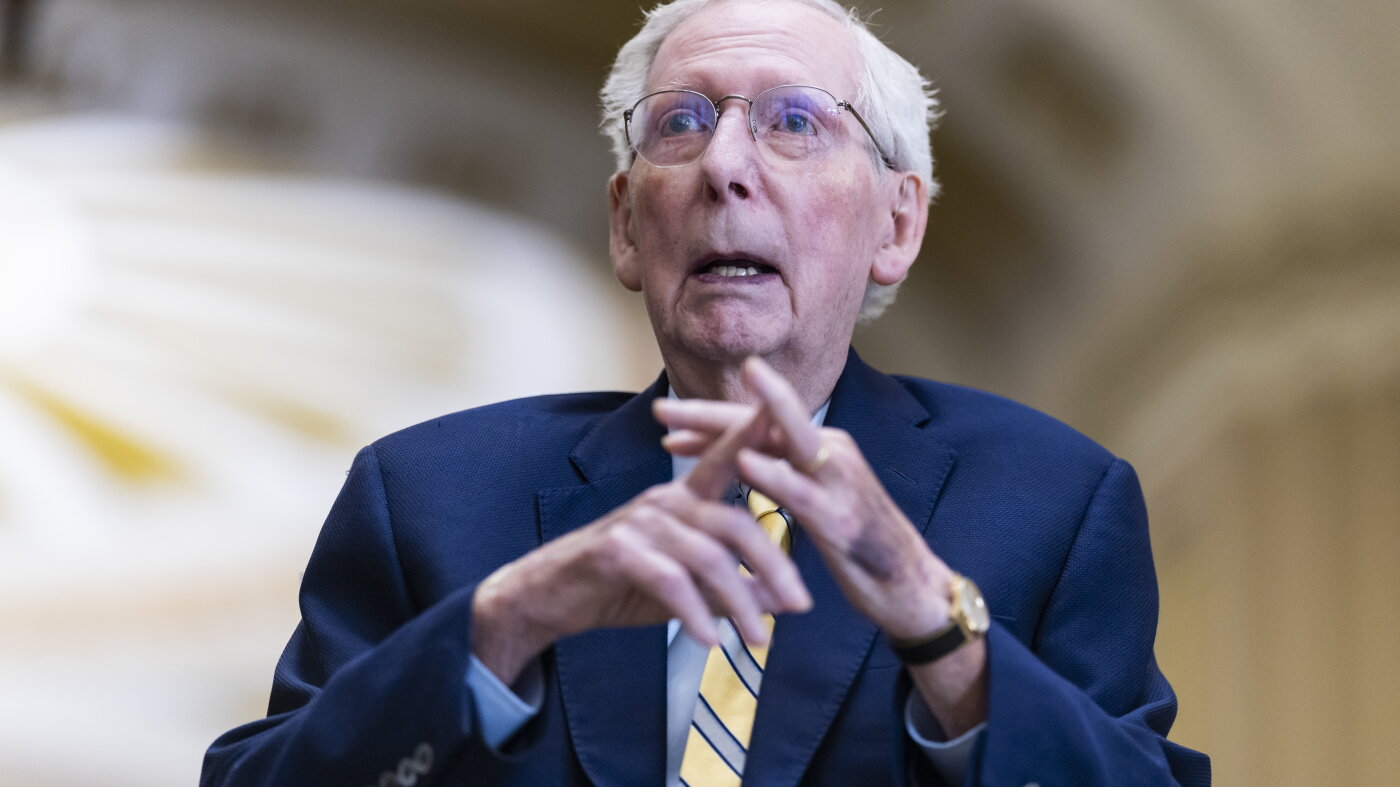
Sen. Mitch McConnell (R-KY) returned to the U.S. Senate on Monday to cast his first vote following a medical absence of more than 90 days. The former Republican Majority Leader had been away from the Capitol since June after a fall that left him briefly unconscious and hospitalized.
The absence began after a fall in June, which McConnell described as leading to a long and frustrating recovery process. The 84-year-old senator noted in a statement that the lingering effects of childhood polio complicated his rehabilitation. While he stated he is not yet "back to 100%," he indicated he would continue physical therapy while attempting to be present for "tough votes" when the Republican Conference needs him.
Prior to his return, McConnell's last recorded vote was on June 14. In a July statement, he clarified that while he lost consciousness during the incident, medical evaluations at the time ruled out a concussion, heart attack, stroke, tumors, or hemorrhages. This event followed previous health concerns, including a 2023 incident where he froze during a press conference and a prior fall that resulted in a concussion and a six-week hospitalization.
The senator's absence led to public calls for transparency regarding his health. Kentucky Governor Andy Beshear (D) requested that McConnell provide proof of his fitness for office, stating in July that constituents were asking for honesty regarding his condition. McConnell had already announced in 2025 that he would not seek another term and is scheduled to leave office at the end of the current Congress.
On a broader scale, the incident highlights the lack of mandatory health disclosure requirements for members of Congress. Unlike executive branch officials, members of the House and Senate are not legally required to release detailed medical records. This case involving an official who has served more than 40 years on Capitol Hill underscores the reliance on voluntary statements from lawmakers to inform the public about their capacity to perform federal duties.
The immediate impact for McConnell is a continued regimen of physical therapy while he serves out the remainder of his term. For the Senate, his return affects the Republican headcount for floor proceedings in the final months of the current Congress. The process concluded a period of uncertainty that had prompted criticism from Governor Beshear and fueled speculation regarding his health status.
What happens next: McConnell will continue to serve through the end of the current Congress, as he is not seeking re-election. No specific dates for his final departure or further medical updates were provided in the statement. His participation in future Senate actions will depend on his recovery progress and the scheduling of significant votes by Senate leadership.