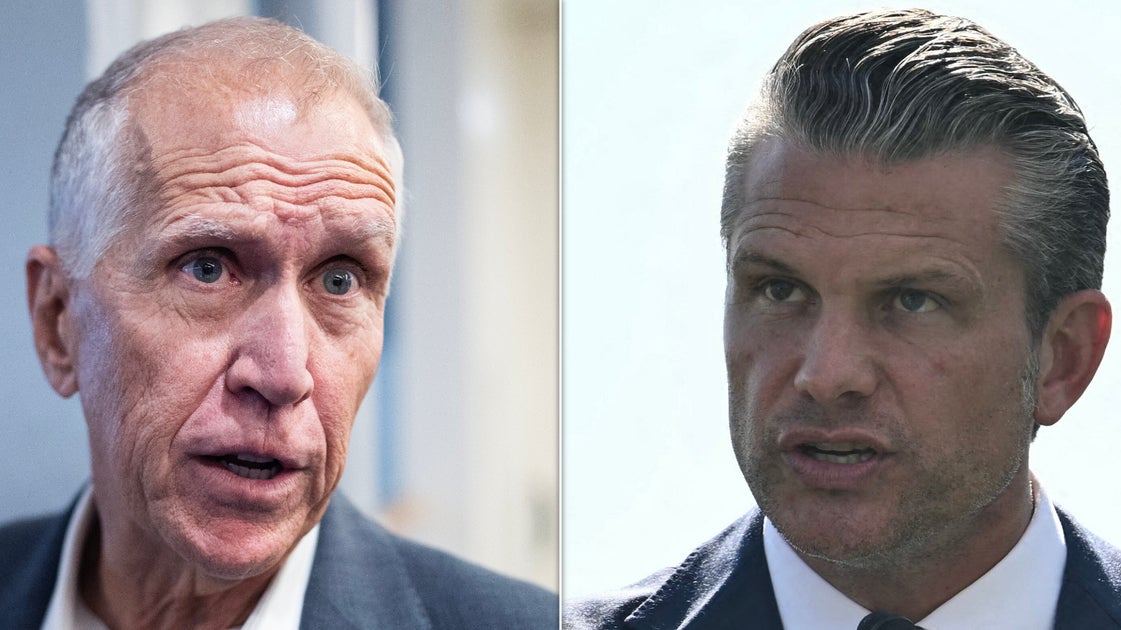
Sen. Thom Tillis (R-NC) announced his support on Thursday, September 17, for the removal of Defense Secretary Pete Hegseth, stating that the official should be replaced through impeachment or by the president. Tillis, who previously voted to confirm Hegseth for the role last year, cited what he described as a "management problem" at the Department of Defense. The senator stated that his assessment was based on his professional background as a management consultant rather than personal disagreement.
The calls for removal followed the introduction of articles of impeachment earlier this week by Rep. Thomas Massie (R-KY). Massie accused Hegseth of "high crimes and misdemeanors" during his time leading the Pentagon. However, House Speaker Mike Johnson (R-LA) moved on Wednesday, September 16, to delay a vote on the matter until after the midterm elections by sending the House of Representatives into an early recess. Johnson characterized the impeachment effort as a "publicity stunt" and stated the House would likely table the measure upon their return.
Tillis has increased his criticism of Hegseth in recent weeks, including a social media post earlier in September where he alleged "inept management" of the military. Tillis claimed the secretary was "intimidated by competence" and focused on "culture wars" rather than national defense or the well-being of service members. On Thursday, when asked if he would encourage fellow Republicans to vote for impeachment, Tillis stated that Hegseth "needs to go" and suggested the president should find a new leader for the Pentagon.
The scale of this dispute involves the highest levels of the federal government, including the executive branch and both chambers of Congress. While Rep. Massie's impeachment articles specifically target one individual, the political disagreement over Hegseth's performance has the potential to stall other legislative priorities. Speaker Johnson's decision to delay the vote means the issue will remain unresolved through the midterm election cycle, leaving the Pentagon under the leadership of a secretary who lacks the support of key members of his own party's congressional delegation. This creates a period of administrative uncertainty for defense contractors, military leadership, and international allies who coordinate with the Department of Defense.
The immediate impact for the public is a delay in legislative action as the House remains in recess until after the elections. The knock-on effects of this rift could influence future confirmation hearings for executive appointments, as senators like Tillis may face scrutiny regarding their initial support for candidates who later face party opposition. Furthermore, the precedent of a sitting representative filing impeachment articles against a member of their own party's administration highlights internal divisions that could affect the passage of the annual National Defense Authorization Act or other military spending bills. What happens next depends on the outcome of the midterm elections and the House's return to session, at which point Speaker Johnson indicated the House would likely address and table the impeachment resolution.