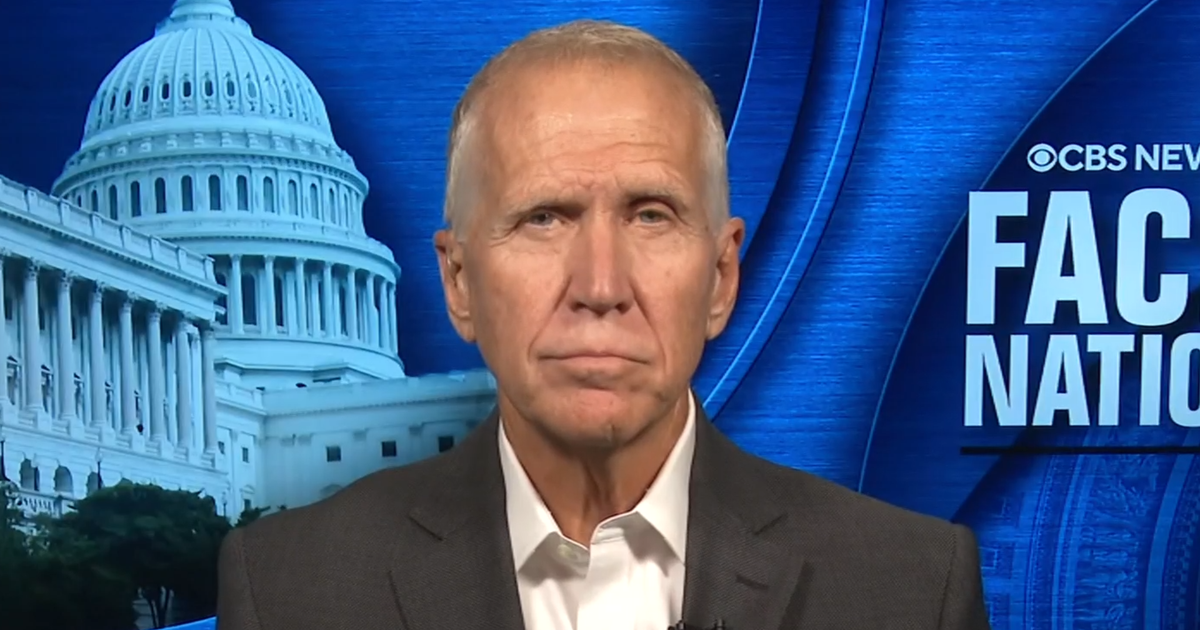
Sen. Thom Tillis (R-NC) expressed concern regarding federal health care cuts and the level of private control over military satellite technology during a broadcast interview on Sunday, Oct. 25, 2026. The retiring senator discussed the long-term impact of recent tax and spending legislation and criticized the Department of Justice for its recent legal actions involving election procedures in Alaska and California.
The interview followed the passage of a federal tax and spending bill by Republicans on a party-line vote. While Tillis stated he supported the tax provisions of the legislation, he criticized the health care components, specifically cuts to Medicaid. Tillis noted that more than 25 percent of North Carolinians rely on Medicaid and expressed frustration that the cuts were scheduled to take effect sooner than he had advocated for during negotiations.
Regarding national security, Tillis addressed reports that Elon Musk’s SpaceX satellite services, including Starlink and Starshield, had experienced lapses in Ukraine. Tillis joined Sen. Kevin Cramer (R-ND) in questioning the degree of control a private CEO holds over defense domains. He cited the failure of early warning systems to detect Russian ballistic missiles and called for a secured congressional examination of the timeline to determine who was responsible for the lapse in service.
The scale of the situation in North Carolina involves hundreds of thousands of residents, given the 25 percent reliance figure cited by Tillis. For an individual household, these cuts could translate into reduced coverage for medical services or increased pressure on state-funded safety nets to fill the gap left by federal reductions. Tillis noted that these economic and health effects are likely to become prominent issues in the 2029 election cycle as the full weight of the funding changes is felt by the public.
Furthermore, the debate over private satellite control sets a precedent for how the Department of Defense (DoD) manages partnerships with commercial entities like SpaceX. A lack of clear "guardrails" or accountability, as Tillis argued, means that critical military capabilities—such as missile early warning systems—could remain subject to the decisions of private executives. What happens next includes potential congressional inquiries in secured settings and ongoing litigation by the Justice Department regarding election laws in Alaska and California.