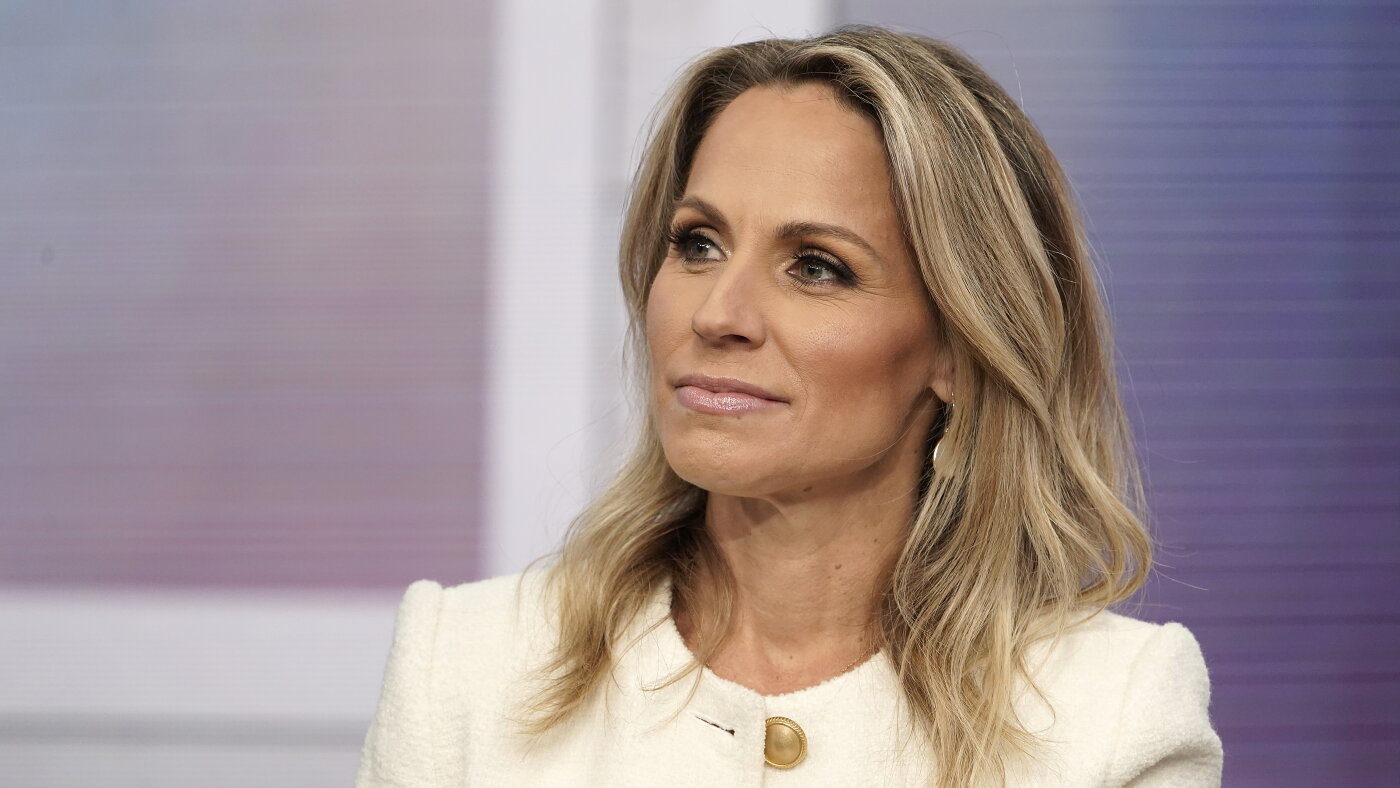
The Senate Committee on Health, Education, Labor, and Pensions met on Wednesday to hold a confirmation hearing for three nominees to leadership positions within the Department of Health and Human Services (HHS). The nominees include Dr. Nicole Saphier for Surgeon General, Chris Klomp for Deputy Secretary of HHS, and Dr. Timothy Westlake for Assistant Secretary for Mental Health and Substance Use. The United States has been without a confirmed Surgeon General since January 2025.
Dr. Saphier, a radiologist at Memorial Sloan Kettering Monmouth in New Jersey, is President Trump’s third nominee for the Surgeon General role. The first nominee, Dr. Janette Nesheiwat, was dropped following questions regarding her academic credentials. The second nominee, Dr. Casey Means, did not receive a committee vote after support fell apart following a February hearing and a previous delay due to her going into labor.
During the hearing, senators were expected to question Saphier on her public health views, specifically regarding vaccines. While Saphier has questioned certain vaccine requirements, such as COVID-19 boosters and the hepatitis B vaccine for newborns, she has also defended vaccines against debunked links to autism. In a previous op-ed, she stated that efforts to address autism must be based on "rigorous science" rather than "conspiracy theories."
Chris Klomp, the nominee for Deputy Secretary, has managed daily operations at HHS since February and previously served as the director of the Center for Medicare. During a separate Senate Finance Committee hearing on Tuesday, Republican senators questioned Klomp on drug pricing and Medicaid fraud, while Democratic senators focused on the department's response to measles outbreaks. Klomp spoke in support of the MMR vaccine to curb the spread of the disease.
The confirmation of these officials would fill leadership vacancies at HHS, an agency currently overseen by Secretary Robert F. Kennedy Jr. For the general public, the Surgeon General serves as a spokesperson on health issues, and the Deputy Secretary oversees the operations of a department that manages Medicare and Medicaid. The confirmation process affects the administration of federal health programs. For example, the Deputy Secretary role involves influence over drug pricing and the detection of Medicaid fraud. The Assistant Secretary for Mental Health and Substance Use would lead SAMHSA, an agency that has recently faced staff cuts and a restructuring plan that was halted due to legal challenges.
The success or failure of these nominations will determine how the Trump administration manages public health initiatives. If confirmed, these leaders will be responsible for addressing infectious diseases and mental health services under a secretary whose relationship with the committee has been described as strained. The hearings conclude the preliminary stage of the confirmation process, with the committee set to determine whether to advance the nominees to a full Senate vote.