The U.S. Senate confirmed Todd Blanche as the nation’s next attorney general on Friday, following a one-vote margin in the chamber. The confirmation occurred as Congress entered its summer recess, concluding a process marked by discussions regarding the Department of Justice's independence and its focus under the current administration.
Sen. Bill Cassidy (R-LA), who provided a critical vote for the confirmation, stated that while he held reservations about certain aspects of the appointment, he believed stable leadership was necessary for the Department of Justice. Cassidy noted that federal prosecutors in his state reported increased morale due to a focused mandate on violent crime, human trafficking, and healthcare fraud.
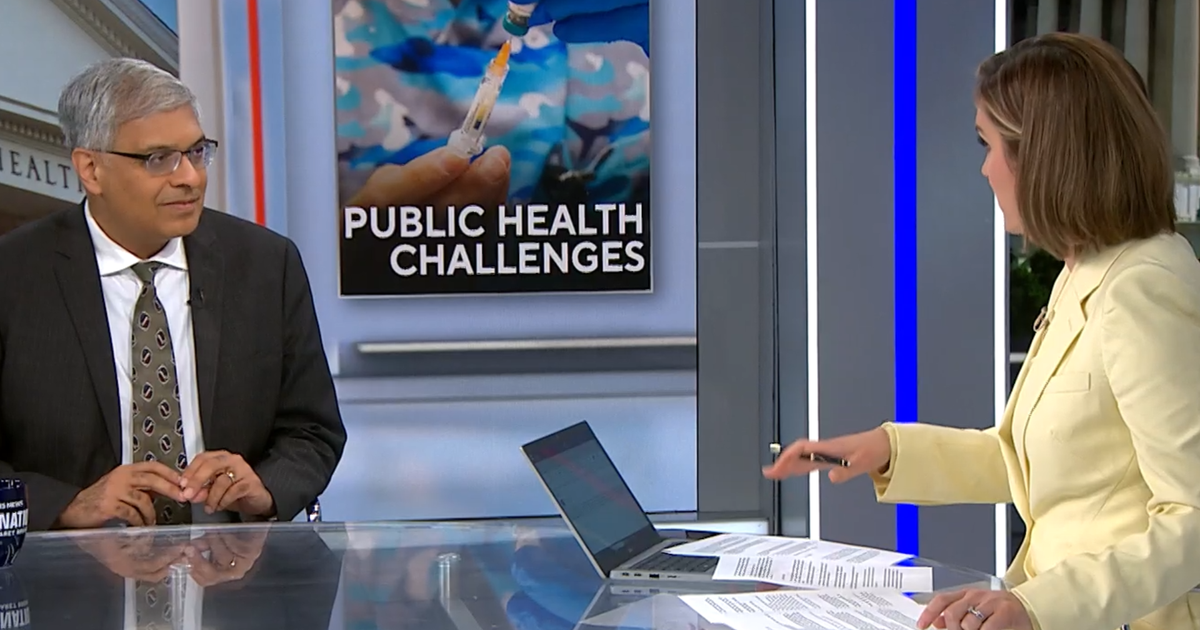
During a broadcast interview following the vote, Cassidy addressed concerns regarding documents posted by Blanche that rescinded an anti-weaponization fund order. Cassidy also acknowledged criticisms of a statement that narrowed IRS protections specifically to President Trump, his children, and the Trump Organization, calling the arrangement "totally wrong" but ultimately deciding to support the nominee.
The discussion also addressed legislative efforts to manage Social Security, which trustees estimate could face insolvency within six years. Cassidy and Sen. Dick Durbin (D-IL) have proposed a process to force congressional consideration of various reform plans, including a sovereign wealth fund model. Cassidy noted that without action, 70 million beneficiaries could see monthly benefit reductions of approximately 22 percent, or about $500.
Sen. Bernie Sanders (I-VT) also appeared, discussing the upcoming midterm elections and recent primary results. Sanders addressed the victory of Abdul El-Sayed in the Michigan Senate primary, noting the candidate won despite being outspent by significant margins. Sanders defended progressive economic platforms, such as raising taxes on high earners and expanding healthcare access, as necessary responses to an economy he described as favoring the wealthy.
The ongoing debate over Social Security involves 70 million current beneficiaries who face a projected 22 percent reduction in their monthly checks by 2032 if the program's trust funds reach insolvency. For the average recipient, this would result in approximately $500 less per month for groceries, housing, and medicine. Sen. Cassidy and Sen. Durbin are attempting to establish a formal process to review competing solutions, such as raising the payroll tax cap or creating a $1.5 trillion investment fund similar to models used in Japan and Norway, to prevent these automatic cuts.
These developments occur 86 days before the midterm elections, where the balance of power in both the House and Senate is at stake. The outcome will determine whether progressive policies supported by Sen. Sanders, such as state-run grocery stores or expanded health subsidies, or Republican strategies for economic pressure on foreign adversaries, move forward. The next steps for Social Security reform remain stalled as leadership has yet to commit to floor votes on the proposed bipartisan pathways.