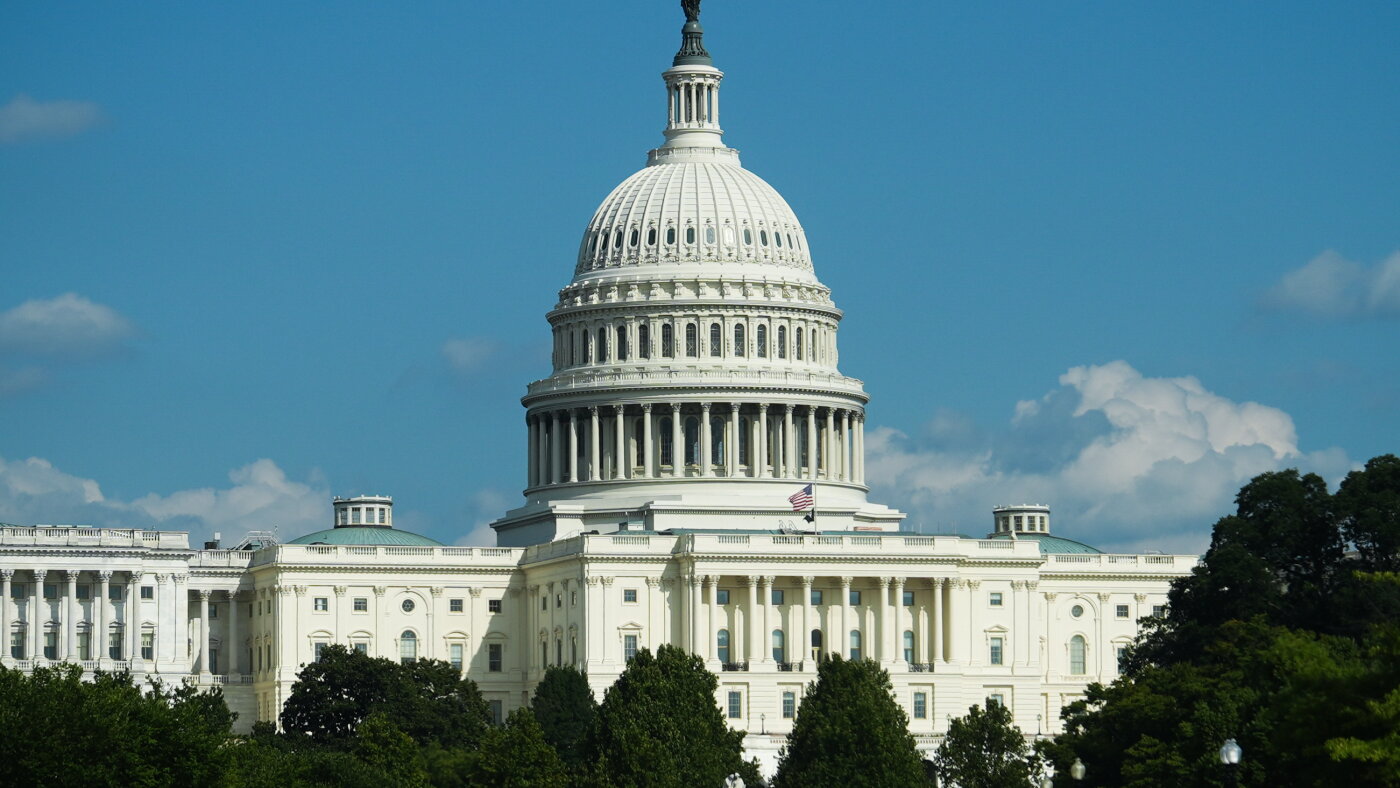
The Republican-led Senate narrowly defeated a resolution on Thursday, September 24, 2026, that sought to remove U.S. forces from hostilities with Iran. The measure failed by a vote of 49 to 50, marking the second time in two weeks that the chamber has rejected a war powers resolution. Four Republicans joined Democrats in supporting the effort, while Sen. John Fetterman (D-PA) was the only Democrat to vote against it.
The vote follows months of conflict that began in February 2026. While the House of Representatives passed a similar resolution in July with a 214-208 vote and another last week with 220 votes, the Senate has remained a barrier to the legislative effort. Lawmakers supporting the resolution noted that Congress never voted to authorize the war, while opponents, including Senate Majority Leader John Thune (R-SD), characterized the timing of the vote as political ahead of the November midterm elections.
The four Republicans who voted for the resolution were Sens. Susan Collins (R-ME), Lisa Murkowski (R-AK), Rand Paul (R-KY), and Thom Tillis (R-NC). Retiring Sen. Bill Cassidy (R-LA) had remained undecided until the vote. Ahead of the session, Senate Democratic Leader Chuck Schumer (D-NY) stated that Americans were being "crushed at the gas pumps" due to a war started without a plan. Thune acknowledged the economic pressure but stated he hoped administration efforts would soon open shipping lanes to lower prices.
The vote highlights a growing shift among Republican candidates in competitive districts who are now publicly distancing themselves from the administration's handling of the war. Figures like Rep. Ashley Hinson (R-IA) and Mike Rogers, the GOP nominee for Senate in Michigan, have stated that their constituents cannot afford to wait for the war to end to see relief at the checkout line. This internal party tension sets a precedent for how overseas conflicts may influence domestic economic policy and midterm election outcomes, as lawmakers weigh national security concerns against immediate inflationary pressures on their constituents.
What happens next: With the Senate having completed this vote, lawmakers are expected to leave Washington until after the November midterm elections. President Trump indicated during an address to the United Nations this week that a peace deal with Iran might not be reached until after the elections are concluded. While the resolutions passed by the House are non-binding and do not require the president's signature, they serve as a formal record of congressional sentiment as candidates head into the final weeks of campaigning. No further votes on war powers are currently scheduled before the November break.