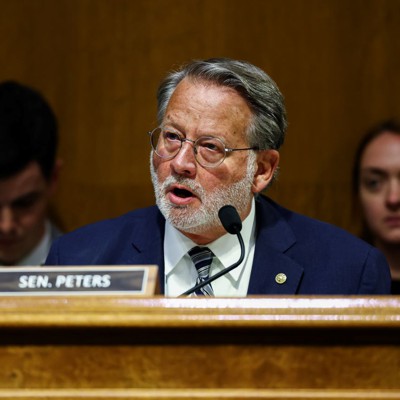
Sen. Gary Peters (D-MI), the ranking member of the Senate Homeland Security and Governmental Affairs Committee, requested this week that Chairman Rand Paul (R-KY) delay proceedings for four nominees to the U.S. Postal Service (USPS) Board of Governors. The request, made in a letter to the committee chair, follows the Trump administration's submission of four Republican nominees to fill five existing vacancies on the board.
Federal law mandates that no more than five of the nine Senate-confirmed governors on the USPS board belong to the same political party. The board currently consists of two Democrats, one Republican, and one independent. Peters stated that the administration has not consulted with Senate Democratic leadership regarding nominees, a departure from traditional practices used to maintain bipartisan balance on independent boards.
The nomination dispute follows a recent Supreme Court decision in Slaughter v. Federal Trade Commission, which removed certain protections that prevented a president from firing heads of independent agencies without cause. Chief Justice John Roberts wrote in the majority opinion that Congress cannot compel a president to work with individuals with whom he is unable to collaborate, though the ruling did not specifically address party-affiliation requirements for board memberships.
Supporters of the administration's approach, including Paul Steidler of the Lexington Institute, noted that recent judicial rulings have expanded executive authority over independent agencies. Steidler stated that the political makeup of the board may be less critical than addressing the Postal Service's long-term financial stability. Historically, the USPS board has functioned with a mix of members from both major parties to oversee the agency's operations and appoint the postmaster general.