The U.S. Senate failed to advance a cryptocurrency regulatory bill known as the Clarity Act on Tuesday. The measure fell short of the 60 votes required to move forward in a 49 to 50 vote, with all Democrats and four Republicans voting against the motion.
The legislation was designed to establish a regulatory framework for digital assets following the passage of the Genius Act last year, which regulated stablecoins—a type of digital currency. The Clarity Act sought to define the jurisdictions of the Commodity Futures Trading Commission (CFTC) and the Securities and Exchange Commission (SEC), two agencies that have shared oversight of the industry.
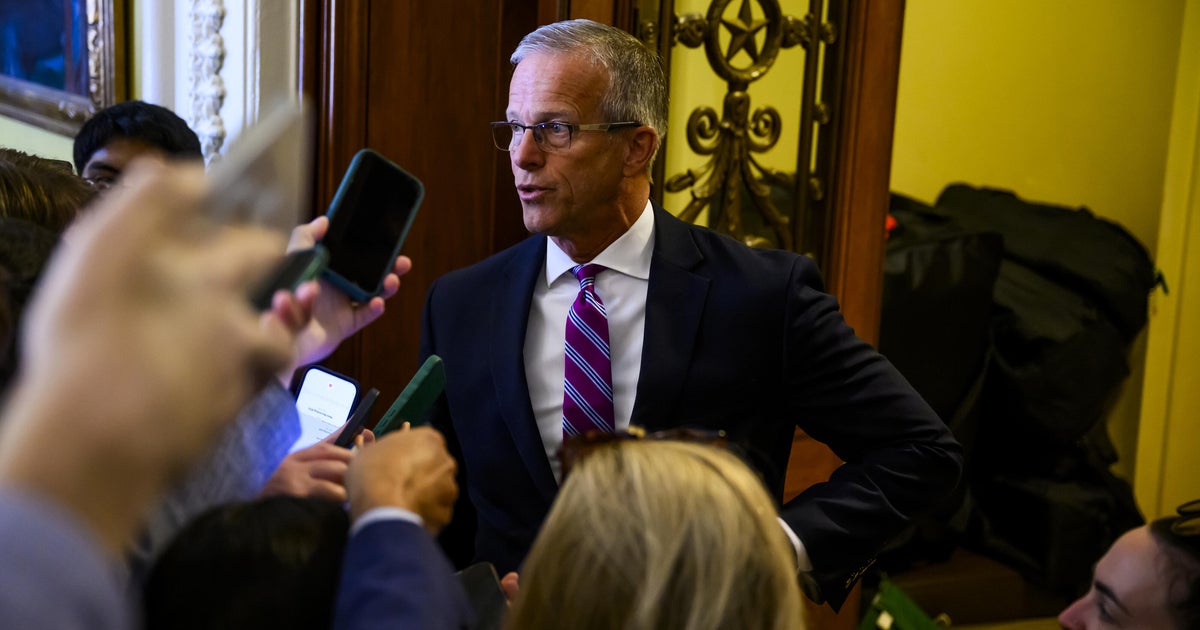
Senate Majority Leader John Thune (R-SD) argued the bill would harmonize rules between regulators, protect investors, and prevent companies from bypassing securities laws. Thune stated the bill incorporated over 100 changes requested by Democrats and had support from financial institutions and law enforcement. However, Sen. Elizabeth Warren (D-MA) opposed the measure, stating it posed risks to national security and the economy, and argued that its ethics provisions were insufficient.
The disagreement centered on language intended to prevent government officials from profiting from the cryptocurrency industry. Democrats argued the bill’s provisions would not prevent President Donald Trump or his family from benefiting from their personal cryptocurrency ventures. According to financial disclosures, Mr. Trump earned $1.4 billion in cryptocurrency-related income last year through his meme coin business and a family cryptocurrency firm.
Sen. Warren characterized the ethics language in the latest version of the bill as a "fig leaf" that would not hold the president accountable for future profits. Conversely, Sen. Thune described the bill as a shared priority of both parties and the president, suggesting that the failure to advance was a result of political gamesmanship. Sen. Warren stated she remains open to negotiating a different version of a bipartisan cryptocurrency bill.
For the average cryptocurrency user or small investor, the lack of a unified framework means there is no new federal standard to ensure companies are not skirting securities laws, which typically provide protections against fraud and market manipulation. The day-to-day experience for digital asset holders will remain unchanged for now, as existing enforcement actions by various agencies continue without the "light-touch" harmonization proposed in the bill. This outcome maintains the status quo for cryptocurrency firms operating in the U.S. that are seeking legal certainty regarding which assets are classified as commodities versus securities.
The impasse sets a precedent for how ethics and executive branch business interests may stall future financial regulations. Because the bill did not advance, the SEC and CFTC will continue their current methods of crypto enforcement rather than adopting the harmonized rules described in the legislation. While Sen. Thune indicated the bill had been in development for over a year, there is currently no scheduled date for a new vote or a timeline for when revised bipartisan negotiations might begin. Provisions from the previously passed Genius Act remain the primary federal regulation for stablecoins.