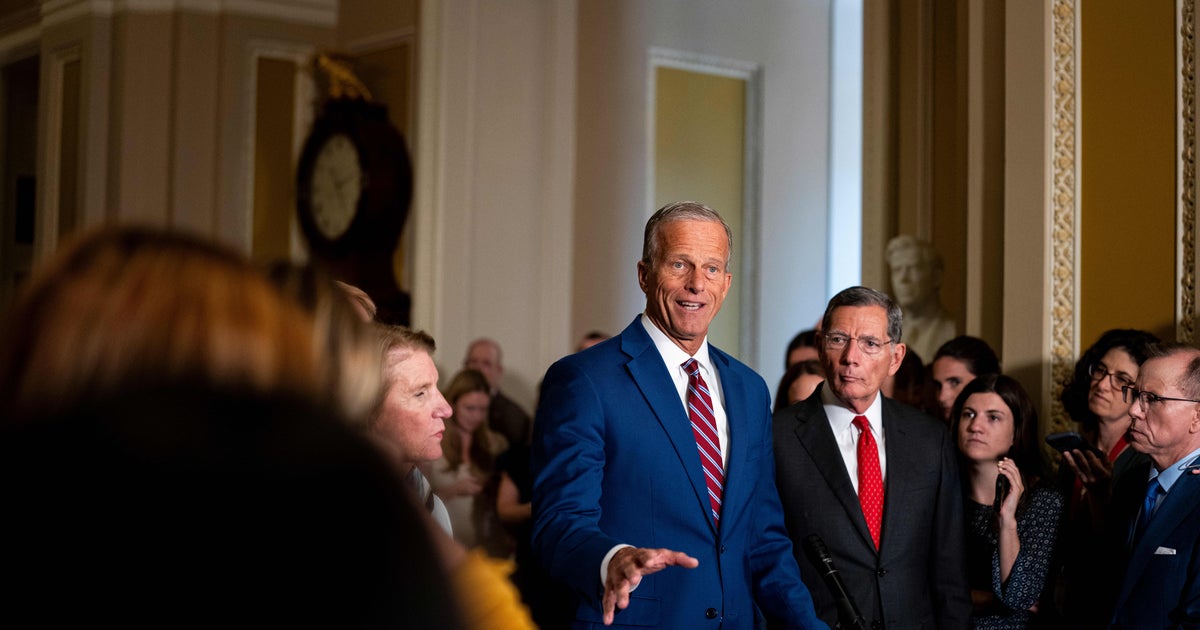
The U.S. Senate returned to Washington following a five-week recess to address a legislative agenda focused on digital assets, college sports, and artificial intelligence before the upcoming midterm elections. A primary focus for the chamber is the Clarity Act, a bill designed to establish a regulatory framework for cryptocurrency and digital assets. While Senate Republicans released updated bill text on Sunday following a year of bipartisan negotiations, it remains uncertain if the measure will secure the 60 votes required to advance during a procedural vote scheduled for Tuesday.
In addition to financial regulations, Senate leaders are seeking to advance the Protect College Sports Act. The legislation aims to regulate college athletics by addressing name, image, and likeness (NIL) rights and transfer eligibility. Although the bill received support from the White House and major athletic conferences such as the Big Ten and SEC in July, it faces opposition from several lawmakers and advocacy groups. The Congressional Black Caucus stated last month that it cannot support the bill in its current form, arguing that the negotiations failed to include the perspectives of Black athletes, coaches, and Historically Black Colleges and Universities (HBCUs).
The Senate is also considering the reauthorization of Section 702 of the Foreign Intelligence Surveillance Act (FISA), which expired in June. Previous bipartisan efforts to extend the surveillance authority for three years were disrupted following Donald Trump's selection of Bill Pulte to lead the Office of the Director of National Intelligence. Additionally, progress on the Farm bill has been delayed because it did not advance out of the Agriculture Committee prior to the recess. This delay occurred during the absence of Sen. Mitch McConnell (R-KY), who has not returned to the Capitol since his hospitalization in June.
The scale of the artificial intelligence (AI) debate involves the technology industry and its users. The sectors involved—agriculture, collegiate sports, and digital finance—represent significant portions of the U.S. economy. The Farm bill traditionally sets the budget for agricultural subsidies and nutrition programs. If these bills pass, they could affect how digital currency is regulated, how college students negotiate athletic contracts, and how AI tools are developed.
Senate Majority Leader Chuck Schumer (D-NY) has requested a briefing for all senators on the administration's AI actions, while House Speaker Mike Johnson (R-LA) has advocated for a meeting between industry leaders and the White House rather than a moratorium. What happens next depends on the Tuesday procedural vote for the crypto bill and whether the House and Senate can reconcile their differing approaches to AI and college sports before the House departs at the end of the week for the midterm campaign season.