The U.S. Senate is scheduled to hold a final vote Monday, September 28, 2026, at 5:30 p.m. ET on the Protect College Sports Act. The legislation aims to reform Division I athletics by establishing federal standards for athlete compensation, transfer rules, and conference membership. Several senators who were former collegiate athletes have participated in the drafting and debate of the bill, which is expected to pass the chamber with at least 70 votes.
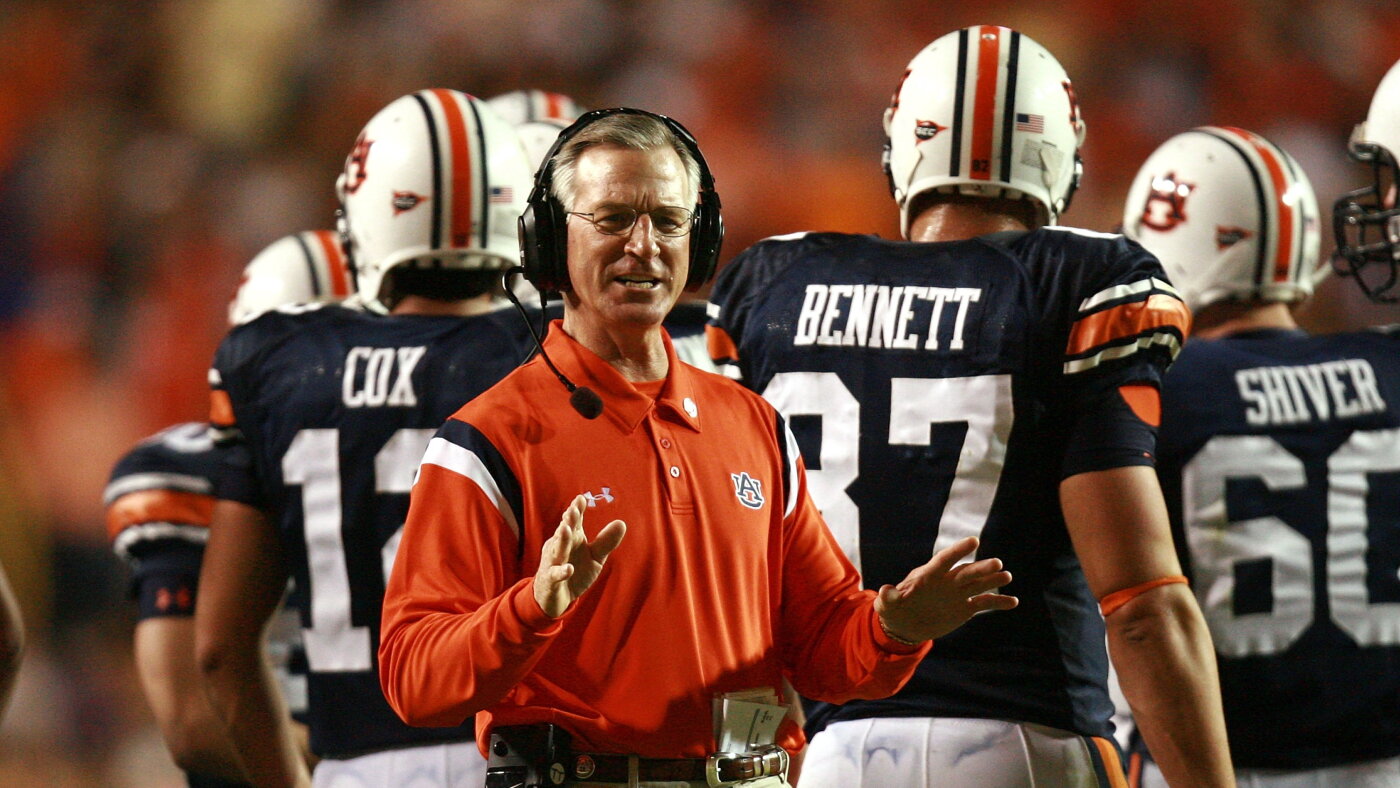
The bill follows a decade of changes in college sports, beginning with the Ed O'Bannon lawsuit over name, image, and likeness (NIL) rights. Recent years have seen NIL deals for players and a legal settlement last year that allowed for direct revenue sharing. Supporters, including Sen. Eric Schmitt (R-MO) and Sen. Tommy Tuberville (R-AL), argue the bill is necessary to address high transfer rates and athletic department spending, while critics like Sen. Cory Booker (D-NJ) argue it places burdens on athletes while protecting university wealth.
Mechanically, the bill grants the NCAA a limited antitrust exemption to restore the five-year eligibility rule and limit athletes to one penalty-free transfer; subsequent transfers would generally require a one-year waiting period. It raises the cap on direct revenue sharing from approximately $21 million per school to $49 million. The legislation also caps agent pay, allows conferences to pool media rights, and restricts conference membership by capping it at 19 schools. Sen. Booker has proposed amendments to the bill, including a $5 million salary cap for coaches, citing reports that nearly 50 football coaches currently exceed that amount.
The scale of the legislation involves billions of dollars in television contracts and athletic department budgets. A recent report from Sen. Maria Cantwell (D-WA) indicated that between 2005 and 2023, coaching pay increased by 370% and recruiting costs rose by 300%. By capping agent fees and attempting to regulate NIL deals to "market value," the federal government would be taking a role in the private earnings of young athletes. For the schools, the 19-school cap on conference membership would affect the planning of programs like Florida State and Miami that may have sought new affiliations.
The bill's passage would grant the NCAA a limited antitrust exemption, shielding the organization from certain types of lawsuits that have challenged its rules in the past. While the bill appears to have bipartisan support to clear the Senate on September 28, its final enactment remains uncertain. The House of Representatives is currently on recess until after the November midterms. If passed and signed into law by President Trump, the new regulations on transfers and revenue sharing would likely take effect in the coming athletic cycles.