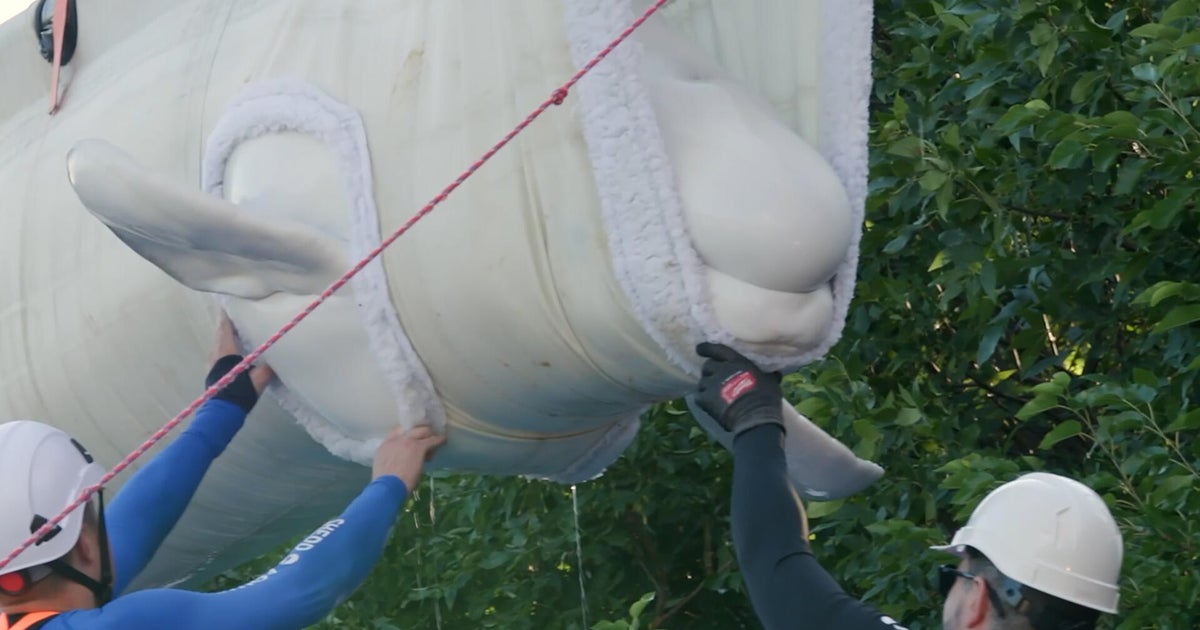
SeaWorld San Antonio received seven beluga whales on Tuesday as part of a larger effort to relocate dozens of the marine mammals from Marineland, a closed theme park in Canada. The transfer of the seven female whales—named Xena, Gemini, Skyla, Meeka, Eve, Neva, and Calypso—is the second phase of a relocation project and represents the largest beluga transfer ever completed in the United States.
Marineland, located in Niagara Falls, Ontario, closed to the public in 2024 but initially retained its animals. The facility later stated it lacked the resources to care for them and suggested that approximately 30 animals might have to be euthanized if funding or relocation options were not secured. In July, the National Oceanic and Atmospheric Administration (NOAA) issued relocation approvals, noting that no other Canadian facilities were capable of providing the necessary husbandry or medical care for the whales.
The whales, which weigh more than 1,200 pounds each, traveled nearly 2,000 miles via flatbed trucks and a cargo plane in specialized water-filled units. Upon arrival in Texas, the whales were placed in a private habitat for veterinary monitoring and nutrition. They join two male whales, Frankie and Bertie Botts, who were moved to the San Antonio facility last month during the first phase of the rescue.
For visitors and the general public, the immediate change is the removal of these animals from public view as they undergo health assessments in private tanks. According to SeaWorld officials, the whales will eventually be introduced to the park's existing population after they acclimate to their new environment and receive necessary medical attention. The long-term impact involves the redistribution of the Marineland population across at least five different facilities in the U.S. and Europe, effectively ending the whale program at the shuttered Canadian park.
The move sets a precedent for how international marine mammal transfers are handled when a private facility becomes unable to sustain care. The operation involves significant logistics and costs borne by the receiving institutions, though specific dollar amounts were not reported. What happens next is the planned relocation of the final 17 whales to aquariums in Georgia, Chicago, San Diego, and Spain. While these plans are confirmed, officials have not yet announced the specific dates or deadlines for these final transfers.