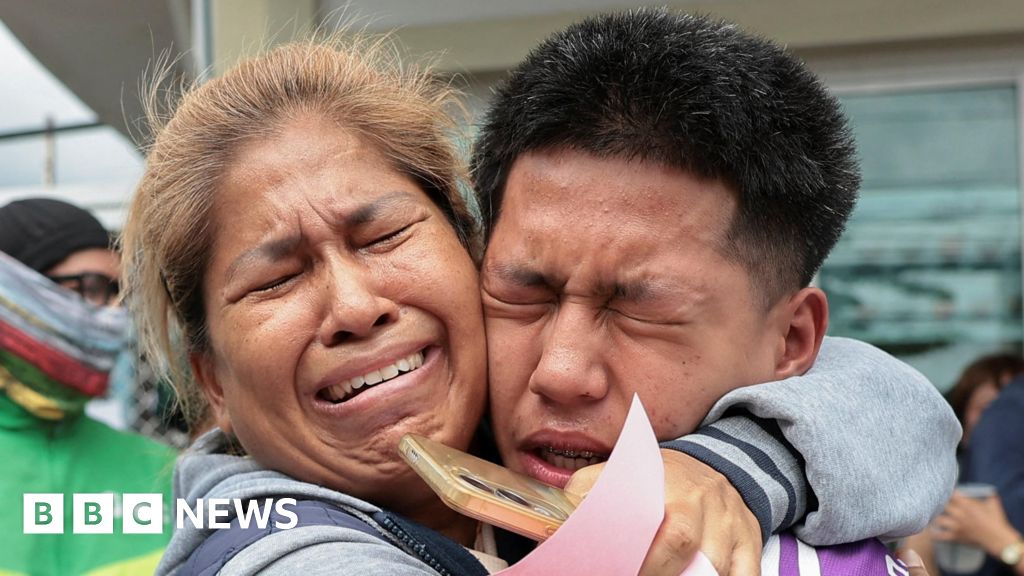
A 14-year-old boy opened fire at Debsirin School in Nonthaburi, just outside Bangkok, on Friday morning, killing five teachers and injuring more than 30 people. Police reported that the suspect also killed his grandparents earlier that morning before carrying out the school shooting and eventually turning the weapon on himself. The incident occurred during the final classes of the week, leading to an evacuation where students were seen streaming out of the building or climbing over fences to escape.
This event follows several other mass casualty incidents in Thailand, including a February school shooting in the south and a 2020 attack at a nursery in Nong Bua Lamphu that killed 37 people. Thailand currently has one of the highest rates of gun ownership in the world, with approximately seven million owners, more than one million of whom are unlicensed. Prime Minister Anutin Charnvirakul stated that while he had previously suspended new gun permits during his time as interior minister, gun crime remains a persistent issue in the country.
Police investigators reported that the suspect used a 9mm handgun believed to belong to his grandfather. Forensic officers noted that the shots were accurate and hit vital spots on the victims' bodies. While no official motive has been determined, Prime Minister Anutin cited potential stress related to academic pressure and a strict upbringing as factors under investigation. Witnesses described a scene of confusion, with some students initially mistaking the gunfire for firecrackers before paramedics began transporting victims with wounds to the chest, back, and arms to local hospitals.
The immediate day-to-day changes for Thai citizens involve a significant tightening of school security and a likely increase in medical and psychological costs for the families of the injured. With over 30 people hospitalized, many households will face sudden medical bills and lost wages. Additionally, the roughly seven million gun owners in Thailand may face increased scrutiny or changes to their legal rights as the government reviews its firearm policies. The Prime Minister and opposition leaders have already indicated that the ease of acquiring weapons through legal channels or the thriving black market will be a primary focus of upcoming legislative discussions.
The knock-on effects of this shooting are already influencing Thai national policy and political debate. Natthaphong Ruengpanyawut, leader of the opposition People's Party, has formally called for a systematic review of gun control measures, which could lead to stricter licensing requirements or a permanent ban on certain permits. This sets a precedent for how the government handles the intersection of mental health, academic pressure, and weapon accessibility. What happens next includes the continuation of the police forensic investigation and upcoming government debates regarding the enforcement of gun regulations, though specific dates for legislative votes have not yet been announced.