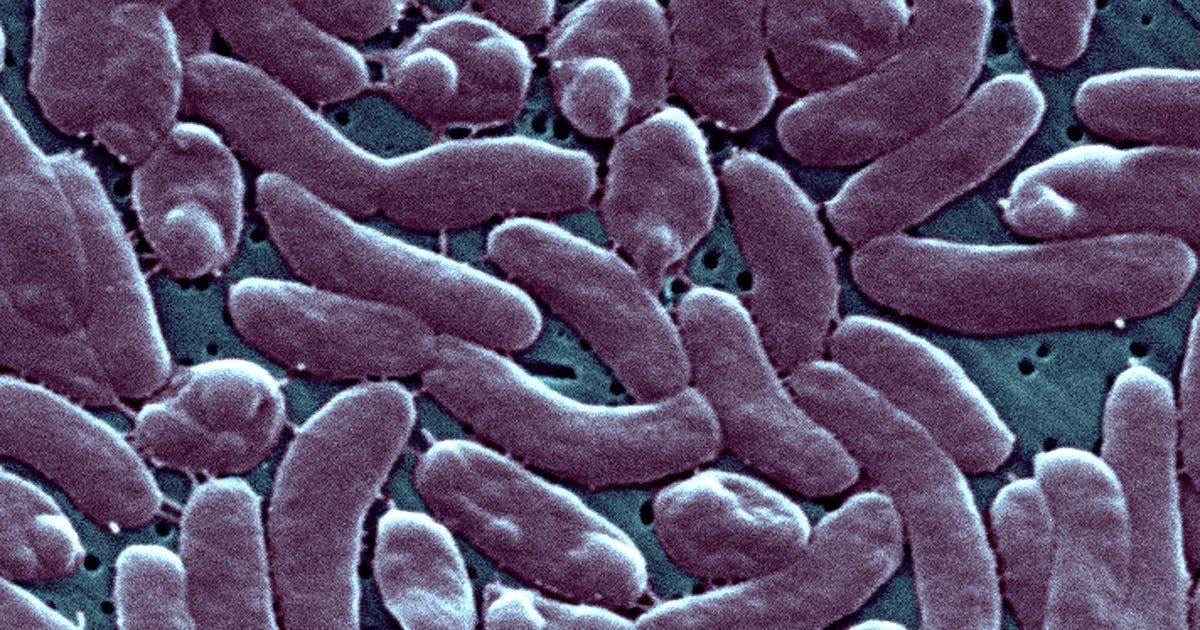
Health officials reported that at least seven people have died this year along the Gulf Coast due to infections from Vibrio vulnificus, a bacterium found in warm seawater. Five deaths occurred in Louisiana and two in Florida. The Centers for Disease Control and Prevention (CDC), the national public health agency of the United States, states that approximately one in five people infected with this bacterium die.
The bacterium typically enters the body through open wounds exposed to contaminated water or through the consumption of raw shellfish. While common in the Gulf Coast, researchers have detected the bacteria as far north as New York. In Maryland, health officials have confirmed more than two dozen cases this year and advised caution for those swimming in the Chesapeake Bay. Dr. Peter Hotez of the National School of Tropical Medicine attributed the northward spread of the bacteria to rising temperatures associated with climate change.
Medical experts identify several groups at higher risk for severe infection, including individuals with liver disease, cancer, diabetes, HIV, or thalassemia. The CDC also noted that treatments such as immune-suppressing therapy or medications that reduce stomach acid can increase susceptibility. Symptoms of infection include fever, chills, nausea, and stomach cramps, while wound-specific symptoms include redness, swelling, discharge, or discoloration. Dr. Cassandra Black, an infectious disease specialist, recommended that any open wound exposed to potentially contaminated water be cleaned immediately.
The concrete day-to-day impact is most significant for individuals with underlying health conditions, such as the roughly 38 million Americans with diabetes or those with compromised immune systems. These individuals may need to alter travel plans or avoid certain outdoor activities to prevent life-threatening infections. Additionally, the detection of cases as far north as Maryland and New York signals that a broader geographic population must now monitor water safety conditions that were previously associated primarily with southern states.
The presence of the bacteria also impacts the seafood industry and local tourism sectors, as health warnings can influence consumer choices regarding raw shellfish and swimming. While the specific economic cost was not reported, the spread of the bacteria to more northerly latitudes suggests that public health monitoring and water testing protocols will need to expand to states that historically did not face this issue. What happens next involves ongoing monitoring by state health departments; Maryland officials are currently tracking over two dozen confirmed cases, and medical professionals continue to urge early detection and immediate cleaning of wounds to prevent surgical emergencies or death.