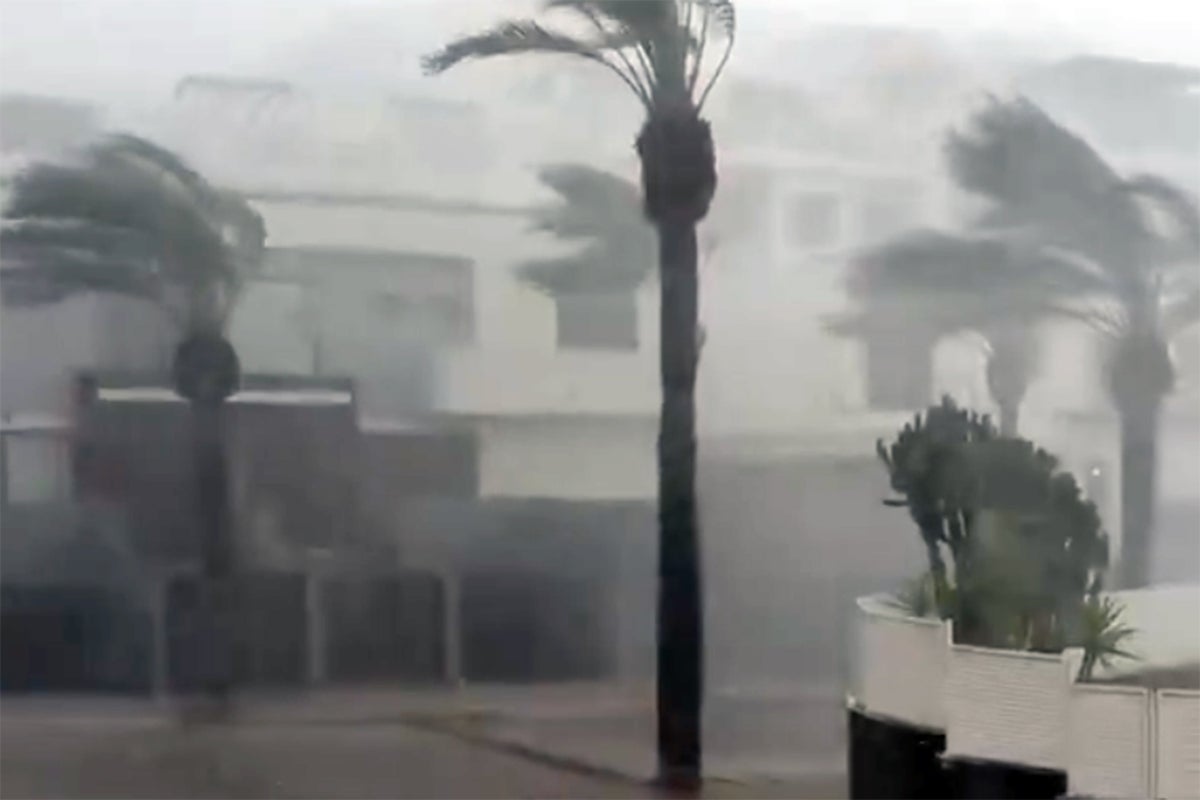
Heavy rain and thunderstorms have caused flash flooding across parts of Italy and Spain following a period of extreme heat. Weather agencies in both nations issued urgent warnings as low pressure from the Atlantic brought a temperature drop of more than 10 degrees Celsius to northern and central Spain. The unstable conditions, characterized by torrential rain and wind gusts exceeding 62 mph, follow a week where wildfires affected multiple European countries including France, Greece, and Germany.
In Spain, the state meteorological agency Aemet issued yellow and orange alerts for 11 communities, particularly across the eastern Iberian Peninsula. This shift occurred one day after a red alert was issued for Valencia and Alicante due to temperatures reaching 44 degrees Celsius. Local media in Valencia reported over 50 emergency interventions on Thursday as storms downed trees and lightning strikes started fires. The severe weather follows a weekend of flooding and landslides in the Spanish Pyrenees and Manzanedo de Valdueza that resulted in three deaths and injuries to two children.
In northern Italy, meteorologists recorded 126mm of rain in the town of Chiavari. Footage from the region showed roads submerged as water levels rose in Liguria and the Po Valley. Local authorities issued orange flood warnings for north-eastern Liguria, while in southern France, officials evacuated approximately 200 people from a campsite in Pégomas as a safety measure. A small landslide was also reported near Castillon.
For an average household in these regions, the primary changes involve immediate disruptions to transportation and safety risks from flash floods and falling trees. Residents in the affected 11 Spanish communities and Italy’s Liguria region must monitor official weather alerts to determine if they need to evacuate or avoid specific roadways. The rapid transition from 44C heat to torrential rain creates specific hazards, such as lightning-induced fires and landslides on terrain recently parched by heatwaves.
The broader impact involves a reported increase in severe fire activity driven by hot, dry, and windy conditions. Analysis from the Potsdam Institute for Climate Impact Research (PIK) estimates that approximately 39% more land could be burned annually across Europe by the year 2100. In the short term, storms are expected to continue through Saturday, and flood risks in Italy’s Po Valley and Liguria were scheduled to remain active through Friday afternoon. Specific deadlines for the end of the current storm cycle have not been finalized beyond these immediate windows.