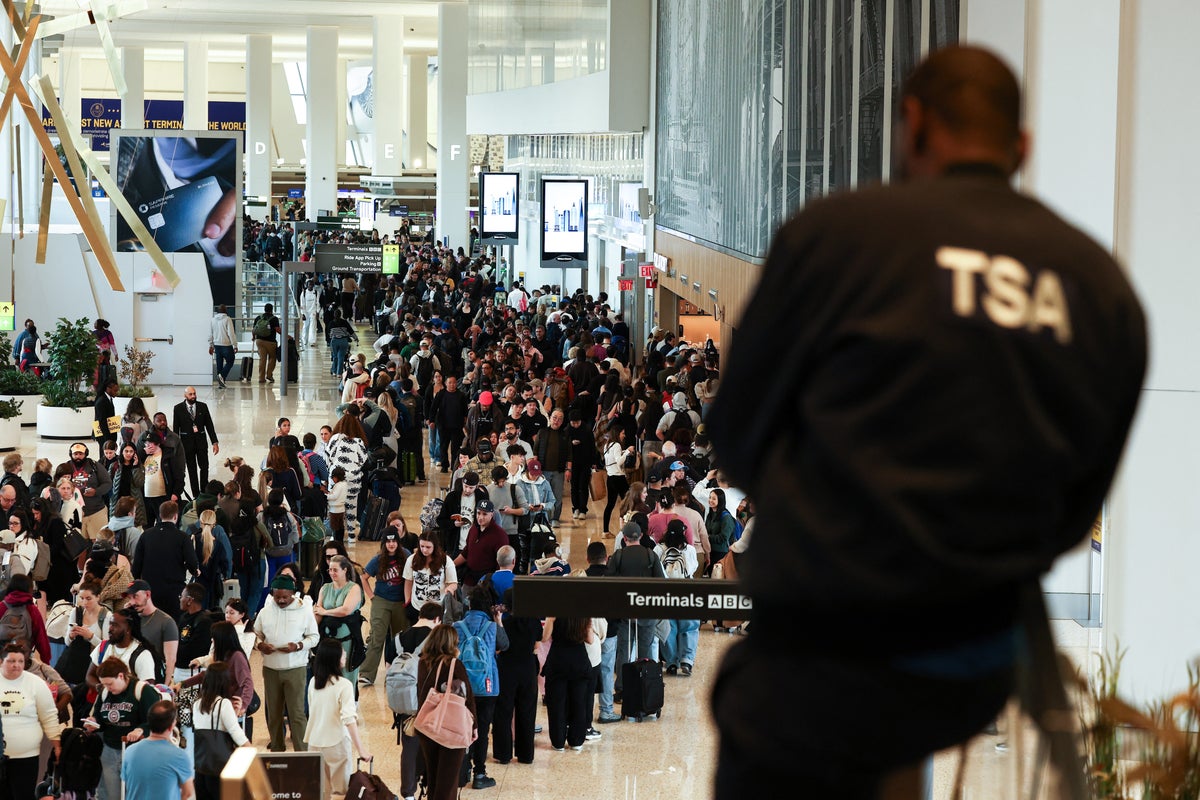
A combination of severe weather and low seat capacity resulted in more than 1,300 flight delays and 100 cancellations across the United States on Monday morning. The Federal Aviation Administration (FAA) reported that visibility issues and storm patterns in eastern transit hubs, including New York, Washington D.C., and Charlotte, were primary drivers of the disruption.
Industry analysts noted that carriers have been operating with reduced seat capacity since April to manage rising fuel costs. This reduction leaves airlines with fewer options to accommodate passengers when weather events disrupt scheduled flights. Additionally, federal officials previously identified air traffic controller shortages and summer storms as factors contributing to scheduling strain.
According to data from FlightAware, New York’s John F. Kennedy International Airport experienced the most significant disruptions, reporting 117 delays and 25 cancellations on Monday. JetBlue Airways was the most affected carrier during this period, with approximately 100 delays and 25 cancellations. Earlier in the month, JetBlue saw delays on 45 percent of its scheduled flights during a similar weather event.
Travel experts, including Peter Vlitas of Internova Travel Group, advised passengers to monitor airline apps for travel alerts and rebook flights before formal cancellations occur. Vlitas suggested that travelers might need to seek alternative routes, such as flying to nearby cities and using ground transportation, to reach their final destinations during prolonged disruptions.
The concrete change for travelers is a reduction in flexibility; because airlines have cut seat capacity since April due to fuel costs, there are fewer empty seats available to rebook displaced passengers. This means a traveler whose flight is canceled may not find an available seat on a subsequent flight for several days. Passengers will notice this through increased notifications for gate changes and delays, requiring them to constantly monitor mobile applications and potentially negotiate complex alternative routing with airline staff to reach their destinations.
The knock-on effects extend to the broader national air traffic management system, which is already strained by air traffic controller shortages. When weather hits hubs like New York or Washington D.C., the resulting backlog creates a compounding effect that can take days to resolve across the entire domestic network. Moving forward, passengers are encouraged to enable push notifications for real-time updates. While no specific end date for these capacity constraints was reported, the FAA continues to monitor weather patterns in eastern transit hubs as the primary cause of ongoing domestic flight instability.