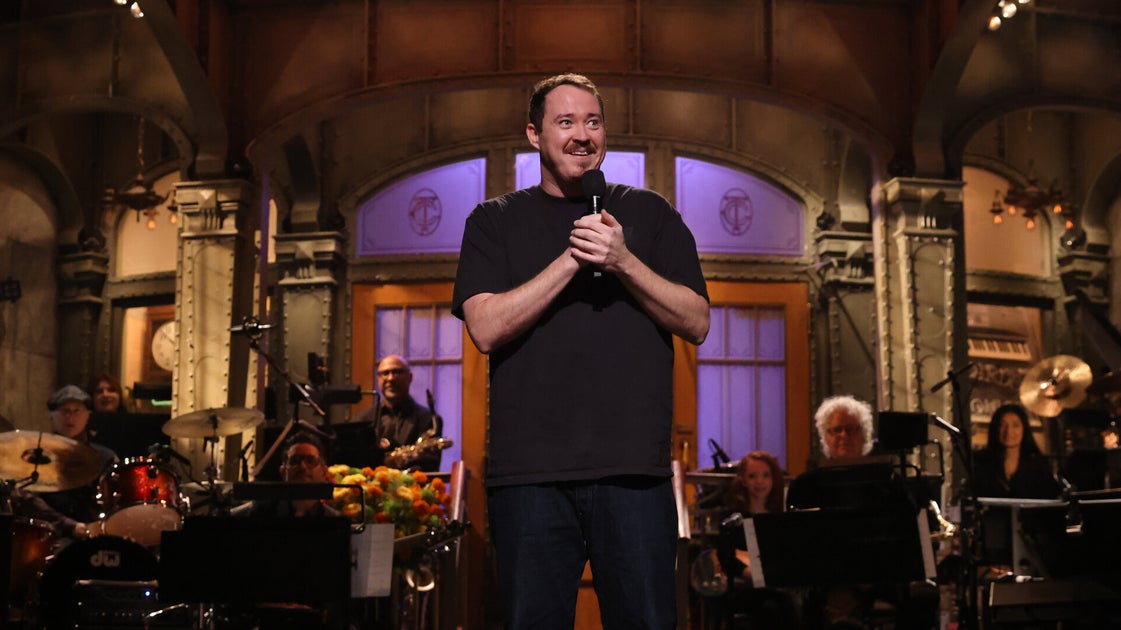
Comedian Shane Gillis hosted “Saturday Night Live” on the weekend of October 10, 2026, delivering an opening monologue that drew criticism for its comments regarding women and weight. During the performance, Gillis made remarks about women’s gym attire and used a pejorative term to describe his own sisters’ physical appearances. The monologue prompted a significant volume of responses on social media platforms including TikTok and Threads.
Public reaction to the broadcast followed Gillis’s previous history with the program. The comedian was originally hired as a cast member but was removed before his first season in 2019 following the discovery of past remarks. His appearance on the October 10 episode marked his third time hosting the long-running NBC sketch comedy series.
In the days following the broadcast, online criticism focused on Gillis’s description of women wearing workout clothes as “bait.” However, a secondary wave of commentary emerged involving jokes and remarks directed at Gillis's own body and weight. Some social media users questioned whether the comedian exercised, while others used fat-shaming language to express their disapproval of his monologue.
Advocates and observers, including content creator Megan Ixim, noted that the backlash against Gillis frequently transitioned into what they described as fatphobia. Ixim, who focuses on body acceptance, reported receiving over 600 replies on the social media platform Threads after asking fat people how they felt when anti-fat language was used to criticize public figures. Respondents stated that such comments suggest fatness is viewed as a "moral failing" or evidence of poor character.
For fat individuals and those in the body-positivity movement, the concrete day-to-day change is an increase in exposure to body-shaming language in public forums. Respondents to Ixim’s inquiry reported that seeing such language used against public figures like Gillis or Donald Trump makes them feel that their own dignity is conditional and that fatphobia remains an "acceptable" form of discrimination. These individuals noted that they perceive these insults as a sign that their appearance is being treated as synonymous with "being ugly, undesirable, even evil," which influences how they navigate online spaces and social interactions.
The knock-on effects include a tension within progressive social movements between opposing misogyny and maintaining body-positive standards. Critics of the backlash argued that "punching down" at a person’s weight to protest their sexism perpetuates a different form of prejudice, setting a precedent that body-shaming is permissible if the target is disliked. This situation highlights a conflict in how public accountability is pursued on social media. As of mid-October 2026, there are no reported dates for Gillis's next appearance or official statements from NBC regarding the monologue's reception.