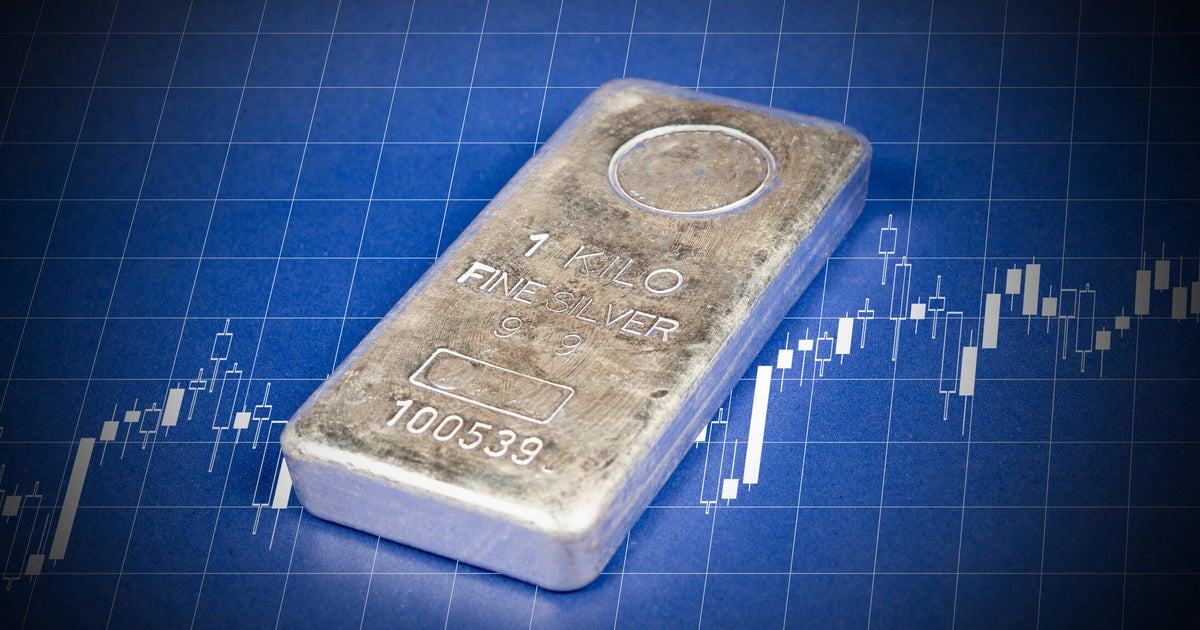
The spot price of silver reached $65.83 per ounce on September 1, 2026, marking an increase from its early 2025 levels. Data from precious metals dealers Priority Gold and Monex indicate the metal has grown by more than 200% since January 2025, when the price sat at $31 per ounce. While gold has also reached new records recently, silver has functioned as a lower-cost alternative for investors seeking to diversify portfolios.
The price surge follows a period of inflation and elevated interest rates that led many investors toward precious metals. According to Monex, silver prices are influenced by industrial demand in sectors such as electronics, solar panels, and artificial intelligence chips, in addition to its role as a traditional investment asset. Because the silver market is 10 to 15 times smaller than the gold market, it typically experiences higher price volatility.
Market data as of September 1 shows silver trading at $2.12 per gram and $2,116.43 per kilogram. For physical products, prices include dealer markups; for example, American Eagle coins were listed with an 'ask' price of $70.60, while 100-ounce bullion bars were priced at $6,714. Analysts note that silver prices generally move inversely to the U.S. dollar, with a weakening dollar typically pushing precious metal prices higher.
The price increase also impacts manufacturing costs for technology and renewable energy companies. Because silver is a primary component in solar panels and AI hardware, sustained high prices may influence the retail costs of electronics or the installation fees for green energy projects. A person purchasing physical silver would notice a difference between the "spot" price—the raw market value—and the "ask" price, which includes dealer premiums that can add to the final bill.
Future price stability remains tied to both industrial cycles and broader economic indicators. If industrial demand for green energy technologies remains high, demand for silver is expected to remain powerful. However, during economic downturns, industrial demand can drop, potentially driving silver prices down faster than gold. Investors and market observers will monitor economic data throughout September 2026 to see if the metal maintains its current support levels or encounters resistance.