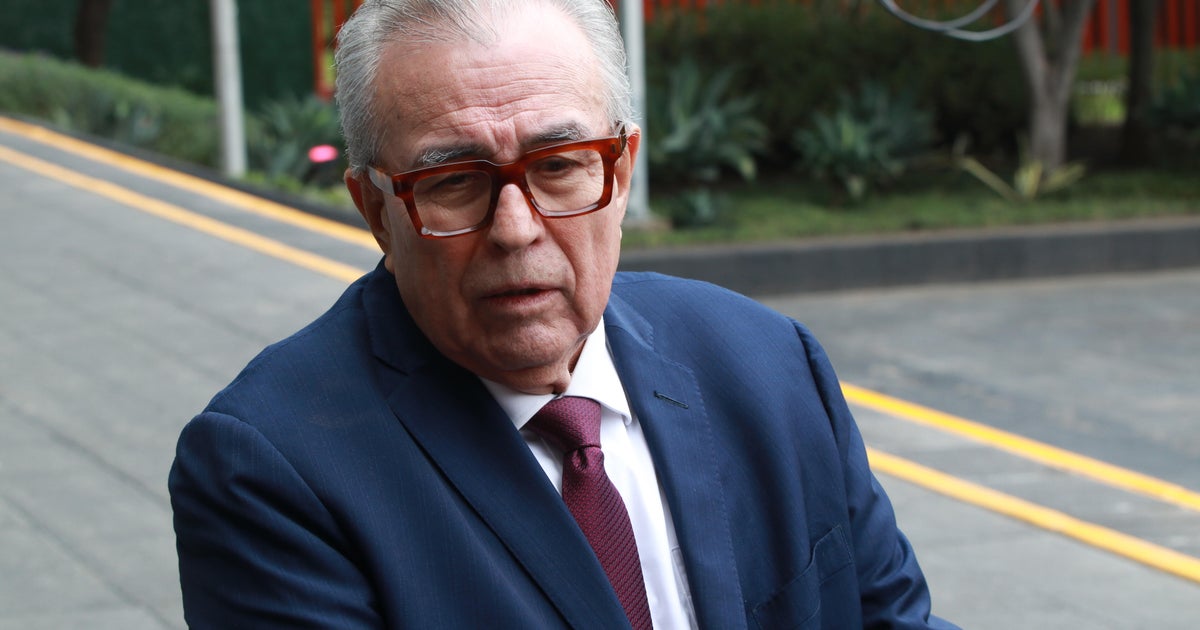
Sinaloa Governor Ruben Rocha Moya requested a leave of absence of indefinite duration on Saturday, less than 24 hours after he had returned to lead the northwestern Mexican state. Rocha Moya, who has served as governor since 2021, previously stepped away from the position in May to face an investigation by Mexican prosecutors. The governor stated on Friday that he had committed no crime and was resuming his leadership role before submitting the new request for leave to the state congress the following day.
The leadership change follows a federal indictment by the U.S. Department of Justice issued in April. The U.S. government charged Rocha Moya and nine other officials from Mexico's ruling Morena party with drug trafficking offenses and requested their extradition. Prosecutors alleged the officials colluded with the Sinaloa Cartel to distribute drugs within the United States. This marks the first time the U.S. has publicly filed charges against a sitting Mexican politician.
Mexican President Claudia Sheinbaum criticized the governor's brief return to office, stating on social media that "no personal interest can ever be placed above the interests of the people." When asked by reporters about Rocha Moya’s actions, Sheinbaum said she learned of his return through his social media posts. The 77-year-old governor is an ally of the president and was a close associate of former President Andres Manuel Lopez Obrador.
The scale of the legal risk for Rocha Moya is significant, as the federal charges include conspiracy to import narcotics and possession of machine guns and destructive devices. If convicted in a U.S. court, the former governor faces a mandatory minimum of 40 years in prison and a maximum sentence of life. This case sets a precedent for U.S. extradition demands involving active foreign officials, which has already prompted a response from the U.S. executive branch. The U.S. administration has used the threat of tariffs to pressure the Mexican government to increase its efforts against the six Mexican cartels designated as foreign terrorist organizations.
The next steps in this process depend on the Sinaloa state congress, which must authorize Rocha Moya’s request for an indefinite leave of absence exceeding 30 days. While the governor maintains his innocence, the U.S. Justice Department continues to seek his extradition to face the filed charges. The impact on international relations remains focused on whether the Mexican government will honor the extradition request or if the dispute will lead to the imposition of trade tariffs as previously suggested by the U.S. President.