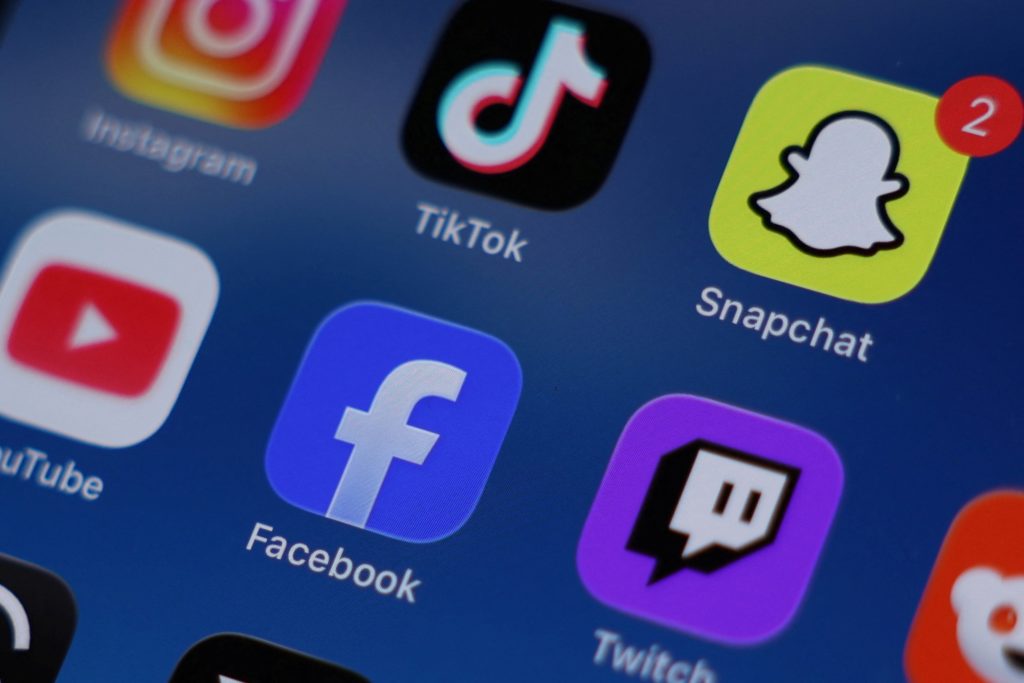
Social media companies including Meta, Google, TikTok, and Roblox are increasing their use of age-assurance technologies following a legal settlement and new state-level regulations. An $18 billion settlement announced in late August 2026 between Meta and 48 state attorneys general requires the company to refine how it identifies minor users. The agreement follows claims that Facebook and Instagram were designed to maintain the attention of young users in ways that affected their mental health.
At least 16 U.S. states have enacted laws to regulate how minors access social media platforms. These laws face legal challenges based on First Amendment concerns regarding data privacy and the potential for chilling effects on speech. All but one district court addressing the issue has held that these laws likely violate the First Amendment, and U.S. Supreme Court Justice Brett Kavanaugh recently characterized a Mississippi age-verification law as likely unconstitutional.
Technology companies currently use several methods to determine age, ranging from government-issued ID uploads to artificial intelligence (AI) estimation. Meta and Google analyze watch histories and "contextual clues," such as posts about school or birthday celebrations, to estimate age. Roblox and TikTok use video selfies and AI to analyze facial structures. Under the new settlement, Meta has one year to improve its detection tools, which will include regular outside audits and specific goals to reduce "false positives," where minors are incorrectly identified as adults.
The shift toward mandatory age verification creates new data privacy considerations. Organizations such as the Electronic Frontier Foundation state that these systems require users to link their offline identity to online activity, creating a risk that sensitive personal data could be leaked or misused. Additionally, experts cited by the Harvard Law Review note that these laws could lead to "age-gating" larger portions of the internet, potentially requiring age checks for news sites or neighborhood blogs. Some companies, including Meta, have proposed that app store operators like Apple and Google should handle verification, though those companies argue such a move would be ineffective for shared family devices or pre-installed apps.
What happens next depends on the outcome of ongoing litigation and the one-year implementation period established by the Meta settlement. Meta is required to refine its age-assurance approach by August 2027. Meanwhile, federal courts continue to review state-level age-verification mandates under strict or intermediate scrutiny to determine if they unconstitutionally burden free speech. The specific goals for false positive rates and the results of the first outside audits of Meta's technology have not yet been publicly reported.