Projections from Social Security trustees indicate the program’s main trust fund is on track to be depleted by late 2032. If the fund is exhausted, recipients would face a reduction in benefits of more than 20%. The issue has emerged as a topic in several 2026 midterm election contests as candidates debate methods to stabilize the program’s finances.
Social Security’s financial pressure is attributed to demographic factors, specifically an aging U.S. population. As more baby boomers claim benefits, fewer workers are paying into the system, requiring the agency to draw from its trust funds. Currently, the payroll tax is 12.4%, split equally between employers and employees, but it only applies to income up to $184,500.
In Michigan’s Senate race, Republican Mike Rogers suggested focusing on the elimination of fraud to address the shortfall, while Democrat Abdul El-Sayed expressed support for removing the cap on income subject to payroll taxes. An analysis of 20 Senate races by economist Jon Schwabish found that approximately half of the candidates surveyed support raising or eliminating this cap, while others have committed to protecting benefits without providing specific policy details.
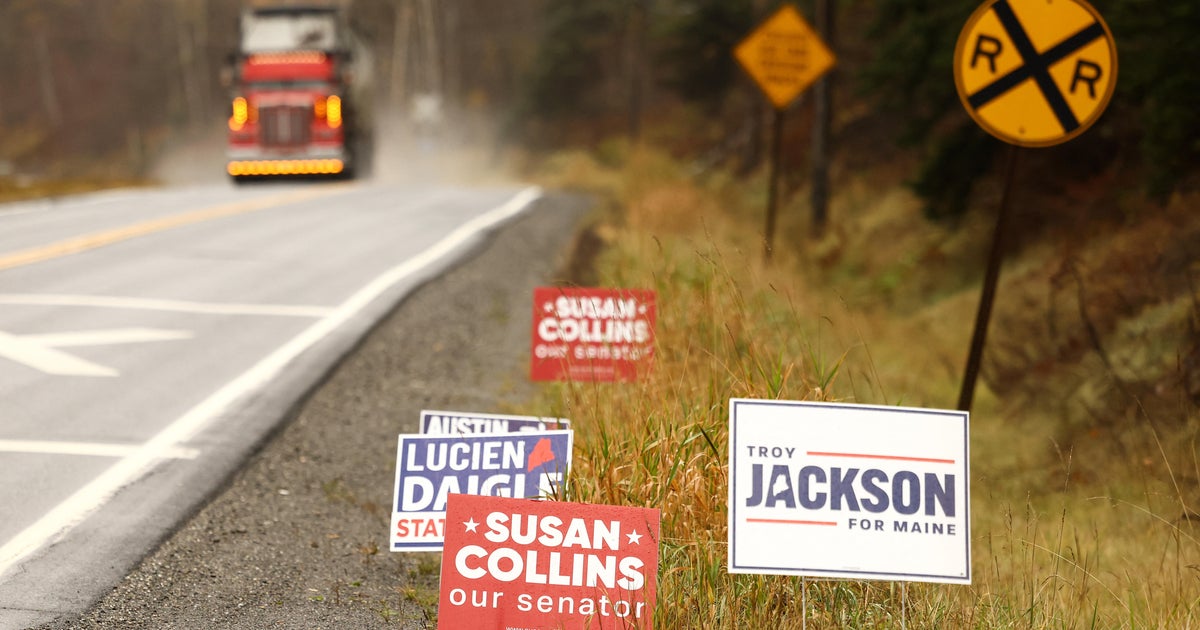
In Maine, which has the nation’s oldest population, approximately 390,000 residents—more than one-quarter of the state—received Social Security as of December 2025. Republican Senator Susan Collins has suggested a bipartisan commission to study solutions, including a potential increase to the earnings cap. Her Democratic challenger, Troy Jackson, has committed to eliminating the cap, arguing that high earners should pay into the system at the same rate as other workers.
The day-to-day change for workers would depend on which reform is adopted. If the income cap is raised or eliminated, individuals earning more than $184,500 would see an increase in their tax obligations, as the 6.2% employee portion of the payroll tax would apply to a larger share of their paycheck. Conversely, if no action is taken, the 2032 deadline represents the point when retirees and disabled workers would see their monthly checks reduced.
Policy decisions will impact federal budgeting and the solvency of other programs. A decision to raise taxes sets a precedent for how the federal government addresses demographic-driven shortfalls. What happens next depends on the results of the 2026 midterm elections, which will determine the composition of the Congress tasked with implementing reforms before the 2032 deadline. Specific legislative votes or new commission dates have not yet been scheduled.