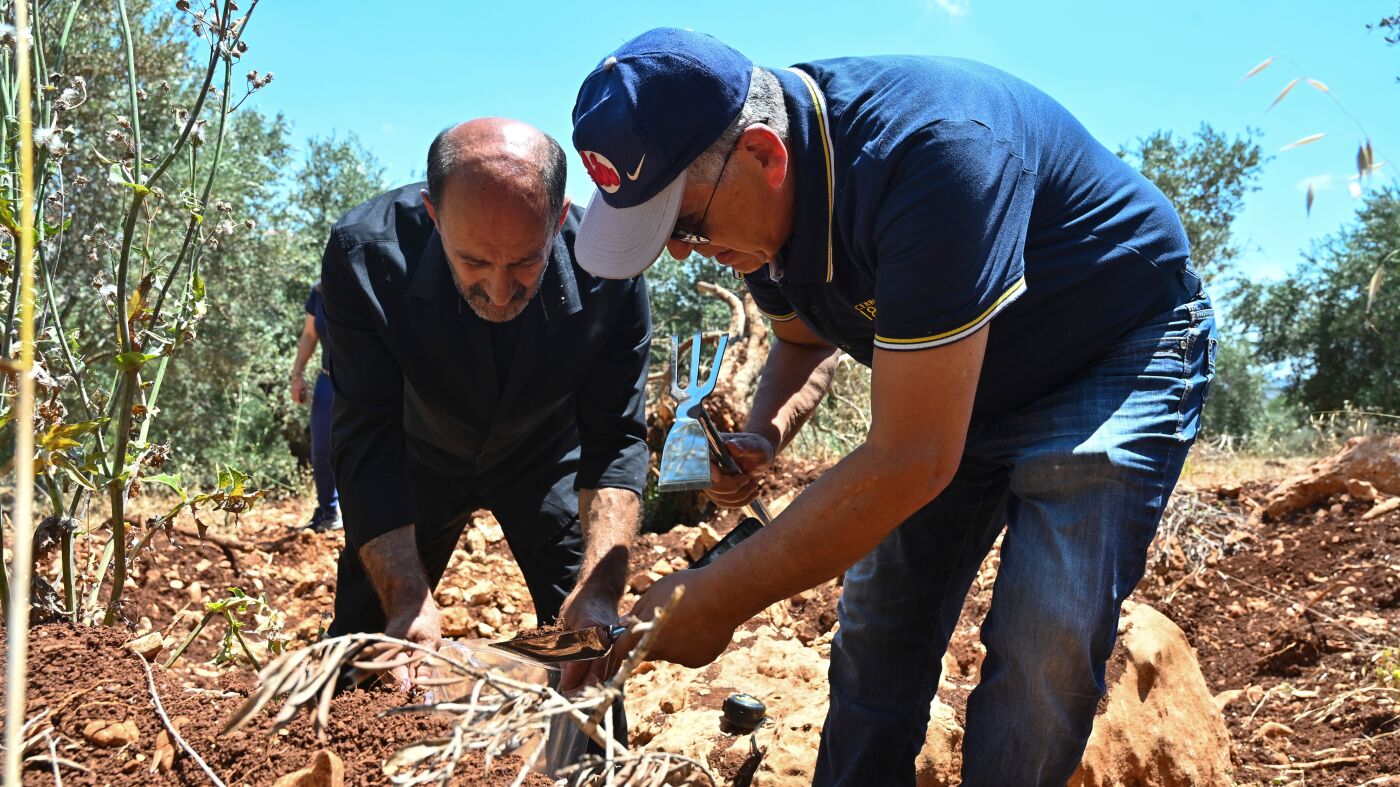
Testing of land in southern Lebanon following the conflict between Israel and Hezbollah has revealed significant soil contamination. Researchers reported finding high levels of heavy metals, the herbicide Glyphosate, and white phosphorus in soil samples taken from the region.
The contamination follows a period of warfare characterized by airstrikes and military operations in southern Lebanon. Talal Darwish, a soil scientist who has previously mapped soil health across the country, conducted the sampling at sites including the location of an airstrike to assess the environmental impact of the munitions and chemicals used.
According to the report, the conflict has resulted in the destruction of ecosystems and the scorching of agricultural fields. The presence of these specific chemicals and metals indicates a degradation of land quality that researchers stated will affect the environment for generations.
A person living in these areas would notice scorched fields and the physical destruction of their local landscape. The long-term presence of heavy metals and chemicals like white phosphorus in the soil means that residents may face risks to their land's productivity and health for an extended period, as the report states the damage will last for generations.
The presence of these contaminants sets a precedent for long-term environmental recovery efforts in post-conflict zones. The knock-on effects include the potential loss of valuable ecosystems that support local biodiversity. What happens next depends on further testing and remediation efforts; however, specific dates for cleanup or future governmental actions were not reported in the source.