The Plain Record

Neutral daily news — clear headlines, complete facts.

World

South African Families Launch Legal Challenges Seeking Apartheid-Era Reparations

Survivors and families of victims from the 1960 Sharpeville massacre are challenging a 1961 law to seek reparations for apartheid-era crimes.

Background: Birthright citizenship and the 14th Amendment, explained

Published October 17, 2026 at 7:05 AM EDT

The short answer

Survivors and families of victims from the 1960 Sharpeville massacre are challenging a 1961 law to seek reparations for apartheid-era crimes. Families of victims from the 1960 Sharpeville massacre and other apartheid-era incidents are pursuing new legal actions to seek reparations and accountability in South Africa.

South African Families Launch Legal Challenges Seeking Apartheid-Era Reparations

The Facts

Who
Sharpeville survivors, victims' families, and legal teams representing them.
What
A new wave of legal efforts in South Africa is seeking truth, accountability, and reparations for apartheid-era crimes, including a challenge to the 1961 Indemnity Act.
When
September 2026 and ongoing
Where
Sharpeville and Gauteng, South Africa
Why
Families seek to overturn the 1961 Indemnity Act that blocks legal redress in order to pursue reparations and accountability for past human rights violations.

Families of victims from the 1960 Sharpeville massacre and other apartheid-era incidents are pursuing new legal actions to seek reparations and accountability in South Africa. A group of survivors and descendants from Sharpeville filed an application in the Gauteng High Court in September 2026 to challenge the Indemnity Act 61 of 1961. This law currently blocks legal redress for actions taken during that period.

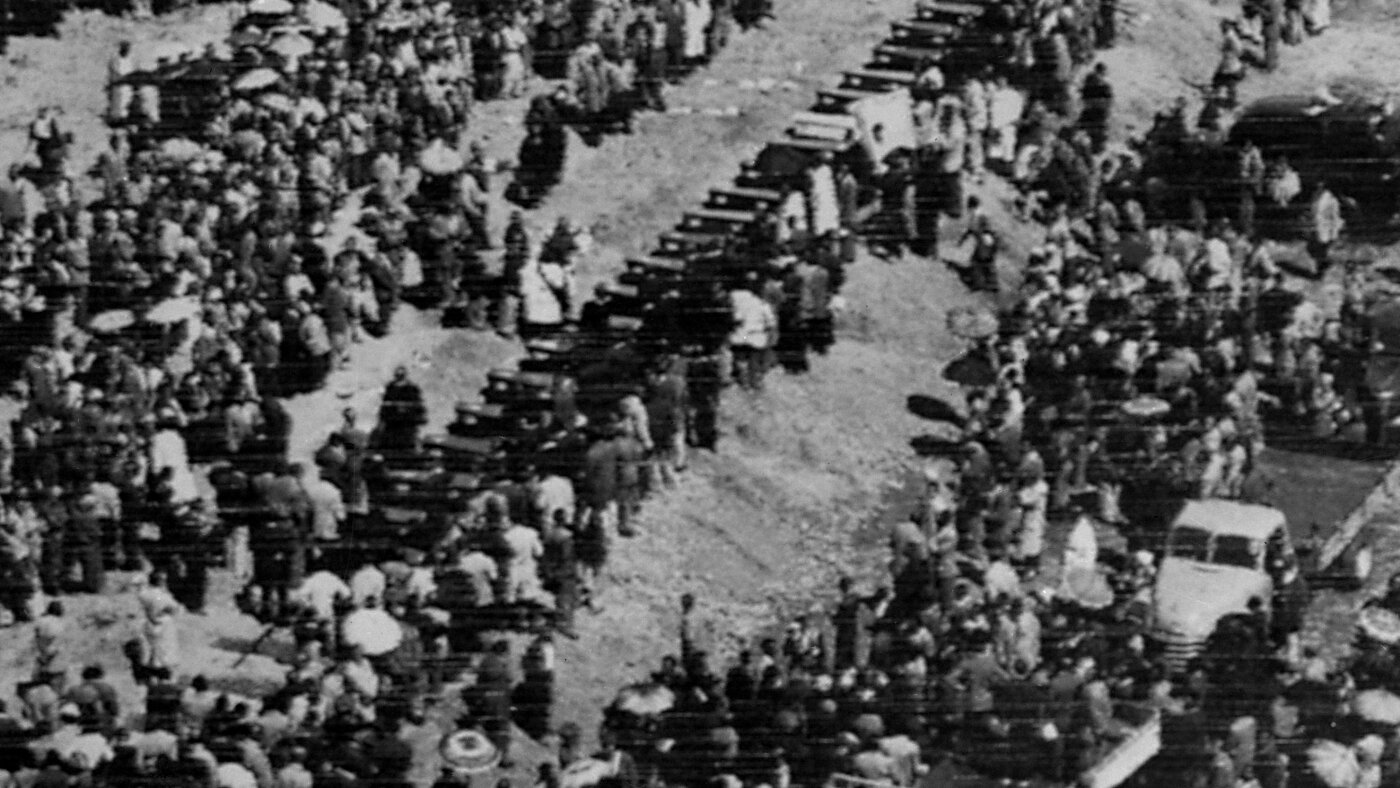
The Sharpeville massacre occurred on March 21, 1960, when police opened fire on Black protesters demonstrating against pass laws, which controlled where Black citizens could live and work. The shooting resulted in at least 69 deaths. While the Truth and Reconciliation Commission (TRC) was established in the 1990s to address human rights violations, hundreds of its recommendations for prosecution were never carried out.

The current legal challenge aims to have the Indemnity Act declared unconstitutional. If successful, the move would allow for the certification of a class action lawsuit, enabling survivors and the families of those killed to file claims for individual damages. The lawsuit is part of a wave of reopened inquiries, including recent inquests involving the deaths of activists Steve Biko, Chief Albert Luthuli, and the "Cradock Four."

The scale of the issue involves hundreds of cases identified by the TRC that were either delayed or never prosecuted over the last three decades. A successful challenge to the 1961 Indemnity Act would set a precedent, potentially opening the door for others across South Africa to seek damages for historical grievances. For claimants like Paulina Mathinye, whose father was a primary breadwinner killed in 1960, reparations could result in concrete changes such as home repairs and funding for her four grandchildren’s education.

A formal government inquiry is currently investigating whether there was a secret agreement between former apartheid leaders and the new government to suppress these prosecutions. The findings of this inquiry, which could influence future policy regarding state accountability and the legal rights of victims, are expected in December 2026. The Gauteng High Court's decision on the constitutionality of the Indemnity Act will determine whether these families can proceed with their damages claims.

Timeline of what happened

Key dates and decisions, in the order they occurred.

  1. March 21, 1960

    Police fire on protesters in Sharpeville, killing at least 69 people.

  2. 1961

    The Indemnity Act 61 is enacted.

  3. 1967

    Chief Albert Luthuli dies; police claim he was struck by a train.

  4. 1977

    Steve Biko dies in police detention.

  5. 1985

    Four anti-apartheid activists known as the 'Cradock Four' are killed.

  6. 2025

    Court rules Chief Albert Luthuli was beaten to death by police.

  7. September 2026

    Lawyers file application to challenge the Indemnity Act in Gauteng High Court.

  8. December 2026

    Findings due for inquiry into shelved TRC recommendations.

Summaries are written by The Plain Record to state the facts of a story plainly and without political slant. Drafted with AI assistance and checked against the source record before publication. See how we report, or report a correction.

← Back to the front page

Questions readers ask

What happened: South African Families Launch Legal Challenges Seeking Apartheid-Era Reparations?

A new wave of legal efforts in South Africa is seeking truth, accountability, and reparations for apartheid-era crimes, including a challenge to the 1961 Indemnity Act.

Who is involved?

Sharpeville survivors, victims' families, and legal teams representing them.

When did this happen?

September 2026 and ongoing

Where did this happen?

Sharpeville and Gauteng, South Africa

Why does this matter?

Families seek to overturn the 1961 Indemnity Act that blocks legal redress in order to pursue reparations and accountability for past human rights violations.