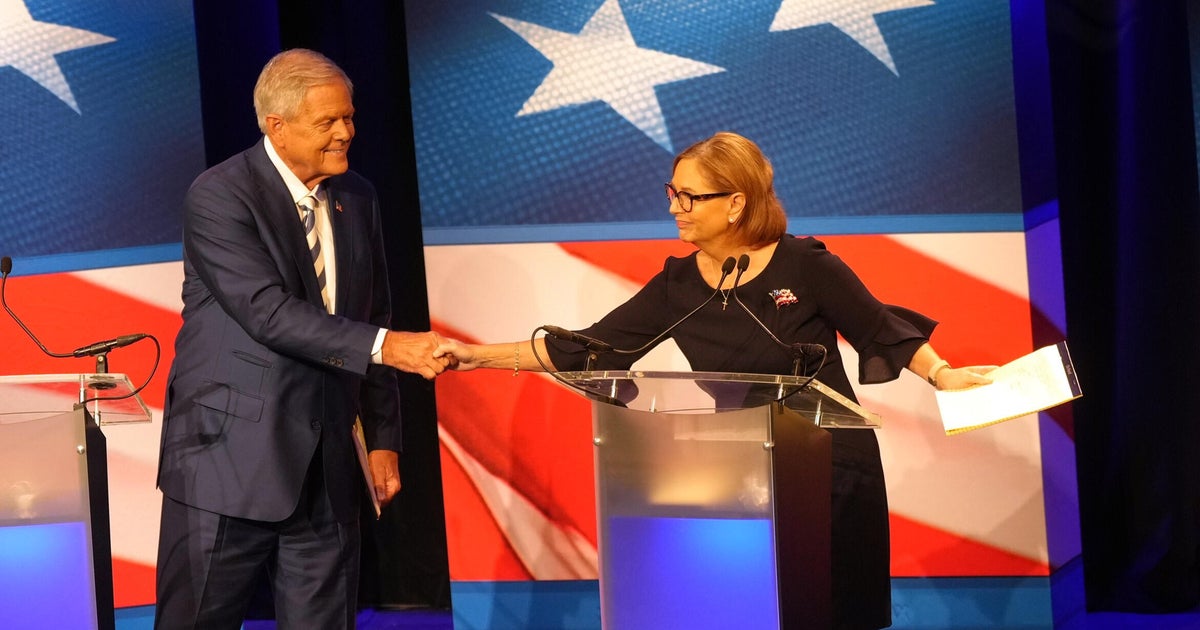
South Carolina Sen. Darline Graham and Rep. Ralph Norman debated on Tuesday ahead of a Republican primary runoff to fill the U.S. Senate seat vacated by the late Lindsey Graham. During the exchange, Sen. Graham said she was "not that informed on national security" when asked about Taiwan and the South China Sea, while emphasizing her support for the military.
The runoff follows the July 11 death of Sen. Lindsey Graham, who passed away after a brief illness. Following his death, his sister, Darline Graham, was appointed to the seat and has held the position for six weeks. In the primary held on August 11, both Graham and Norman advanced to the runoff, with Norman characterizing Graham as an "unknown candidate" who represents mainstream Washington.
In response to the question on Taiwan, Rep. Norman highlighted the importance of the island's semiconductor production and supported presidential efforts to enable Taiwanese self-defense. While Sen. Graham initially stated her lack of information on the specific regional topic, she later described China as a national security threat and advocated for bans on Chinese interests ranging from artificial intelligence to farmland. Both candidates expressed support for Donald Trump, recognized Israel as an ally, and supported a ban on birthright citizenship.
For South Carolina residents, the choice between the two candidates involves different approaches to legislative experience and policy focus. Sen. Graham, who has served 20 days in the Senate, has already participated in confirming Attorney General Todd Blanche and co-sponsoring the SAVE America Act, a bill concerning voter eligibility. A person living in the state would see the results of this choice reflected in how their senator votes on international trade with China, military spending, and federal policies regarding birthright citizenship and land ownership by foreign entities.
The election also tests the influence of national endorsements and the precedent of hereditary political transitions. Sen. Graham carries the endorsement of Donald Trump, while critics like former Governor Nikki Haley have questioned the transfer of political expertise within a family. The final decision rests with Republican primary voters on August 25, who will select the candidate to represent their interests in the Senate through the end of the decade. The winner of the runoff will immediately move toward the general election campaign against Andrews.