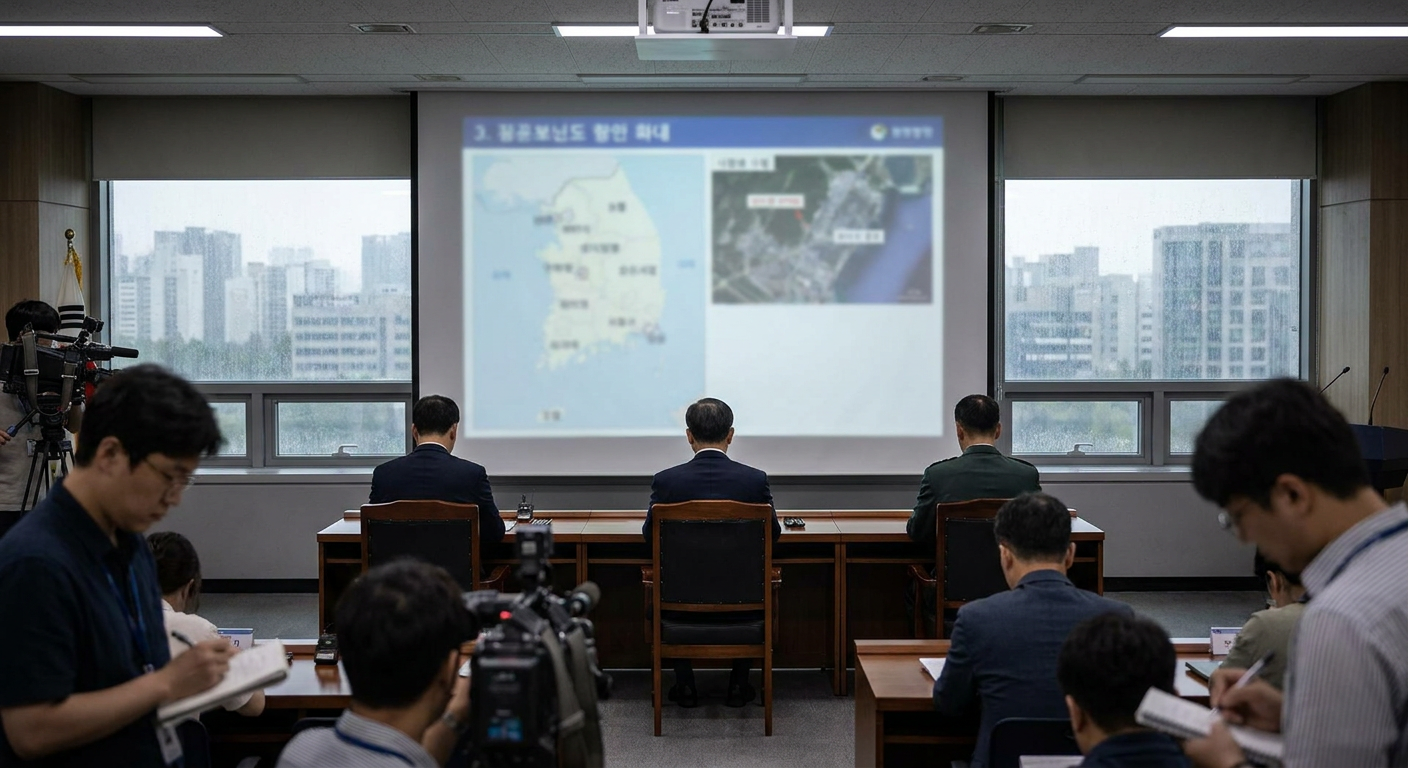
South Korea's Defence Ministry stated that North Korea is continuing preparations for additional troop deployments to Russia, though it has not detected signs that a move is imminent. The assessment was released through the office of South Korean lawmaker Yu Yong-weon on Monday. The report follows a denial by Kim Yo Jong, sister of North Korean leader Kim Jong Un, regarding claims by Ukrainian President Volodymyr Zelenskiy that Pyongyang planned to send 50,000 more troops to assist Russia.
Military cooperation between North Korea and Russia has expanded since the 2022 invasion of Ukraine. According to assessments from South Korea, Ukraine, and Western nations, North Korea has supplied artillery ammunition and missiles since 2023 and began deploying troops in 2024. While Moscow and Pyongyang have previously denied these arms transfers, the South Korean ministry estimated that North Korea has provided more than 15 million rounds of 152-millimetre equivalent artillery ammunition to date.
The ministry's statement further detailed that North Korea continues to supply weapons systems, including short-range ballistic missiles. A South Korean Defense Intelligence Agency assessment suggested these missiles may have improved in accuracy due to combat data gathered in Ukraine, as well as technical advice and components provided by Russia. Additionally, the ministry reported that North Korea is preparing its Hwasong-12 intermediate-range ballistic missile, which has the range to reach the U.S. territory of Guam, for operational deployment.
The deployment of troops and advanced hardware creates a new precedent for military alignment between Moscow and Pyongyang. For residents of Guam and the U.S. mainland, the ministry's report highlights a concrete change in the operational status of weapons systems; specifically, the Hwasong-12 is now reportedly moving toward active deployment. While North Korea’s intercontinental ballistic missiles have the theoretical range to reach the U.S. mainland, the ministry noted that key technologies like warhead re-entry have not yet been verified because previous tests were conducted on lofted trajectories rather than standard flight paths.
The reported cooperation also impacts regional security in East Asia. The ministry stated that several North Korean ballistic missiles and multiple rocket launchers designed for use against South Korea are nearing completion. The knock-on effects include potential shifts in South Korean defense policy and increased pressure on international sanctions regimes. What happens next depends on the verification of further troop movements; however, the ministry noted that as of August 24, there were no indicators of an immediate departure for the next wave of personnel.