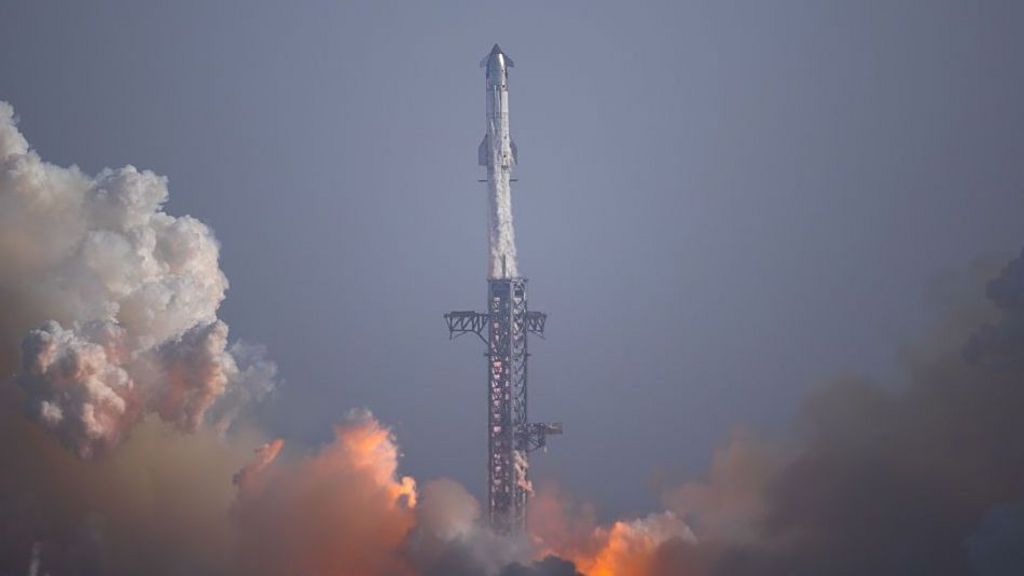
SpaceX announced on Tuesday that it will build a $100 billion launch facility in Louisiana, marking the company's largest site to date. The project, named Starbase, is scheduled to begin construction next year and will cover 125,000 acres. The facility is intended to support the company's Starship program for missions to Earth orbit, the Moon, and Mars.
The company, led by Elon Musk, currently operates from its headquarters in Texas and additional sites in Florida. The Louisiana expansion follows a June event in which SpaceX shares began trading on the Nasdaq in what was described as the largest stock market debut in history. The company stated it aims to conduct the first Starship flight from the new Louisiana location in 2029.
According to SpaceX, the new facility will create more than 3,000 jobs in the region. The Louisiana Economic Development agency reported that the average wage for workers at the base is expected to be 192% higher than the current mean salary for the region. The site will be designed to accommodate thousands of Starship flights annually.
The scale of the $100 billion investment represents a major expansion of the private aerospace infrastructure in the United States. While SpaceX already has established footprints in Texas and Florida, this facility is described as its largest, indicating a move toward higher-frequency operations. The company stated the site is intended to support "thousands of flights a year," which would require a significant increase in local logistical support, energy consumption, and transportation infrastructure to manage the volume of Starship missions.
The project sets a precedent for large-scale private spaceport development outside of federal government property. The knock-on effects include potential growth in secondary industries such as aerospace manufacturing and specialized maintenance in Louisiana. Residents will likely notice the start of construction activities in 2027. Following the construction phase, the company aims to reach operational status with its first mission from the site by 2029. Future milestones will depend on construction timelines and regulatory approvals for the 125,000-acre development.