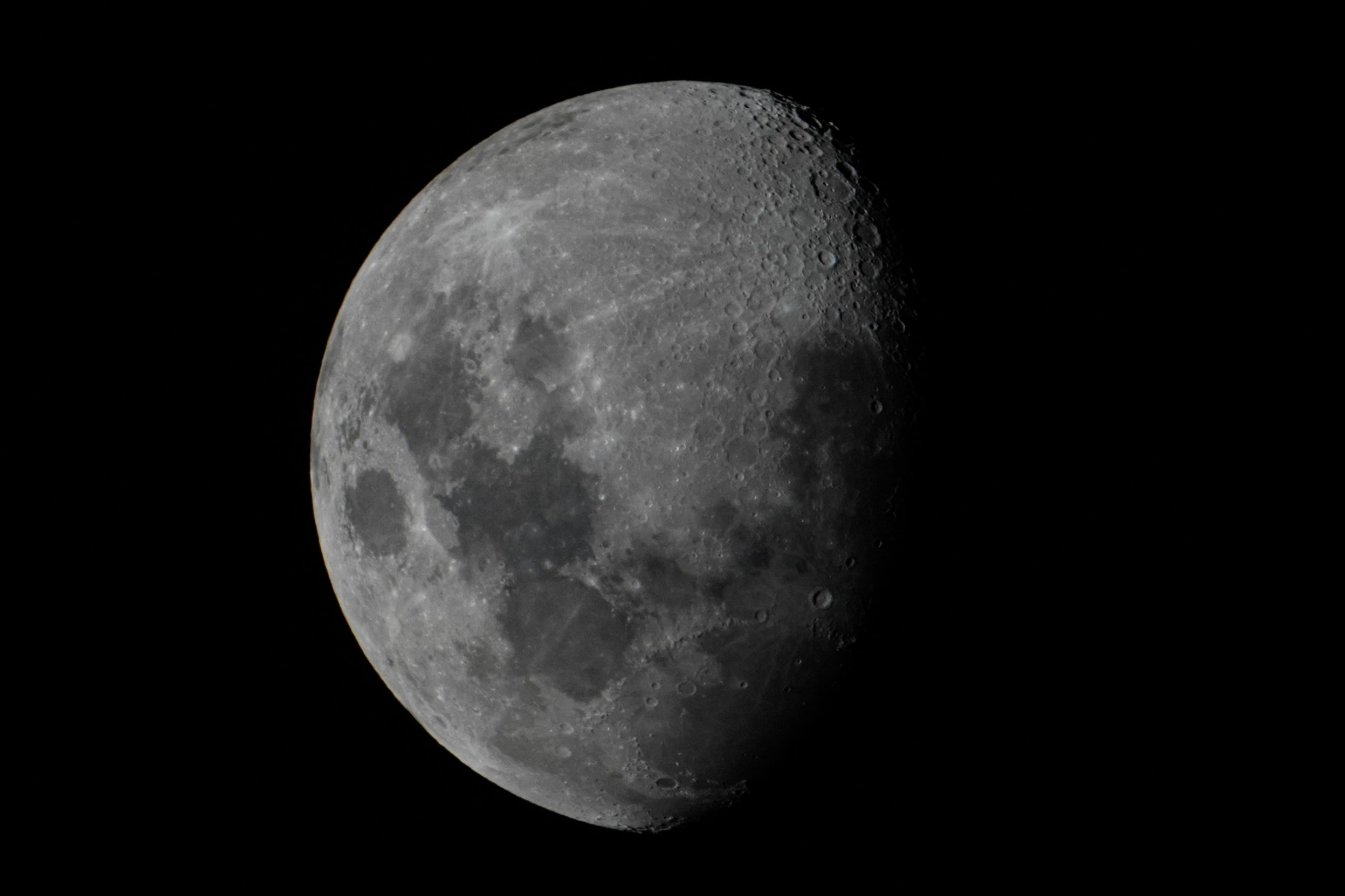
A discarded SpaceX rocket stage is projected to impact the moon on August 5, according to calculations by space tracking specialists. The object is the upper stage of a Falcon 9 rocket that launched from Cape Canaveral, Florida, in January 2025.
The rocket component has been adrift in space for approximately 19 months. It originally carried lunar landers for Firefly Aerospace and ispace before entering a chaotic orbit. Space tracking expert Bill Gray reported that the impact is not part of a planned mission but is the result of the stage's orbital trajectory following its deployment duties.
The hardware is estimated to be 40 feet long and weighs approximately 10,000 pounds. It is expected to strike the lunar surface at 2:35 a.m. EST at a speed of 5,400 mph. The collision is predicted to occur near the Einstein Crater on the moon's western limb, potentially creating a new crater 89 feet wide and 16 feet deep.
The scale of the event involves a single 5-ton piece of orbital debris striking a specific 90-foot area of the moon. For the broader space industry, this incident highlights the long-term behavior of discarded rocket stages. While modern missions often attempt to de-orbit equipment into Earth's atmosphere or nudge it into a permanent solar orbit, this particular stage remained in a high Earth orbit influenced by the gravity of both the Earth and the moon, leading to this unintended collision.
The knock-on effects of such impacts are primarily scientific. NASA and other space agencies may use orbiting satellites, such as the Lunar Reconnaissance Orbiter, to photograph the site afterward. These observations help geologists calibrate models of how impacts shape planetary bodies. What happens next is the predicted impact on August 5, 2026. Following the crash, researchers will wait for lunar satellites to pass over the coordinates to confirm the exact location and dimensions of the new crater.