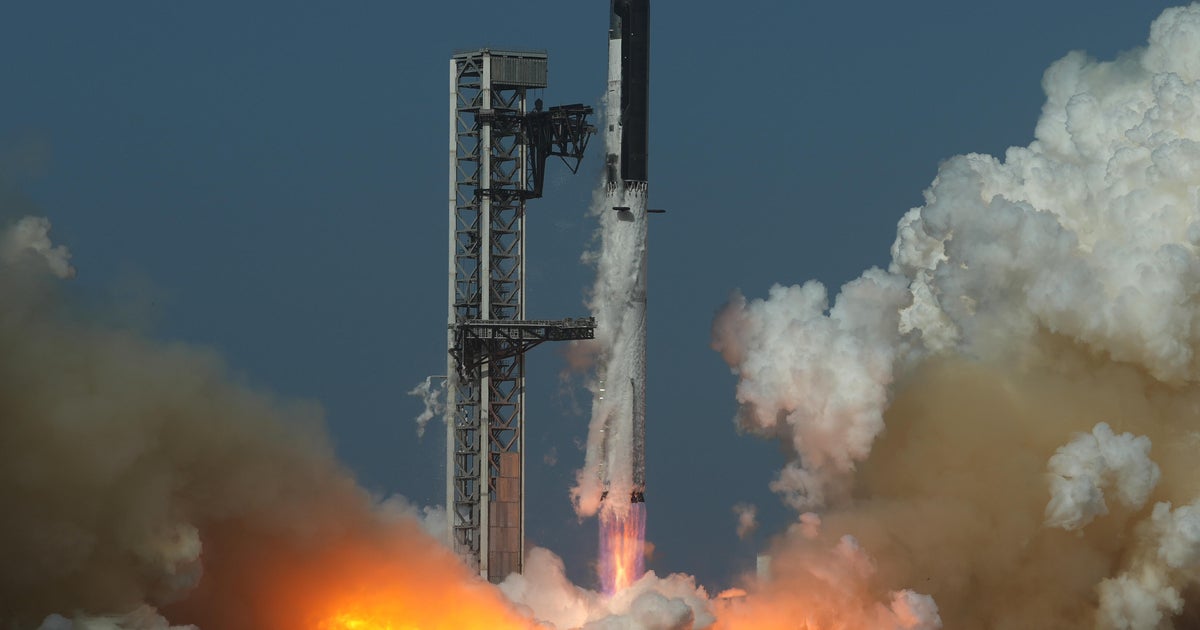
SpaceX launched its 13th Super Heavy-Starship test flight from its Starbase facility in Texas on Friday. The 397-foot-tall rocket, powered by 33 methane-fueled Raptor engines, successfully lifted off at 5:51 p.m. ET. During the mission, the Starship upper stage reached space, deployed 20 Starlink satellites, and performed an engine restart test before a controlled splashdown in the Indian Ocean.
The first-stage Super Heavy booster experienced mechanical difficulties during its descent. SpaceX reported that the "boostback" burn ended prematurely and only five of the required engines appeared to be functioning during the final landing maneuver. This resulted in a high-speed splashdown in the Gulf of Mexico rather than a controlled descent. The company had previously opted for a water landing as a safety measure for this specific version-3 hardware test.
The flight served as a benchmark for NASA's Artemis program, which intends to use a modified Starship as a lunar lander. NASA officials have stated that the program's success depends on SpaceX's ability to demonstrate orbital refueling through multiple tanker launches. A Government Accountability Office (GAO) report released Thursday noted that SpaceX is more than a year behind its original schedule for critical milestones, citing propellant transfer and engine reliability as primary technical risks.