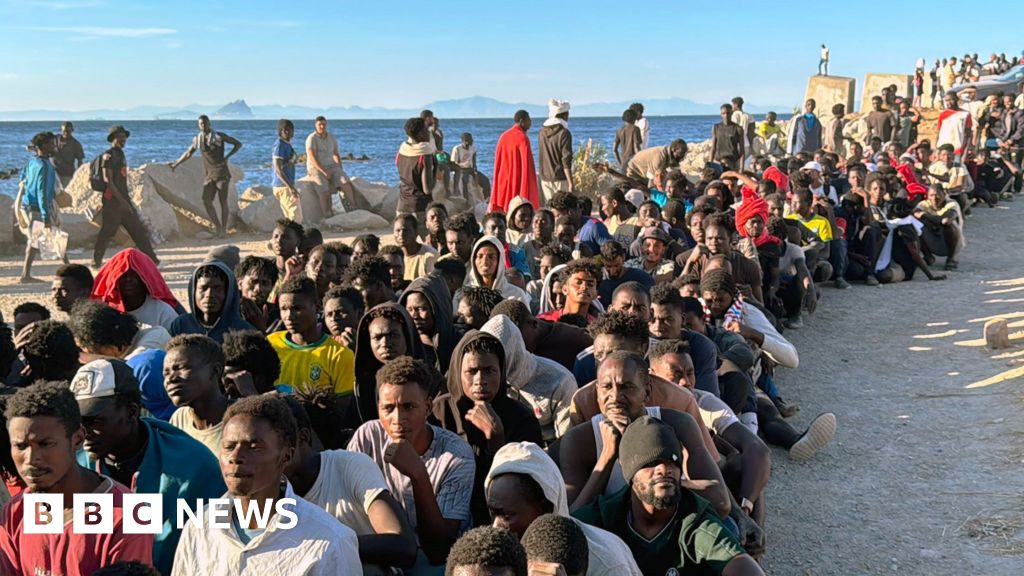
Spain has warned Italy that it will implement counter-measures if border controls introduced following a mass migration event in the Spanish exclave of Ceuta are not lifted. The Spanish government described the new restrictions as unjustified and discriminatory, setting a deadline of Sunday, August 9, for Italy to reverse its decision. In response, Italian officials stated they would not accept ultimatums and intend to maintain the checks until at least August 15.
The diplomatic disagreement follows the arrival of approximately 78,000 migrants from Morocco to Ceuta by sea over the course of two days, Thursday and Friday of last week. Approximately 100 people died during the crossings. In the aftermath, Italy partially suspended its participation in the Schengen arrangement with Spain—the European Union agreement that typically allows for passport-free travel. These measures included closing maritime and air entry points and reinforcing land border controls to prevent migrants from reaching Italy.
Italy justified the suspension by stating it intends to prevent those who entered Ceuta from traveling further into the European Union. However, Madrid dismissed this reasoning, arguing that migrants in Ceuta have no way of entering the broader Schengen area and noting that most have already returned to Morocco. While social media reports have suggested a possible second wave of crossings, the Spanish prime minister's office stated they are monitoring the situation but do not anticipate a repeat of last week's events.
The scale of the disagreement involves billions of dollars in trade and tourism infrastructure that relies on the border-free Schengen area, which Italy has partially suspended for a minimum period ending August 15. While Spain has not specified the exact nature of its "proportionate measures," any retaliatory trade or travel restrictions would impact businesses and logistics operators moving goods between the two Mediterranean nations. The tension also involves Morocco, which blames a Spanish Supreme Court ruling—which prohibited the summary return of migrants stopped at sea—for the recent influx.
The situation sets a precedent for how EU member states respond to sudden migration pressures and whether internal border controls become a standard tool for managing such events. Italy’s stance has gained support from Finland and Denmark, while the Czech Republic has suggested a temporary suspension of Spain's Schengen membership. The next critical date is Sunday, August 9, Spain's deadline for Italy to lift the controls. If Italy maintains the restrictions until its self-imposed date of August 15, the Spanish government has stated it will introduce currently unspecified measures to protect its national interests.