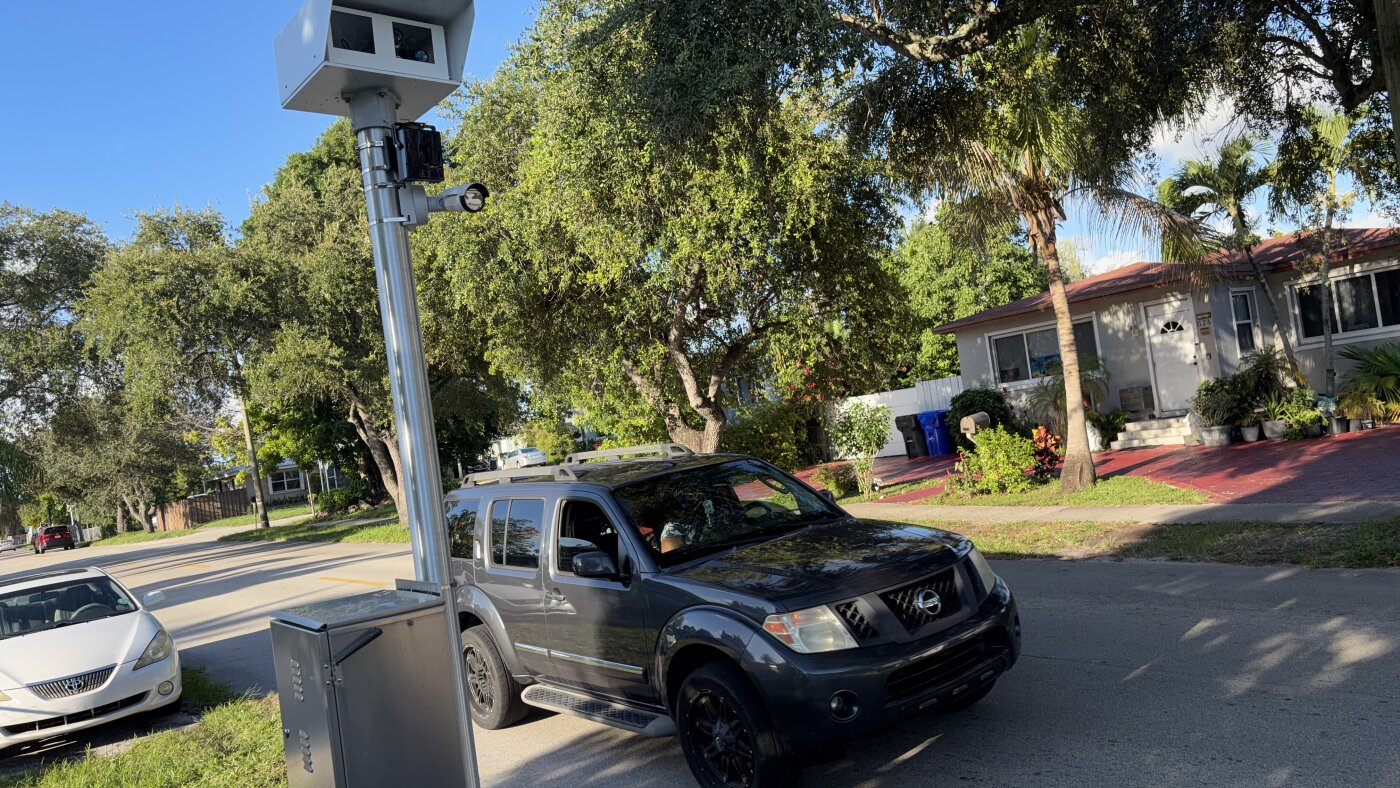
Automated speed cameras are expanding into more U.S. states, leading to a divide between safety advocates who credit them with reducing crashes and drivers who characterize the programs as revenue-generation tools. Florida recently joined California, Hawaii, Michigan, and Minnesota in authorizing the use of these cameras, bringing the total to more than two dozen states. While implementation varies, the programs generally use cameras to detect and ticket drivers exceeding speed limits in specific areas.
The expansion comes amid a shift in federal guidance regarding traffic safety measures. The Federal Highway Administration (FHWA) recently removed speed cameras, bike lanes, and other speed-related measures from its "Proven Safety Countermeasures" list. The agency stated the change is part of a review to ensure recommendations align with the priorities of the Trump administration.
Advocates point to data supporting the cameras' effectiveness. Raul Avelar of the Insurance Institute for Highway Safety cited U.S. studies showing cameras can reduce speeding by 70% or more, with one Maryland study reporting a 39% reduction in the likelihood of serious injury. Conversely, critics such as Ted Hollander of The Ticket Clinic argue that cameras operating in school zones during mid-day hours—when children are in class—function as an "illegal tax" rather than a safety measure.
The scale of the impact is significant, as programs move into major metropolitan areas. San Francisco and Oakland activated cameras earlier this year, and Los Angeles is scheduled to begin enforcement within the next few months. While specific ticket costs were not reported, the implementation in these high-traffic areas will result in a higher volume of automated citations for residents and commuters. For low-income drivers or those in high-traffic corridors, these automated fines could represent a recurring monthly expense if driving habits do not change.
The removal of speed cameras from the FHWA's "Proven Safety Countermeasures" list sets a new federal precedent that may influence how other states or municipalities prioritize their safety budgets. While federal guidance has shifted, local programs like California's continue to move forward with their own safeguards and revenue-allocation rules. The next significant development will be the activation of cameras in Los Angeles, which will serve as a test for public acceptance in a city characterized by its heavy car usage. Drivers in Los Angeles can expect these cameras to become active in the coming months.