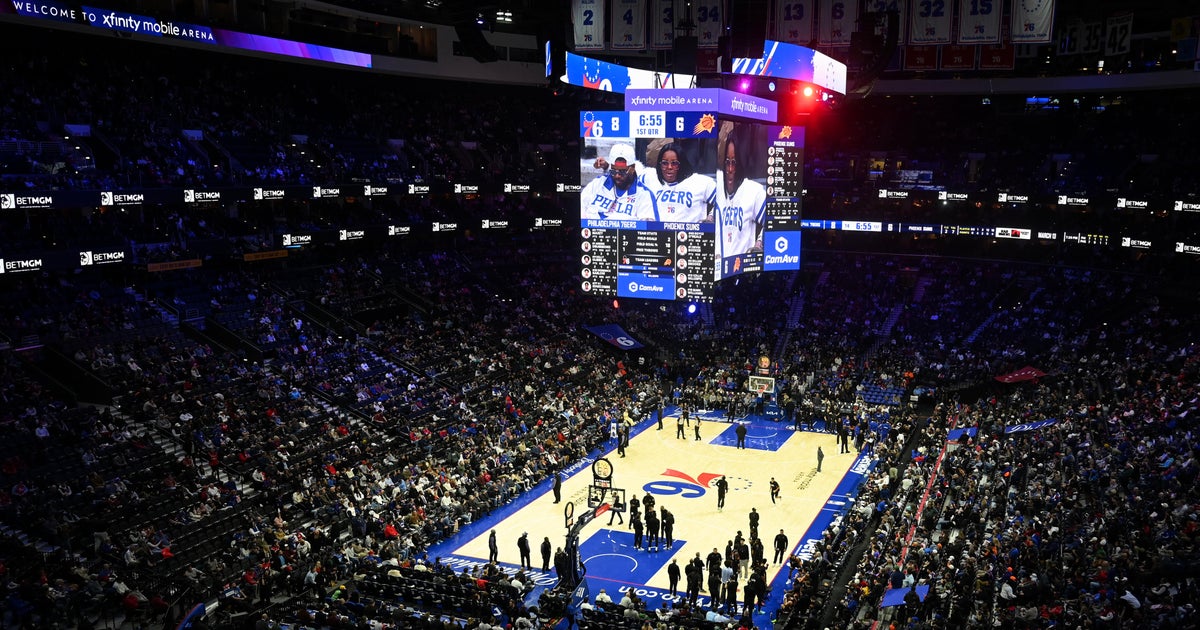
Data from the Consumer Price Index shows that the cost of attending live sporting events has increased 123% since 2000. This rate of growth exceeds the general rate of inflation over the same period. A CBS News analysis indicates that as professional sports franchises build new venues or renovate existing ones, they are frequently reducing overall seating capacity while increasing the number of premium offerings such as luxury suites and club seating.
The shift toward smaller, more specialized venues is visible across the four major North American sports leagues. According to the analysis, stadiums and arenas built since 2000 have collectively reduced total seating by nearly 90,000 spots. For example, the new Highmark Stadium for the Buffalo Bills is designed with a capacity of approximately 60,000, a 16% decrease from the team's previous venue which had a capacity of more than 71,000. Similarly, Globe Life Field for the Texas Rangers features 16% fewer seats than its predecessor but includes 130 suites and more than 3,000 club seats.
Renovations of existing structures have also resulted in fewer seats. Hard Rock Stadium in Miami saw a reduction of 10,692 seats during its 2015-16 remodel, and Soldier Field in Chicago cut 5,444 seats during a 2003 renovation. Mike Vorkunov, a sports business writer for The Athletic and The New York Times, stated that owners are incentivized to treat franchises as businesses to maximize annual profits, particularly after paying billions of dollars to acquire teams.
Vorkunov noted that the costs of operating a franchise have risen beyond player salaries, citing increased expenses for travel, technology, scouting, and front-office personnel. These rising operational costs, combined with high franchise acquisition prices, have led teams to prioritize premium seating options that generate higher revenue per customer. Several teams, including the Chicago Bears, Kansas City Chiefs, and Philadelphia 76ers, are currently planning new venues to be built within the next five years.
The scale of this trend involves tens of thousands of lost seats across the NFL, MLB, NBA, and NHL. In Buffalo, the 16% reduction in capacity means approximately 11,000 fewer people can attend games at the new Highmark Stadium compared to the old one. The team has already generated $65 million from the sale of 3,600 club suite licenses. As teams across the country move toward these models, the change for fans is a decrease in the availability of seats for the average fan and an increase in the price of the remaining inventory.
The knock-on effects reach into the broader sports ecosystem, where teams are increasingly reliant on corporate spending and high-net-worth individuals. This sets a precedent where new venues are intentionally designed to be smaller to create scarcity and justify premium pricing. The Chicago Bears, Kansas City Chiefs, Dallas Stars, Washington Commanders, and Philadelphia 76ers are all planning new facilities within the next five years. Fans will see if these new developments continue the trend of trading total capacity for higher-revenue luxury amenities.