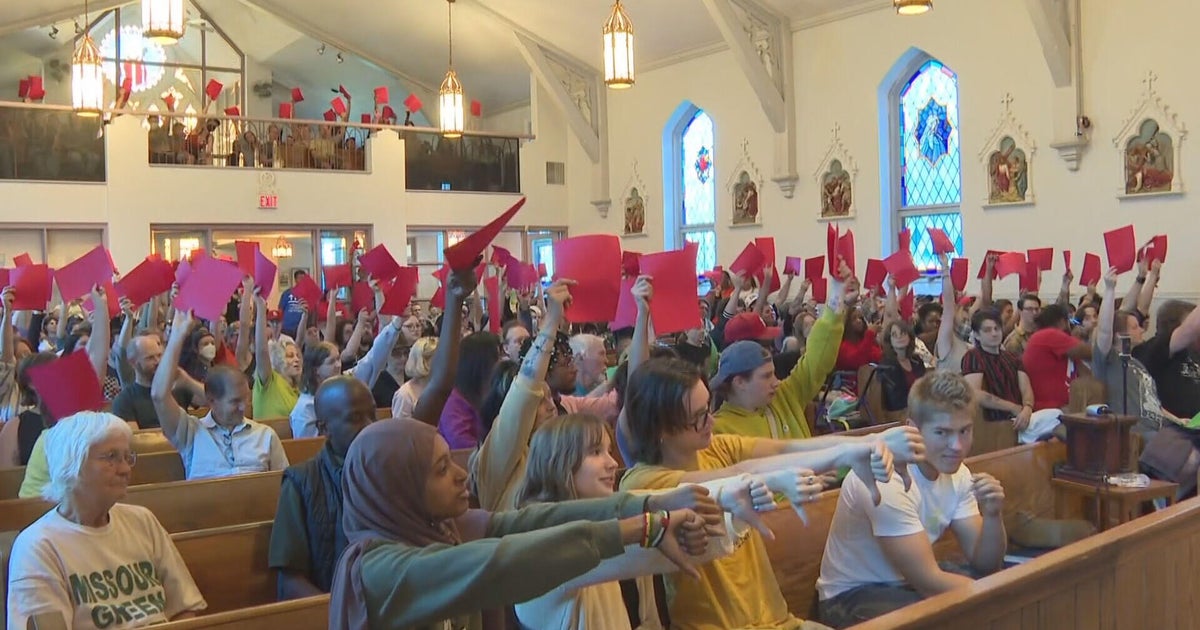
A group of St. Louis residents filed a lawsuit on Friday to halt a proposed billion-dollar data center development at a warehouse site near the historic Armory building in Midtown. The project, led by TerraWatt CEO David Daneshforooz, involves converting approximately one million square feet of old warehouse space into a facility intended to support artificial intelligence and data storage. The legal action follows a virtual five-hour hearing at St. Louis City Hall on March 19, 2026, where residents expressed concerns regarding environmental impacts and electricity demands.
The litigation in St. Louis reflects a broader national and statewide trend as technological companies expand data center infrastructure. In Missouri, several municipalities have taken steps to limit such developments; the City of St. Charles passed a yearlong ban on data center construction, while St. Charles County implemented a six-month moratorium. In Festus, Missouri, a similar project has led to a recall effort against the mayor and the voting out of multiple city council members. St. Louis County officials are currently drafting rules to regulate future data center construction.
Kasey Fowler-Finn, a biologist at Saint Louis University and a plaintiff in the lawsuit, stated that the project lacks transparency, specifically citing the absence of a low-frequency sound study or an environmental impact assessment. TerraWatt developers have pledged to invest hundreds of millions of dollars into the local school system, utilize a closed water system, and pay for their own electricity. Daneshforooz argued that the project would revitalize decaying infrastructure and suggested that domestic data centers are necessary to ensure American data remains under U.S. regulatory control rather than in foreign countries.
The debate has also entered the national political arena, as Donald Trump stated on social media that communities opposing data centers risk becoming "backwards and poor." He argued the facilities lead to lower taxes and job growth. Conversely, several Republican lawmakers in Missouri have moved to draft legislation intended to regulate the spread of these developments.
St. Louis City Hall has conceded that the Midtown project is not fully funded and faces similar legal challenges as those seen in neighboring counties. What happens next depends on the court's response to the lawsuit filed on Friday and the progress of legislative efforts at the state level. In St. Louis County, officials are continuing to draft new zoning rules, while the St. Charles ban remains in effect.