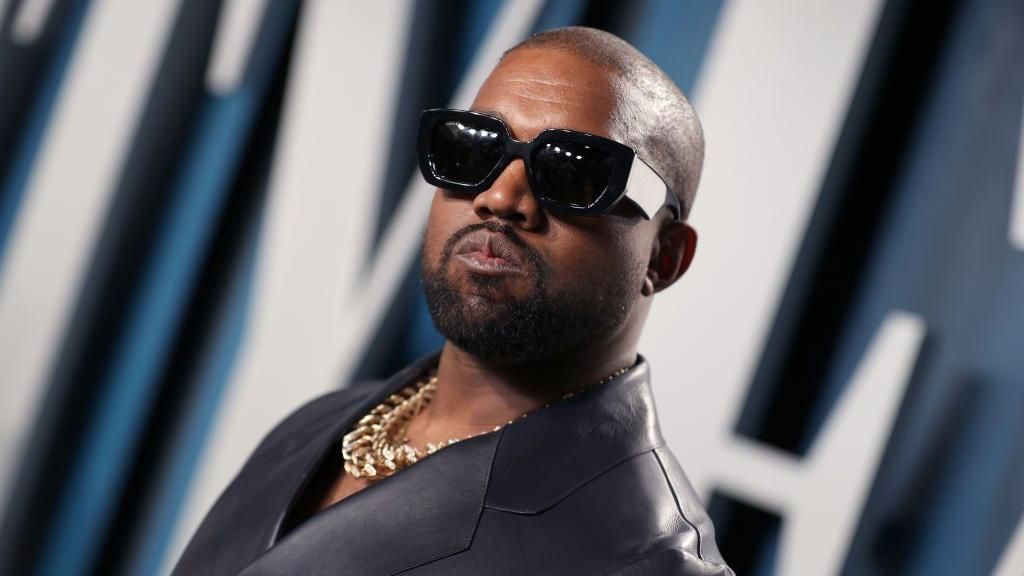
The Gazprom Arena in St. Petersburg, Russia, announced via social media that it will no longer host two scheduled concerts by the artist Ye, formerly known as Kanye West. The stadium management stated that no rental agreement had been signed with the event organizers and concluded that the concerts cannot take place at the venue. These shows would have marked the first performance by a major Western artist in Russia since the 2022 invasion of Ukraine.
The cancellation follows a period of public scrutiny regarding West's history of antisemitic remarks and public behavior. While the rapper recently issued an apology and attributed his actions to a manic episode related to bipolar disorder, several of his 2026 tour dates in England, France, Italy, and Poland have already been canceled. The Gazprom Arena noted it had received complaints about the booking and clarified it was not responsible for the initial arrangement.
The Moscow-based Say Agency, which organized the sold-out shows for October 10 and 11, contested the stadium's announcement. The agency claimed it received an approved letter from the venue earlier this month and that the deadline to sign the subsequent rental agreement has not yet expired. Say Agency stated that as of now, the concerts are not officially canceled, and they are seeking to resolve the issue with venue management.
The scale of the event involves two sold-out nights at a major stadium, though the source does not report specific ticket prices or the total number of attendees. On a broader level, the cancellation reflects the challenges facing the Russian entertainment market, which has been largely isolated from major Western tours for over two years. The pushback from Russian nationalist politicians, such as lawmaker Vitaly Milonov, suggests that even if a contract is finalized, Western performers may face local political pressure to alter their content or repertoire to align with nationalist views.
The situation sets a precedent for how international talent is managed in Russia amid ongoing geopolitical tensions and the artist's personal history. If the shows remain canceled, it reinforces the trend of Western performers being excluded from the Russian market, either through venue withdrawal or political opposition. The next steps depend on the communication between Say Agency and the Gazprom Arena; the agency indicated that the deadline to sign the contract expires later this week, which will likely determine the final status of the October dates.