The Plain Record

Neutral daily news — clear headlines, complete facts.

National

State AI Chatbot Safety Laws Include Exemptions for Major Tech Companies

State lawmakers are enacting AI chatbot safety bills that include numerous exemptions for major tech firms, leading to debate over the laws' effectiveness in protecting minors.

Background: Birthright citizenship and the 14th Amendment, explained

Published September 18, 2026 at 6:21 AM EDT

The short answer

State lawmakers are enacting AI chatbot safety bills that include numerous exemptions for major tech firms, leading to debate over the laws' effectiveness in protecting minors.

State AI Chatbot Safety Laws Include Exemptions for Major Tech Companies

The Facts

Who
Google, state lawmakers (including Rep. Sean Camacho and Rep. Trish La Chica), and families of chatbot users.
What
State-level AI chatbot regulation and industry lobbying for exemptions.
When
2026
Where
Colorado, Hawaii, Arizona, and other U.S. states.
Why
To report on the influence of tech companies in drafting the laws intended to regulate them and the resulting exemptions for major AI products.

Several U.S. states have introduced or enacted legislation intended to regulate artificial intelligence (AI) chatbots following reports of mental health issues and suicides involving minors. However, policy analysts, legal experts, and families of victims state that these bills often contain industry-drafted language that exempts major tech companies from the new safety requirements. In at least 10 states, chatbot bills introduced this year included similar provisions that critics describe as "loopholes" for large developers like Google, Microsoft, and OpenAI.

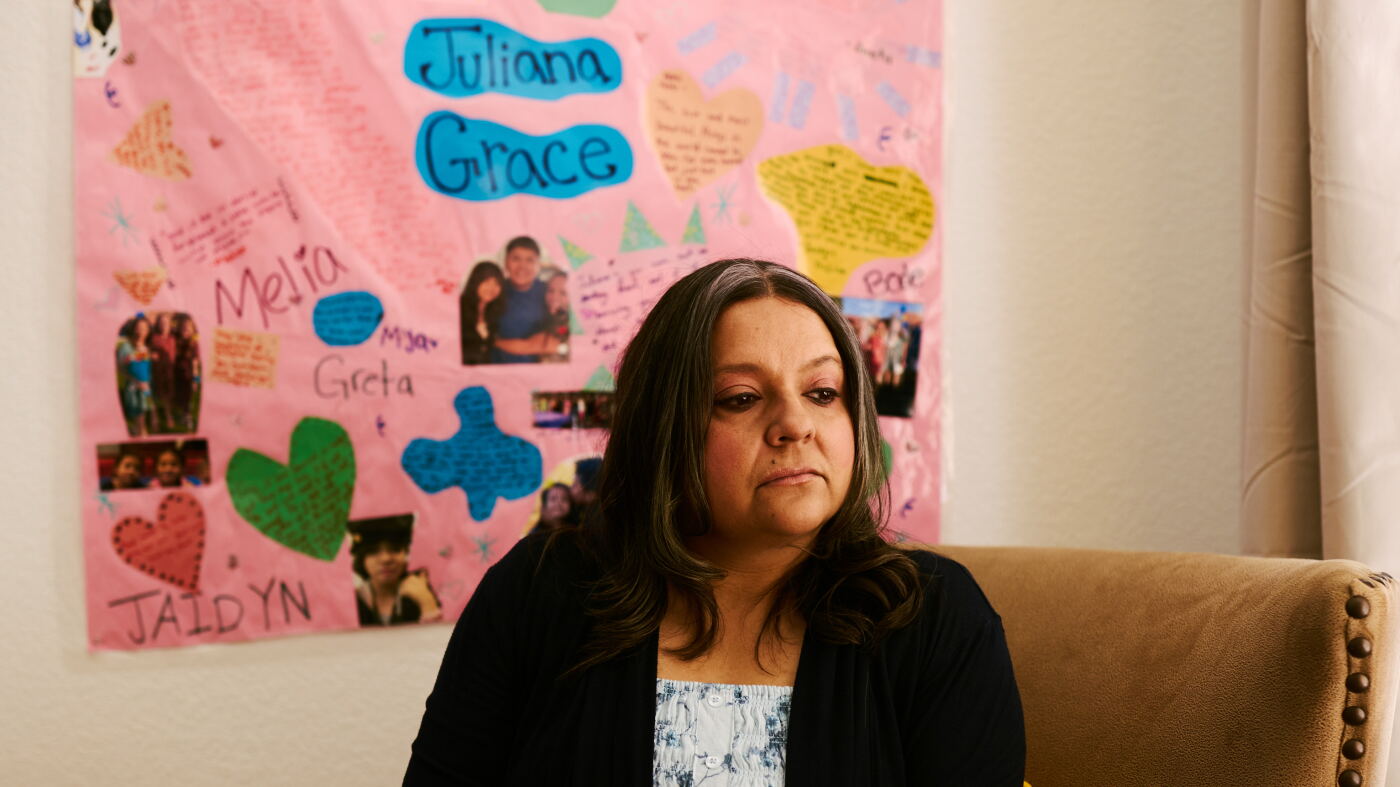
The push for regulation follows multiple lawsuits alleging that AI chatbots have caused harm. In Colorado, Cynthia Montoya sued Character.AI after her 13-year-old daughter died by suicide in November 2023, following interactions where bots reportedly introduced sexual content. Other lawsuits include a California case involving a 16-year-old who died in 2025 and a Florida case involving a 36-year-old man who died in October 2025. In January 2026, Character.AI settled multiple lawsuits related to allegations of harming teenage users.

Colorado's House Bill 26-1263, known as the Chatbot Safety Act, was signed into law in May 2026. State Rep. Sean Camacho (D-CO), a sponsor of the bill, stated that the legislation was drafted with input from stakeholders, including Google and the nonprofit Healthier Colorado. While Camacho said the bill is a necessary first step, Montoya and legal advocates argue that its 12 categories of exemptions—which include chatbots housed in search engines or used for research—allow popular products to avoid the regulations.

The scale of this legislative trend covers at least 10 states that introduced bills with nearly identical language this year. In Hawaii, Rep. Trish La Chica (D-HI) reported that Google lobbyists provided a framework for a chatbot bill early in the 2026 session. While Hawaii later modified its bill to remove some exemptions, other states like Idaho, Georgia, Iowa, and Washington enacted versions that include various carve-outs. For a typical user, these laws might not result in visible changes to chatbot behavior or safety filters if the specific product they use falls under a legislative exemption.

What happens next depends on how these laws are implemented and whether they survive legal challenges. In Arizona, Gov. Katie Hobbs vetoed a similar bill in June 2026, stating it protected tech companies more than children. In states where these bills have passed, such as Colorado, the laws set a precedent for state-level AI oversight in the absence of federal regulation. Advocacy groups say they will continue to push for stronger language in future legislative sessions, while tech companies like Google state they will continue to collaborate with lawmakers to promote "safe, reliable, and beneficial AI tools" without stifling innovation.

Timeline of what happened

Key dates and decisions, in the order they occurred.

  1. November 2023

    Death of Juliana Montoya reported

  2. 2024

    Death of Sewell Setzer III reported

  3. 2025

    California passes chatbot bill SB 243

  4. October 2025

    Death of Jonathan Gavalas reported

  5. January 2026

    Character.AI settles multiple lawsuits over teen safety allegations

  6. February 2026

    Colorado HB 26-1263 introduced in the House

  7. March 2026

    Lawsuit filed against Google regarding Gemini chatbot interactions

  8. May 2026

    Colorado Governor signs Chatbot Safety Act into law

  9. June 1, 2026

    Arizona Governor vetoes state chatbot bill

  10. June 1, 2026

    White House issues executive order on AI innovation and regulation

Summaries are written by The Plain Record to state the facts of a story plainly and without political slant. Drafted with AI assistance and checked against the source record before publication. See how we report, or report a correction.

← Back to the front page

Questions readers ask

What happened: State AI Chatbot Safety Laws Include Exemptions for Major Tech Companies?

Several U.S. states have introduced or enacted legislation intended to regulate artificial intelligence (AI) chatbots following reports of mental health issues and suicides involving minors. However, policy analysts, legal experts, and families of victims state that these bills often contain industry-drafted language that exempts major tech companies from the new safety requirements.

Who is involved?

Google, state lawmakers (including Rep. Sean Camacho and Rep. Trish La Chica), and families of chatbot users.

When did this happen?

2026

Where did this happen?

Colorado, Hawaii, Arizona, and other U.S. states.

Why does this matter?

To report on the influence of tech companies in drafting the laws intended to regulate them and the resulting exemptions for major AI products.