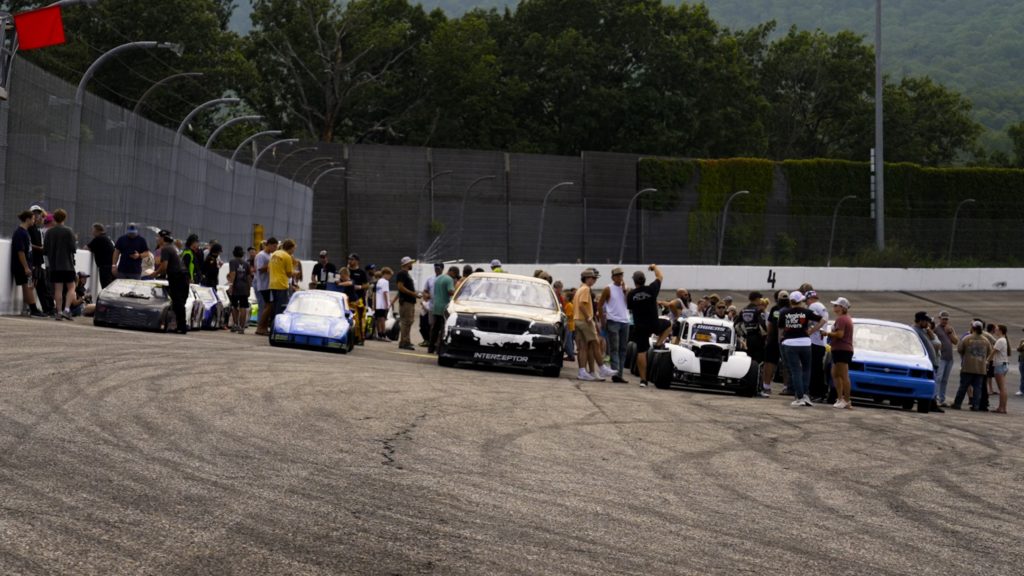
State legislatures across the United States are considering "right-to-race" laws intended to shield local racetracks from noise and nuisance lawsuits filed by nearby property owners. These legislative efforts come as small racing venues face increasing pressure from residential development moving closer to established facilities. Supporters of the measures argue they are necessary to protect the economic and social contributions these tracks provide to rural and small-town communities.
The Specialty Equipment Market Association (SEMA), a nonprofit representing the automobile aftermarket and racing industry, reports a decline in the number of U.S. motorsports facilities. Over the last 25 years, the number of tracks has decreased by nearly 25%, dropping from approximately 2,000 to 1,500. Joshua Vadeboncoeur, who studies the racing industry at Gardner-Webb University, noted that as neighborhoods expand toward tracks, legal fees from nuisance claims can be financially damaging to venues already operating on narrow profit margins.
Four states—Iowa, Kansas, North Carolina, and South Carolina—have already enacted right-to-race laws. These statutes generally protect existing tracks from legal action regarding noise or other nuisances if the track preceded the neighboring property owner's arrival. Similar legislation has been introduced or has advanced in 12 other states. In Virginia, where no such law exists, Shenandoah Speedway promoter Chris Lilly stated that the facility faces potential risk if adjacent farmland is sold for large-scale housing developments.
For the participants, including young drivers like 14-year-old Jack Owens, the scale of impact involves the loss of accessible training grounds. Drivers and their families, who often view racing as a central social community, would be forced to travel hours to the next nearest facility if a local track closes. Vadeboncoeur noted that while the economic loss to a town is measurable in dollars, the cultural loss of a gathering place is harder to quantify but felt by the entire local racing population. Furthermore, rising land values mean that even without lawsuits, many track owners face pressure to sell to developers who can offer more than the property's value as a racing venue.
The precedent set by these laws shifts the legal burden in property disputes, favoring established commercial noise-producers over newer residential arrivals. This creates a specific legal environment where "coming to the nuisance" serves as a defense for the industry. What happens next depends on the 12 states where similar bills are currently pending. If passed, these measures would provide long-term operational certainty for track managers like John Allen in Kansas, who stated that such protections provide optimism for the future of his facilities. In states without these laws, tracks remain vulnerable to litigation and potential closure as development continues.